Kirjailija
Hervé Guibert
Kirjat ja teokset yhdessä paikassa: 20 kirjaa, julkaisuja vuosilta 1993-2026, suosituimpien joukossa Verrückt nach Vincent & Reise nach Marokko. Vertaile teosten hintoja ja tarkista saatavuus suomalaisista kirjakaupoista.
Mukana myös kirjoitusasut: Herve Guibert
20 kirjaa
Kirjojen julkaisuhaarukka 1993-2026.
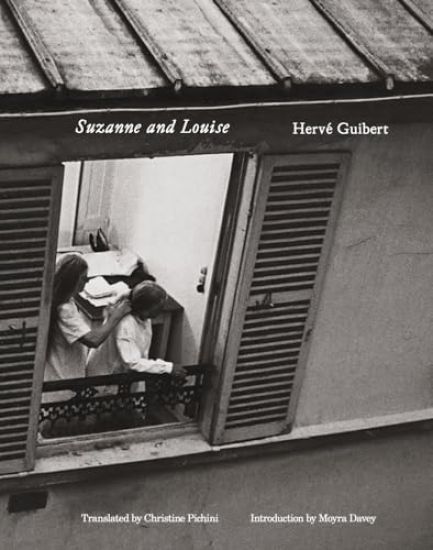
Guibert’s photo novel exploring the reclusive lives of his great-aunts, published in English for the first time The protagonists of Suzanne and Louise, the second book by French writer and photographer Hervé Guibert, are his elderly great-aunts, who lived alone in a large townhouse in Paris’ 15th arrondissement. The older sister controlled the finances while the younger, a former nun, did the housekeeping. During a series of weekly visits from their grandnephew, these reclusive women offered up their home and their bodies to his camera. The resulting images would grow into Guibert’s first and only photo novel, a provocative exploration of fantasy, mortality and desire. Originally published in France in 1980, and highly sought after by fans of Guibert, Suzanne and Louise is reissued here for the first time in a full English translation by Christine Pichini, a new introduction by artist and writer Moyra Davey and an account of the book’s origins by Thomas Simmonet—director of the Parisian publishing house Les Éditions de Minuit—complete with testimonials, documentation, unpublished photographs and contact sheets. Hervé Guibert (1955–91) was the author of 25 books and published extensive texts and criticism on photography, primarily with the French newspaper Le Monde. His bestselling novel To the Friend Who Did Not Save My Life (1990) was inspired by his close friend Michel Foucault and the two men’s experiences living with AIDS, which tragically ended Guibert’s life at the age of 36.
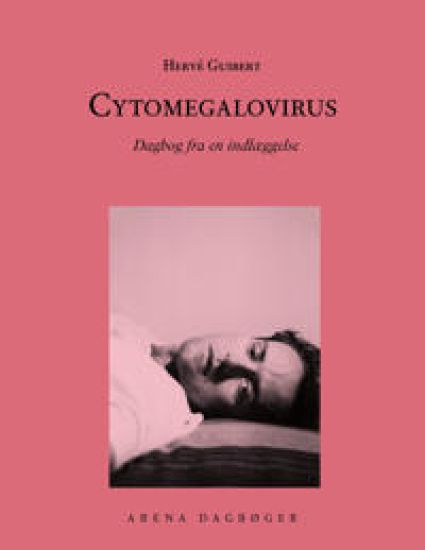
Cytomegalovirus er den franske fotograf og forfatter Hervé Guiberts bidende og forpinte dagbog fra en indlæggelse på et parisisk hospital i 1991. På et tidspunkt, hvor han er ved at miste synet og bliver bevidst om sin forestående død, bliver dagbogen et stærkt vidnesbyrd om, hvordan hverdagen med en terminal sygdom opleves med al dens smerte, frygt og øjeblikke af fryd og klarsyn. Hvordan opretholder man sin værdighed, når kroppen sætter ud? Guibert insisterer på at være mere end patient i mødet med de forskellige plejere og nægter at gå til operationsstuen i hospitalets kittel. Cytomegalovirus er et vigtigt dokument fra aids-epidemiens historie og en rørende og original læseoplevelse. Hervé Guibert (1955-1991) var fotograf, journalist og forfatter. Han var hiv-smittet og døde som 36-årig efter et selvmordsforsøg. Han efterlod sig mere end tredive værker. På dansk er tidligere udkommet Til den ven der ikke reddede mit liv (1993) og Vild med Vincent (2023). Bogen har efterord af C.Y. Frostholm.
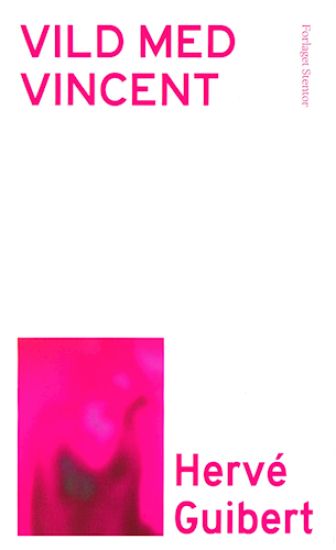
En novembernat falder Vincent, beruset og skæv, ud fra tredje sal. Han rejser sig op, sætter sig ind i sin bil og kører hjem. Om morgenen forsøger hans mor at ruske liv i ham, og få dage senere dør han i en hospitalsseng. Her starter ›Vild med Vincent‹, en autofiktiv dagbog af den franske forfatter og fotograf Hervé Guibert – og et gravskrift for den enigmatiske Vincent, der invaderede hans dagbøger, oplivede hans tilværelse og fornedrede ham i de seks år, de kendte hinanden.Politiken: “Et lille mesterværk,” fem hjerter. Anbefalet i Weekendavisen, Føljeton og POV med flere.Det er en bog om monomant begær; efter hans død går fortælleren baglæns gennem sine personlige noter for at genfinde Vincent og for at udrede sin fatale besættelse af ham – som aids-syg misbruger, dernæst som teenageren, han først forelskede sig i. Resultatet er en ustadig og uregerlig tekst, lige dele desperat eksperiment og sørgmodig elegi.Hervé Guibert er bedst kendt for de bøger, han skrev om sin egen aids-sygdom og udgav kort før sin død i 1991. I de seneste år har forfatterens bøger nydt en genopblomstring i en række engelsksprogede oversættelser, men det er første gang siden 1993, at han udkommer på dansk.Weekendavisen: ”En type tekst, der får sin særlige alvor og aura fra en blanding af det nøgterne og det melodramatiske.”Føljeton: ”Ubærligt smukke beskrivelser af kærlighed.”POV: ”Vild med Vincent er vidunderligt sorgfuld, og grim i sin sult.”

A madcap tale of sadistic power-play by one of the 20th century’s most beloved French gay writers.My Manservant and Me is a story about the trials and tribulations of having a live-in valet. Written from the uneasy perspective of an aging, incontinent author of extremely successful middlebrow plays, we learn about his manservant, a young film actor who is easily moved to both delicate gestures and terrible tantrums; who's been authorized to handle his master’s finances, who orders stock buys, dictates his master’s wardrobe, sleeps in his master's bed, and yet won’t let him watch variety television. My Manservant and Me reveals the rude specificities of this relationship with provocative humor and stylistic abjection. This manservant won't be going anywhere.
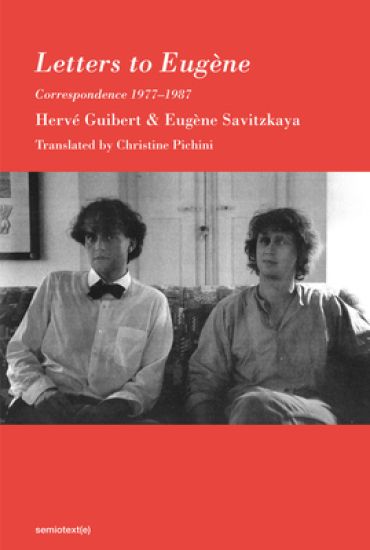
Herv Guibert's incandescent correspondence with Belgian poet Eug ne Savitzkaya. In 1977, Herv Guibert discovered the first novel written by Eug ne Savitzkaya, Mentir, and sent him his La mort propagande, which had just been published. In the following years, they exchanged the books they had written, read each other, appreciated each other. They saw each other rarely, however: one lived in Li ge, the other Paris. A turning point occurred in 1982, when Herv published Lettre un fr re d' criture, in which he declared to Eug ne, I love you through your writing. The tone had changed; Herv , obsessed with his correspondent, wrote him increasingly incandescent letters. 1984 would, however, see the sudden extinguishing of that passion. A deep friendship replaced it, which found itself with new areas to explore: the adventure of publishing L'Autre Journal and at the Villa Medicis, where they were both fellows. These nearly eighty letters, exchanged between 1977 and 1987, form a correspondence that is all the more unique for being the only one whose publication was authorized by Guibert. An intersection of life and writing, self and other, reality and fiction, their release is a renewal of Guibert's oeuvre.
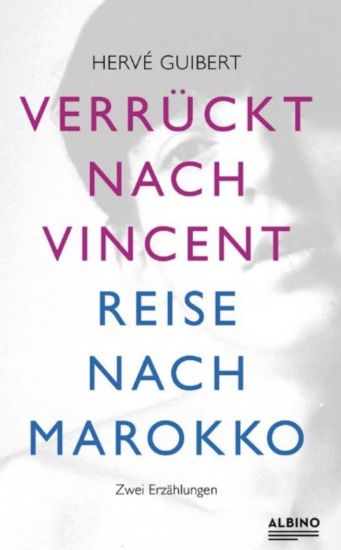

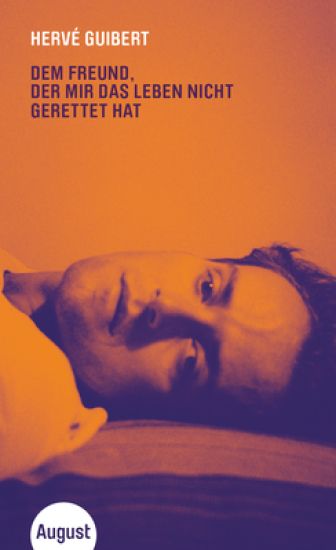
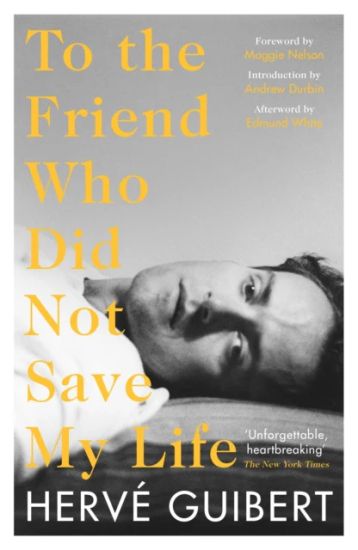
With a foreword by Maggie Nelson, an introduction from Frieze editor Andrew Durbin and afterword from Edmund White 'Unforgettable, heartbreaking' New York Times 'Brilliant' - Dazed 'As brutal as it is elegant' - Neil Bartlett 'Electrifying' - Colm Tóibín 'Dazzling' - Katherine Angel After being diagnosed with AIDS, Hervé Guibert wrote this devastating, darkly humorous and personal novel, chronicling three months in the penultimate year of the narrator's life. In the wake of his friend Muzil's death, he goes from one quack doctor to another, from holidays to test centres, and charts the highs and lows of trying to cheat death. On publication in 1990, the novel scandalized French media, which quickly identified Muzil as Guibert's close friend Michel Foucault. The book became a bestseller, and Guibert a celebrity. The book has since attained a cult following for its tender, fragmented and beautifully written accounts of illness, friendship, sex, art and everyday life. It catapulted Guibert into notoriety and sealed his reputation as a writer of shocking precision and power.
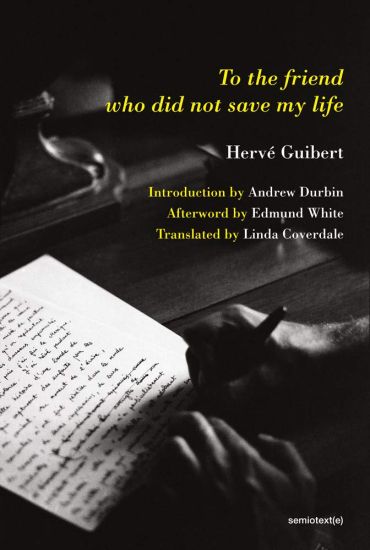
A novel that describes, with devastating, darkly comic clarity, its narrator's experience of being diagnosed with AIDS.First published by Gallimard in 1990, To the Friend Who Did Not Save My Life describes, with devastating, darkly comic clarity, its narrator's experience of being diagnosed with AIDS. Guibert chronicles three months in the penultimate year of the narrator's life as, in the wake of his friend Muzil's death, he goes from one quack doctor to another, describing the progression of the disease and recording the reactions of his many friends. The novel scandalized the French media, which quickly identified Muzil as Guibert's close friend Michel Foucault. To the Friend became a bestseller, and Guibert a celebrity. Guibert continued to document the daily experiences of his body in a series of novels and diaries, mostly published posthumously. To the Friend has since attained a cult following for its intimate and candid tone, its fragmented and slippery form. As Edmund White observed, “[Guibert's] very taste for the grotesque, this compulsion to offend, finally affords him the necessary rhetorical panache to convey the full, exhilarating horror of his predicament.” In his struggle to piece together a language suited to his suffering, Hervé Guibert catapulted himself into notoriety and sealed his reputation for uncompromising, transgressive prose.
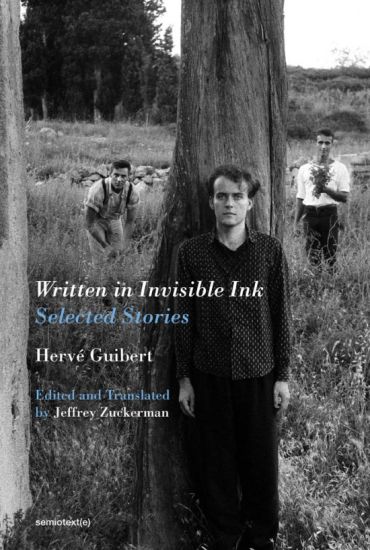
Stories that map the writer's artistic development, written with candor, detachment, and passion.Hervé Guibert published twenty-five books before dying of AIDS in 1991 at age 36. An originator of French "autofiction" of the 1990s, Guibert wrote with aggressive candor, detachment, and passion, mixing diary writing, memoir, and fiction. Best known for the series of books he wrote during the last years of his life, chronicling his coexistence with illness, he has been a powerful influence on many contemporary writers.Written in Invisible Ink maps the writer's artistic development, from his earliest texts—fragmented stories of queer desire—to the unnervingly photorealistic descriptions in Vice and the autobiographical sojourns of Singular Adventures. Propaganda Death, his harsh, visceral debut, is included in its entirety. The volume concludes with a series of short, jewel-like stories composed at the end of his life. These anarchic and lyrical pieces are translated into English for the first time by Jeffrey Zuckerman.From midnight encounters with strangers to tormented relationships with friends, from a blistering sequence written for Roland Barthes to a tender summoning of Michel Foucault upon his death, these texts lay bare Guibert's relentless obsessions in miniature.
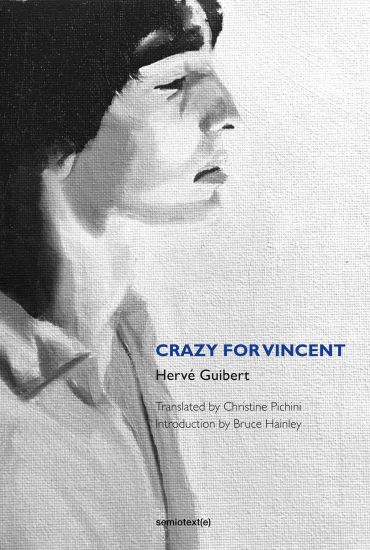
Diary, memoir, poem, fiction? Autopsy, crime scene, hagiography, hymn? The chronicle of an obsessive love.In the middle of the night between the 25th and 26th of November, Vincent fell from the third floor playing parachute with a bathrobe. He drank a liter of tequila, smoked Congolese grass, snorted cocaine...-from Crazy for VincentCrazy for Vincent begins with the death of the figure it fixates upon: Vincent, a skateboarding, drug-addled, delicate "monster" of a boy in whom the narrator finds a most sublime beauty. By turns tender and violent, Vincent drops in and out of French writer and photographer Herve Guibert's life over the span of six years (from 1982, when he first met Vincent as a fifteen-year-old teenager, to 1988). After Vincent's senseless death, the narrator embarks on a reconnaissance writing mission to retrieve the Vincent that had entered, elevated, and emotionally eviscerated his life, working chronologically backward from the death that opens the text. Assembling Vincent's fragmentary appearances in his journal, the author seeks to understand what Vincent's presence in his life had been: a passion? a love? an erotic obsession? or an authorial invention? A parallel inquiry could be made into the book that results: Is it diary, memoir, poem, fiction? Autopsy, crime scene, hagiography, hymn? Crazy for Vincent is a text the very nature of which is as untethered as desire itself.

Till vännen som inte ville rädda mitt liv
Hervé Guibert; Jenny Högström
Bokförlaget Atlas
2016
sidottu
I januari 1988 får författaren Hervé Guibert beskedet att han är hiv-positiv. Från den stunden blir skrivandet det enda som håller honom samman, en besvärjelse mot vanmakten. I hundra paniska stycken dokumenteras sjukdomens framfart: läkarbesöken, de sjunkande blodvärdena, dödsskräcken som blandas upp med både en dödslängtan och en förhöjd livskänsla. Det är en grym berättelse, behärskad och exakt, drypande av svart humor. Här finns de omtalade skildringarna av parisiska celebriteter främst filosofen Michel Foucault, som inte ville att någon skulle veta att han var döende i aids och som själv förnekade sjukdomen in i det sista men allra mest lämnar Guibert ut sig själv. Till vännen som inte ville rädda mitt liv väckte stor uppmärksamhet när den först utgavs i Frankrike 1990. Den räknas i dag som en av de centrala aidsskildringarna, men är även ett litterärt mästerverk i egen rätt. Hervé Guibert (19551991) författare och fotograf, levde större delen av sitt liv i Paris och Rom. Han debuterade 1977 med romanen La mort propagande och publicerade sedan ett tiotal böcker under 1980-talet. Anders Bodegårds svenska översättning av Till vännen som inte ville rädda mitt liv återutges här för första gången, med ett nyskrivet förord av författaren och översättaren Jenny Högström. På svenska finns även romanen Blinda i översättning av Jan Henrik Swahn (Legenda, 1989).
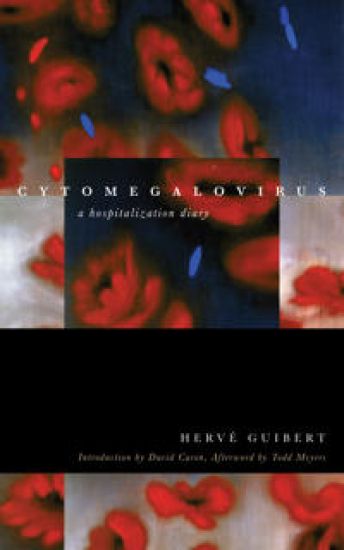
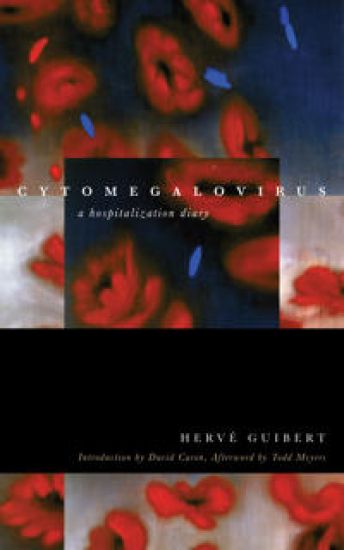
By the time of his death, Herve Guibert had become a singular literary voice on the impact of AIDS in France. He was prolific. His oeuvre contained some twenty novels, including To the Friend Who Did Not Save My Life and The Compassion Protocol. He was thirty-six years old. In Cytomegalovirus, Guibert offers an autobiographical narrative of the everyday moments of his hospitalization because of complications of AIDS. Cytomegalovirus is spare, biting, and anguished. Guibert writes through the minutiae of living and of death—as a quality of invention, of melancholy, of small victories in the face of greater threats—at the moment when his sight (and life) is eclipsed. This new edition includes an Introduction and Afterword contextualizing Guibert's work within the history of the AIDS pandemic, its relevance in the contemporary moment, and the importance of understanding the quotidian aspects of terminal illness.
By the time of his death, Herve Guibert had become a singular literary voice on the impact of AIDS in France. He was prolific. His oeuvre contained some twenty novels, including To the Friend Who Did Not Save My Life and The Compassion Protocol. He was thirty-six years old. In Cytomegalovirus, Guibert offers an autobiographical narrative of the everyday moments of his hospitalization because of complications of AIDS. Cytomegalovirus is spare, biting, and anguished. Guibert writes through the minutiae of living and of death—as a quality of invention, of melancholy, of small victories in the face of greater threats—at the moment when his sight (and life) is eclipsed. This new edition includes an Introduction and Afterword contextualizing Guibert's work within the history of the AIDS pandemic, its relevance in the contemporary moment, and the importance of understanding the quotidian aspects of terminal illness.
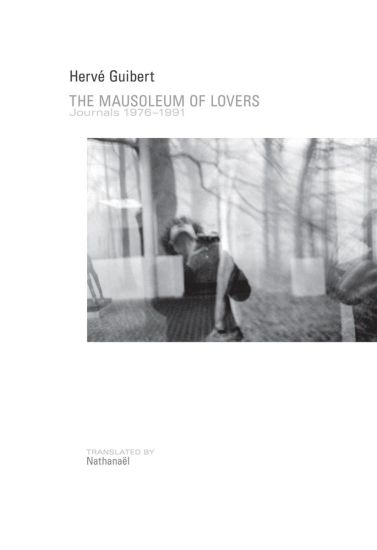
The Mausoleum of Lovers comprises Guibert's journals, kept from 1976-1991. Functioning as an atelier, it forecasts the writing of a novel, which does not materialize as such; the journal itself - a mausoleum of lovers - comes to take its place. The sensual exigencies and untempered forms of address in this epistolary work, often compared to Barthes' A Lover's Discourse, use the letter and the photograph in a work that hovers between forms, in anticipation of its own disintegration.
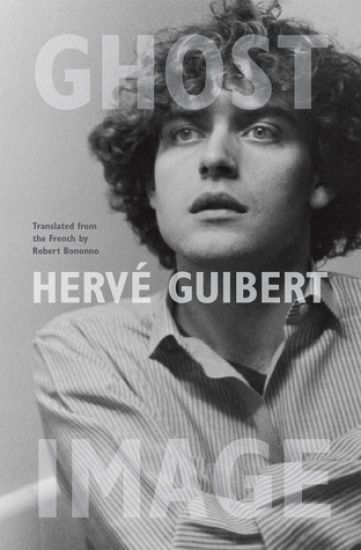
Ghost Image is made up of sixty-three short essays - meditations, memories, fantasies, and stories bordering on prose poems - and not a single image. Herve Guibert's brief, literary rumination on photography was written in response to Roland Barthes' Camera Lucida, but its deeply personal contents go far beyond that canonical text. Some essays talk of Guibert's parents and friends, some describe old family photographs and films, and spinning through them all are reflections on remembrance, narcissism, seduction, deception, death, and the phantom images that have been missed. Both a memoir and an exploration of the artistic process, Ghost Image not only reveals Guibert's particular experience as a gay artist captivated by the transience and physicality of his media and his life, but also his thoughts on the more technical aspects of his vocation. In one essay, Guibert searches through a cardboard box of family portraits for clues-answers, or even questions-about the lives of his parents and more distant relatives. Rifling through vacation snapshots and the autographed images of long-forgotten film stars, Guibert muses, "I don't even recognize the faces, except occasionally that of an aunt or great-aunt, or the thin, fair face of my mother as a young girl." In other essays, he explains how he composes his photographs, and how - in writing - he seeks to escape and correct the inherent limits of his technique, to preserve those images lost to his technical failings as a photographer. With strains of Jean Genet and recurring themes that speak to the work of contemporary artists across a range of media, Guibert's Ghost Image is a beautifully written, melancholic ode to existence and art forms both fleeting and powerful - a unique memoir at the nexus of family, memory, desire, and photography.
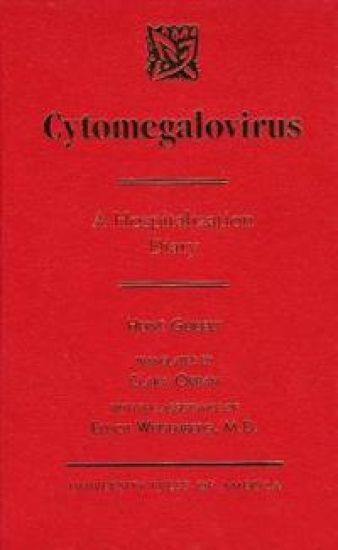
"Cytomegalovirus" presents Guibert's observations during three weeks in hospital, where he confronts his fears about AIDS and the cytomegalovirus which threatens him with blindness. Throughout the ordeal, he clings to his human dignity, refusing to be treated as an object of study or of compassion.