Kirjojen hintavertailu. Mukana 12 595 353 kirjaa ja 12 kauppaa.

Kirjailija

Hilde Hein

Kirjat ja teokset yhdessä paikassa: 2 kirjaa, julkaisuja vuodelta 2006, suosituimpien joukossa Public Art. Vertaile teosten hintoja ja tarkista saatavuus suomalaisista kirjakaupoista.

2 kirjaa

Public Art

Public Art

Hilde Hein

AltaMira Press,U.S.
2006
sidottu
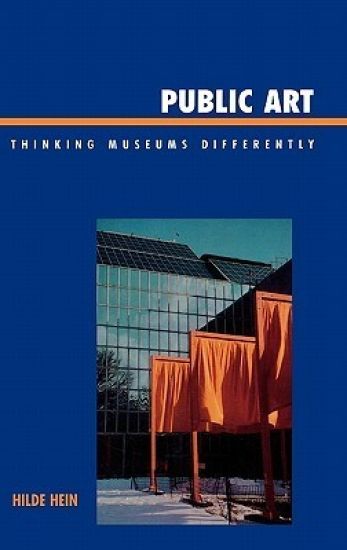
Public Art acknowledges the trend among contemporary museums to promote participatory and processual exhibition strategies meant to elicit subjective experience. At the same time it valorizes the object-oriented tradition that has long differentiated museums from other institutions similarly committed to public service and the perpetuation of cultural values. To blend and expand these aims, Hein draws upon a movement toward ephemerality and impermanence in public art. She proposes a new dynamic for the museum that is temporal and pluralistic, while retaining a grounding in material things. The museum is an agent, not a repository; and like public art, it interacts constructively with passing and transitory publics. As an actor with social clout, the museum has moral impact and responsibilities beyond those of the individuals that comprise its collective identity. The book should be read by museum workers and students, by arts and foundation administrators, critics, educators, aestheticians, institutional historians and theorists, and by anyone interested in the transmission of cultural concepts and values.
Public Art

Public Art

Hilde Hein

AltaMira Press,U.S.
2006
nidottu
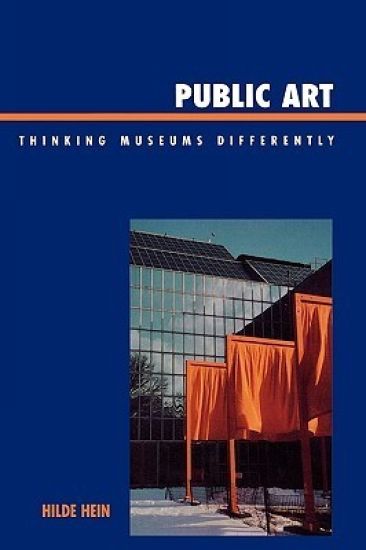
Public Art acknowledges the trend among contemporary museums to promote participatory and processual exhibition strategies meant to elicit subjective experience. At the same time it valorizes the object-oriented tradition that has long differentiated museums from other institutions similarly committed to public service and the perpetuation of cultural values. To blend and expand these aims, Hein draws upon a movement toward ephemerality and impermanence in public art. She proposes a new dynamic for the museum that is temporal and pluralistic, while retaining a grounding in material things. The museum is an agent, not a repository; and like public art, it interacts constructively with passing and transitory publics. As an actor with social clout, the museum has moral impact and responsibilities beyond those of the individuals that comprise its collective identity. The book should be read by museum workers and students, by arts and foundation administrators, critics, educators, aestheticians, institutional historians and theorists, and by anyone interested in the transmission of cultural concepts and values.