
Kirjojen hintavertailu. Mukana 12 390 323 kirjaa ja 12 kauppaa.

Kirjailija

Hillary Parkhouse

Kirjat ja teokset yhdessä paikassa: 3 kirjaa, julkaisuja vuosilta 2019-2026, suosituimpien joukossa Foundations of Education. Vertaile teosten hintoja ja tarkista saatavuus suomalaisista kirjakaupoista.

3 kirjaa

Kirjojen julkaisuhaarukka 2019-2026.

Foundations of Education

Foundations of Education

Maike Ingrid Philipsen; Hillary Parkhouse

BLOOMSBURY PUBLISHING PLC
2026
nidottu
Foundations of Education introduces the major topics and debates in contemporary American education, including teaching as a profession, school governance, social class, gender, and disabilities. The 2nd edition includes two new chapters on race and ethnicity, and immigration and language, and each of the other chapters have been thoroughly updated to respond to the latest research and events. The book introduces ways that pre-and in-service teachers can address these topics using a foundations approach, that is, to look at the problems from historical, philosophical, and sociological perspectives and bringing together relevant findings from those disciplines to analyze and illuminate educational issues. The book includes exercises, discussion questions, international case studies for comparative purposes, and is supported by a companion website with additional reading suggestions, links to relevant websites, videos, and podcasts. This is a text that responds to current developments, changes, and trends in teacher education and society more broadly, from discussion of climate change, to culturally responsive pedagogy to critical race theory. Foundations of Education will prepare a new generation of educators for a globalized and technology-driven society that needs to be aware of its best educational traditions, its current problems and its future possibilities.

Foundations of Education

Foundations of Education

Maike Ingrid Philipsen; Hillary Parkhouse

BLOOMSBURY PUBLISHING PLC
2026
sidottu
Foundations of Education introduces the major topics and debates in contemporary American education, including teaching as a profession, school governance, social class, gender, and disabilities. The 2nd edition includes two new chapters on race and ethnicity, and immigration and language, and each of the other chapters have been thoroughly updated to respond to the latest research and events. The book introduces ways that pre-and in-service teachers can address these topics using a foundations approach, that is, to look at the problems from historical, philosophical, and sociological perspectives and bringing together relevant findings from those disciplines to analyze and illuminate educational issues. The book includes exercises, discussion questions, international case studies for comparative purposes, and is supported by a companion website with additional reading suggestions, links to relevant websites, videos, and podcasts. This is a text that responds to current developments, changes, and trends in teacher education and society more broadly, from discussion of climate change, to culturally responsive pedagogy to critical race theory. Foundations of Education will prepare a new generation of educators for a globalized and technology-driven society that needs to be aware of its best educational traditions, its current problems and its future possibilities.
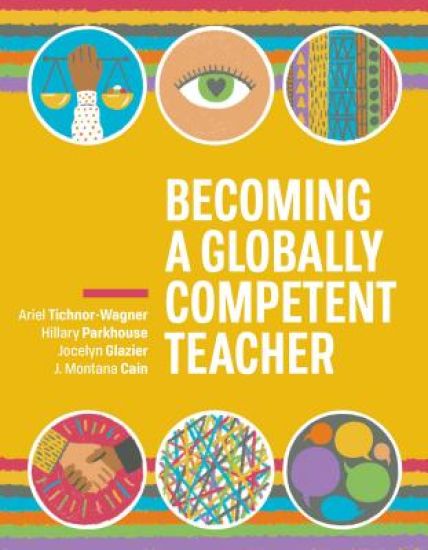
Becoming a Globally Competent Teacher

Becoming a Globally Competent Teacher

Ariel Tichnor-Wagner; Hillary Parkhouse; Jocelyn Glazier; J. Montana Cain

Association for Supervision Curriculum Development
2019
nidottu
Teachers today must prepare students for an increasingly complex, interconnected, and interdependent world. Being a globally competent teacher requires embracing a mindset that translates personal global competence into professional classroom practice. It is a vision of equitable teaching and learning that enables students to thrive in an ever-changing world.This thought-provoking book introduces a proven self-reflection tool to help educators of all grade levels and content areas develop 12 elements of such teaching. The book is divided into three sections: dispositions, knowledge, and skills. Each chapter is devoted to an element of globally competent teaching and includes a description of that element, tips for implementation delineated by developmental levels, and links to additional resources for continuing the journey. Examples of globally competent teaching practices include:Empathy and valuing multiple perspectives.A commitment to promoting equity worldwide.An understanding of global conditions and current events.The ability to engage in intercultural communication.A classroom environment that values diversity and global engagement.Throughout, you'll also find examples of these practices at work from real teachers in real schools. No matter what your experience with global teaching, the information in this book will help you further develop your practice as a global educator—a teacher who prepares students not only for academic success but also for a life in which they are active participants in their own communities and the wider world.