Kirjojen hintavertailu. Mukana 12 390 323 kirjaa ja 12 kauppaa.
Kirjailija
Hoda Elsadda
Kirjat ja teokset yhdessä paikassa: 5 kirjaa, julkaisuja vuosilta 2012-2026, suosituimpien joukossa Gender, Nation, and the Arabic Novel. Vertaile teosten hintoja ja tarkista saatavuus suomalaisista kirjakaupoista.
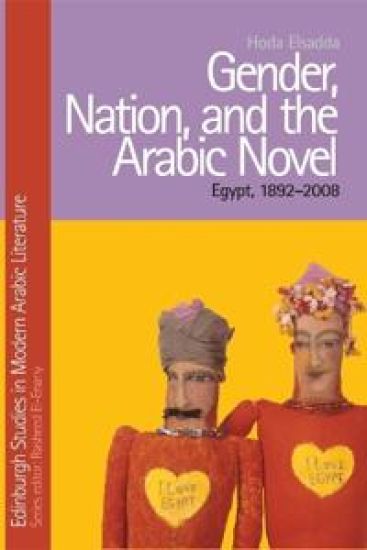
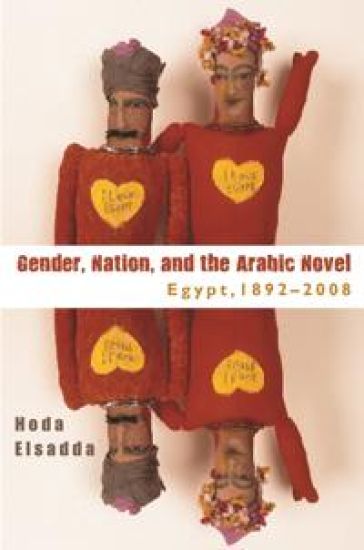
Gender studies in Arabic literature has become equated with women's writing, leaving aside the possibility of a radical rethinking of the Arabic literary canon and Arab cultural history. While the 'woman question' in the Arabic novel has received considerable attention, the 'male question' has gone largely unnoticed. Now, Hoda Elsadda bucks that trend to give us a nuanced understanding of literary imaginings of masculinity and femininity in the Egyptian novel. Foregrounding voices that have been marginalised alongside canonical works, she engages with new directions in the novel tradition.
A collection of original short plays that focus on sexual harassment and assault in Egypt, by debut Egyptian playwrightsThese five original short plays, written by Egyptian students from the American University in Cairo in collaboration with Jillian Campana and Dina Amin, mark the first published plays in Egypt that deal directly with sexual harassment. Sexual crimes are not limited to the workplace or the street—they happen everywhere, from the bedroom to the café, in shops, on modes of transportation, and in businesses, homes, outdoor areas, and educational and religious institutions. They can be perpetrated by a stranger, acquaintance, friend, family member, or loved one and they can encompass many different types of sexual violence, including verbal, non-verbal, physical, or visual violence. This collection breaks social taboos by offering dramatic texts that reflect the reality of survivors of sexual harassment from multiple perspectives—families and couples, bystanders, victims and perpetrators, men and women. Many of the women portrayed in these plays are independent, educated, and well to do, but they are all subjected to varying degrees of sexual harassment and violence. Accompanied with narrative commentary that places the events in context, these plays and the issues they explore seek to challenge dominant perceptions about sexual harassment in the region and to shine light on the power imbalances and disparities that give rise to it. They will be of interest to artists, social science researchers, educators, and anyone interested in the issue of sexual harassment, and collaborative theater processes.Playwrights: Yehia Abdelghan, Marwan Abdelmoneim, Nour El Captan, Passant Faheem, Nour Ibrahim, Noran Morsi, and Omar OmarThe research on which this book is based was awarded the Times Higher Education 2023 MENA Award for Research Project of the Year: Arts, Humanities and Social Sciences. Performances of these plays are royalty free.
A collection of original short plays that focus on sexual harassment and assault in Egypt, by debut Egyptian playwrightsThese five original short plays, written by Egyptian students from the American University in Cairo in collaboration with Jillian Campana and Dina Amin, mark the first published plays in Egypt that deal directly with sexual harassment. Sexual crimes are not limited to the workplace or the street—they happen everywhere, from the bedroom to the café, in shops, on modes of transportation, and in businesses, homes, outdoor areas, and educational and religious institutions. They can be perpetrated by a stranger, acquaintance, friend, family member, or loved one and they can encompass many different types of sexual violence, including verbal, non-verbal, physical, or visual violence. This collection breaks social taboos by offering dramatic texts that reflect the reality of survivors of sexual harassment from multiple perspectives—families and couples, bystanders, victims and perpetrators, men and women. Many of the women portrayed in these plays are independent, educated, and well to do, but they are all subjected to varying degrees of sexual harassment and violence. Accompanied with narrative commentary that places the events in context, these plays and the issues they explore seek to challenge dominant perceptions about sexual harassment in the region and to shine light on the power imbalances and disparities that give rise to it. They will be of interest to artists, social science researchers, educators, and anyone interested in the issue of sexual harassment, and collaborative theater processes.Playwrights: Yehia Abdelghan, Marwan Abdelmoneim, Nour El Captan, Passant Faheem, Nour Ibrahim, Noran Morsi, and Omar OmarThe research on which this book is based was awarded the Times Higher Education 2023 MENA Award for Research Project of the Year: Arts, Humanities and Social Sciences. Performances of these plays are royalty free.
A nuanced understanding of literary imaginings of masculinity and femininity in the Arabic novel. While the 'woman question' in the Arabic novel has received considerable attention, the 'male question' has gone largely unnoticed. Gender studies in Arabic literature has become equated with women's writing, leaving aside the possibility of a radical rethinking of the Arabic literary canon and Arab cultural history. This book bucks that trend, offering a nuanced understanding of literary imaginings of masculinity and femininity in the context of the 'national' canon of Egypt. Foregrounding voices that have been marginalised, but also considering canonical works, it engages with new directions in the novel tradition and sheds new light on key debates including the project of nation-building in the modern period; the process of inclusion and exclusion in canon formation; the geopolitics of definitions of national or cultural identity in the global world; and the conceptual discourses on gender and nation. Key Features: *Interrogates the canon of modern Arabic literature * Sheds light on literary voices, both male and female, that have been marginalized in Egyptian national literary history *Contributes to current scholarship on gender and nation in postcolonial contexts *Intervenes in current debates on the meaning of national identity in a global context.
From the end of the nineteenth century and into the twenty-first, Arabic novels and Egyptian fiction have experienced a rebirth as the literary landscape has become more diverse and inclusive. Writing has moved beyond the established themes in the national canon to engage with neocolonial discourses in the globalised world. In Gender, Nation, and the Arabic Novel, Elsadda revisits the modern Arab literary tradition from a gender lens, questioning the process of inclusion and exclusion. In doing so, she recovers literary voices that have been marginalised because they did not fit into the ideological blueprint of the cultural elite. Exploring the literary narratives of prominent authors such as Naguib Mahfouz, Latifa al-Zayyat, and Mohammed Hussein Haikal, Elsadda interrogates the representations of femininity and masculinity in modern Arabic fiction. With a New Woman figure in Arabic literature, she distinguishes between those who support or critique modernist nation building; she also looks at the construction of the New Man and the texts that feature men who represent desirable and undesirable characteristics for the modern nation. By creating a dialogue with a broad range of novels, literary criticism, and social commentaries of men and women, Elsadda’s analysis of literary masculinities goes beyond the limitations of Arabic novels and can be applied to all third world literary works that have been described as national allegories.