Kirjojen hintavertailu. Mukana 12 390 323 kirjaa ja 12 kauppaa.

Kirjailija

Hossein Esmaeili

Kirjat ja teokset yhdessä paikassa: 7 kirjaa, julkaisuja vuosilta 2001-2020, suosituimpien joukossa Modern Perspectives on Islamic Law. Vertaile teosten hintoja ja tarkista saatavuus suomalaisista kirjakaupoista.

7 kirjaa

Kirjojen julkaisuhaarukka 2001-2020.

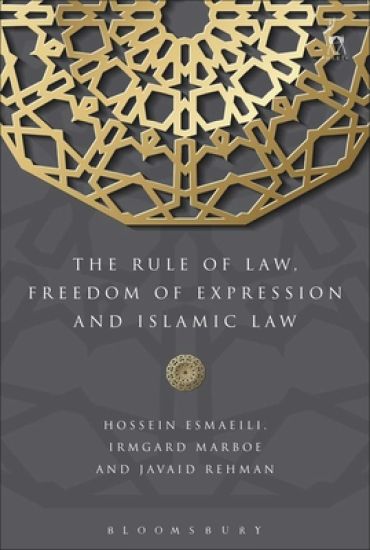
The Rule of Law, Freedom of Expression and Islamic Law

The Rule of Law, Freedom of Expression and Islamic Law

Hossein Esmaeili; Irmgard Marboe; Javaid Rehman

Hart Publishing
2020
nidottu
The importance of the rule of law is universally recognised and of fundamental value for most societies. Establishing and promoting the rule of law in the Muslim world, particularly in the Middle East, North Africa, and Central Asia, has become a pressing but complicated issue. These states have Muslim majority populations, and the religion of Islam has an important role in the traditional structures of their societies. While the Muslim world is taking gradual steps towards the establishment of rule of law systems, most Muslim majority countries may not yet have effective legal systems with independent judiciaries, which would allow the state and institutions to be controlled by an effective rule of law system. One important aspect of the rule of law is freedom of expression. Given the sensitivity of Muslim societies in relation to their sacred beliefs, freedom of expression, as an international human rights issue, has raised some controversial cases. This book, drawing on both International and Islamic Law, explores the rule of law, and freedom of expression and its practical application in the Muslim world.
The Rule of Law, Freedom of Expression and Islamic Law

The Rule of Law, Freedom of Expression and Islamic Law

Hossein Esmaeili; Irmgard Marboe; Javaid Rehman

Hart Publishing
2017
sidottu
The importance of the rule of law is universally recognised and of fundamental value for most societies. Establishing and promoting the rule of law in the Muslim world, particularly in the Middle East, North Africa, and Central Asia, has become a pressing but complicated issue. These states have Muslim majority populations, and the religion of Islam has an important role in the traditional structures of their societies. While the Muslim world is taking gradual steps towards the establishment of rule of law systems, most Muslim majority countries may not yet have effective legal systems with independent judiciaries, which would allow the state and institutions to be controlled by an effective rule of law system. One important aspect of the rule of law is freedom of expression. Given the sensitivity of Muslim societies in relation to their sacred beliefs, freedom of expression, as an international human rights issue, has raised some controversial cases. This book, drawing on both International and Islamic Law, explores the rule of law, and freedom of expression and its practical application in the Muslim world.
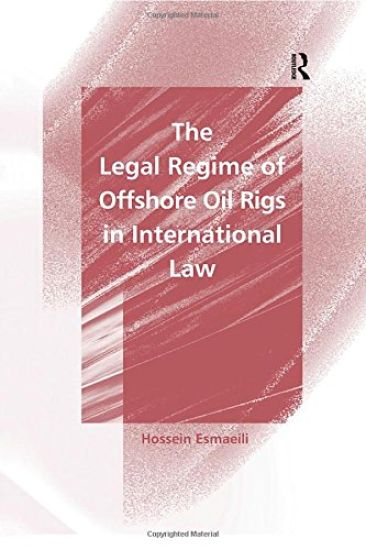
The Legal Regime of Offshore Oil Rigs in International Law
This book reviews and examines the relevant portions of all international treaties, cases and the national law and practice of states, in relation to international aspects of offshore oil rigs. By doing so, it offers an understanding of the legal regime surrounding oil rigs and formulates an international law framework. It investigates the issues under consideration by analyzing provisions of international law pertaining to all aspects of oil rigs, as well as international treaties and their travaux preparatoires. It also examines the national legislation of major offshore oil and gas producers and defines a framework of customary international entities such as the OSPAR and the petroleum industries of certain major offshore oil producers. Based upon the book's findings, it is clear that in spite of their increasing importance, offshore oil installations are subject to fragmentary and vague legal rules under international law.
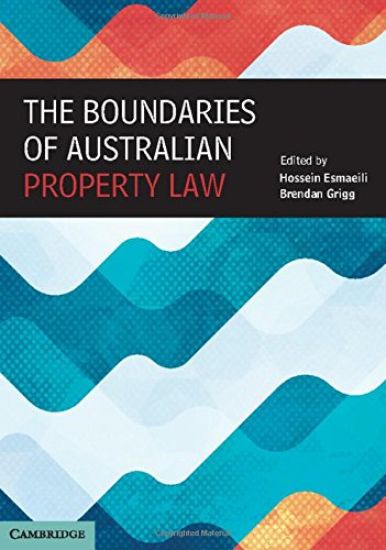
The Boundaries of Australian Property Law

The Boundaries of Australian Property Law

Hossein Esmaeili; Brendan Grigg

Cambridge University Press
2016
pokkari
The Boundaries of Australian Property Law offers a unique perspective on real property law in Australia. As the overwhelming majority of land interests in Australia now fall under the Torrens title system, this book's particular focus on the development and operation of the Torrens system in Australia is both timely and welcome. Addressing the prescribed Priestly 11 requirements for a property law subject in Australia, this informative and academically rigorous book includes carefully selected statutory material and case law from all Australian jurisdictions, as well as the United Kingdom. The general law system is also discussed and referred to where necessary, to give context and depth to the analysis of real property law. Written by prominent real property law academics from law schools around Australia, and edited by Hossein Esmaeili and Brendan Grigg, this text is a modern and much-needed addition to real property law literature.
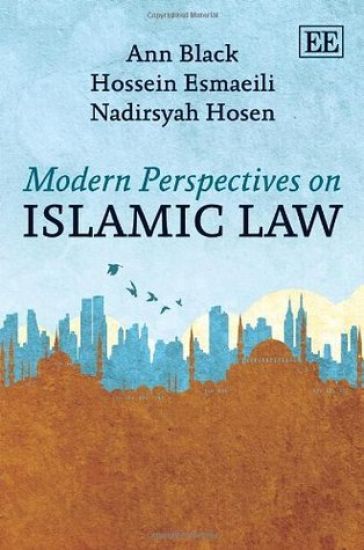
Modern Perspectives on Islamic Law

Modern Perspectives on Islamic Law

Ann Black; Hossein Esmaeili; Nadirsyah Hosen

Edward Elgar Publishing Ltd
2014
nidottu
This well-informed book explains, reflects on and analyzes Islamic law, not only in the classical legal tradition of Sharia, but also its modern, contemporary context.The book explores the role of Islamic law in secular Western nations and reflects on the legal system of Islam in its classical context as applied in its traditional homeland of the Middle East and also in South East Asia. Written by three leading scholars from three different backgrounds: a Muslim in the Sunni tradition, a Muslim in the Shia tradition, and a non-Muslim woman - the book is not only unique, but also enriched by differing insights into Islamic law.Sir William Blair provides the foreword to a book which acknowledges that Islam continues to play a vital role not just in the Middle East but across the wider world, the discussion on which the authors embark is a crucial one.The book starts with an analysis of the nature of Islamic law, its concepts, meaning and sources, as well as its development in different stages of Islamic history. This is followed by accounts of how Islamic law is being practised today. Key modern institutions are discussed, such as the parliament, judiciary, dar al-ifta, political parties, and other important organizations. It continues by analysing some key concepts in our modern times: nation-state, citizenship, ummah, dhimmah (recognition of the status of certain non-Muslims in Islamic states), and the rule of law. The book investigates how in recent times, more and more fatwas are issued collectively rather than emanating from an individual scholar. The authors then evaluate how Islamic law deals with family matters, economics, crime, property and alternative dispute resolution. Lastly, the book revisits certain contemporary issues of debate in Islamic law such as the burqa, halal food, riba (interest) and apostasy.Modern Perspectives on Islamic Law will become a standard scholarly text on Islamic law. Its wide-ranging coverage will appeal to researchers and students of Islamic law, or Islamic studies in general. Legal practitioners will also be interested in the comparative aspects of Islamic law presented in this book.Contents: Foreword by The Honorable Sir William Blair Preface Prologue 1. The Nature of Law, and its Relationship with Religion, in Islam 2. Islamic Law and Institutions 3. Seeing a Western Nation through Muslim Eyes: Citizenship and the Sharia in Modern Nation-states 4. Fatwa and Muftis 5. Islamic Family Law 6. Mediation, Arbitration and Islamic Alternative Dispute Resolution 7. Islamic Law and Economics 8. Property Rights, Inheritance Law and Trusts (waqf) 9. Islamic Criminal Law 10. Contemporary Debates On and Within Islam Epilogue Index
Modern Perspectives on Islamic Law

Modern Perspectives on Islamic Law

Ann Black; Hossein Esmaeili; Nadirsyah Hosen

Edward Elgar Publishing Ltd
2013
sidottu
This well-informed book explains, reflects on and analyzes Islamic law, not only in the classical legal tradition of Sharia, but also its modern, contemporary context.The book explores the role of Islamic law in secular Western nations and reflects on the legal system of Islam in its classical context as applied in its traditional homeland of the Middle East and also in South East Asia. Written by three leading scholars from three different backgrounds: a Muslim in the Sunni tradition, a Muslim in the Shia tradition, and a non-Muslim woman - the book is not only unique, but also enriched by differing insights into Islamic law.Sir William Blair provides the foreword to a book which acknowledges that Islam continues to play a vital role not just in the Middle East but across the wider world, the discussion on which the authors embark is a crucial one.The book starts with an analysis of the nature of Islamic law, its concepts, meaning and sources, as well as its development in different stages of Islamic history. This is followed by accounts of how Islamic law is being practised today. Key modern institutions are discussed, such as the parliament, judiciary, dar al-ifta, political parties, and other important organizations. It continues by analysing some key concepts in our modern times: nation-state, citizenship, ummah, dhimmah (recognition of the status of certain non-Muslims in Islamic states), and the rule of law. The book investigates how in recent times, more and more fatwas are issued collectively rather than emanating from an individual scholar. The authors then evaluate how Islamic law deals with family matters, economics, crime, property and alternative dispute resolution. Lastly, the book revisits certain contemporary issues of debate in Islamic law such as the burqa, halal food, riba (interest) and apostasy.Modern Perspectives on Islamic Law will become a standard scholarly text on Islamic law. Its wide-ranging coverage will appeal to researchers and students of Islamic law, or Islamic studies in general. Legal practitioners will also be interested in the comparative aspects of Islamic law presented in this book.Contents: Foreword by The Honorable Sir William Blair Preface Prologue 1. The Nature of Law, and its Relationship with Religion, in Islam 2. Islamic Law and Institutions 3. Seeing a Western Nation through Muslim Eyes: Citizenship and the Sharia in Modern Nation-states 4. Fatwa and Muftis 5. Islamic Family Law 6. Mediation, Arbitration and Islamic Alternative Dispute Resolution 7. Islamic Law and Economics 8. Property Rights, Inheritance Law and Trusts (waqf) 9. Islamic Criminal Law 10. Contemporary Debates On and Within Islam Epilogue Index
The Legal Regime of Offshore Oil Rigs in International Law

The Legal Regime of Offshore Oil Rigs in International Law

Hossein Esmaeili

Ashgate Publishing Limited
2001
sidottu
This book reviews and examines the relevant portions of all international treaties, cases and the national law and practice of states, in relation to international aspects of offshore oil rigs. By doing so, it offers an understanding of the legal regime surrounding oil rigs and formulates an international law framework. It investigates the issues under consideration by analyzing provisions of international law pertaining to all aspects of oil rigs, as well as international treaties and their travaux preparatoires. It also examines the national legislation of major offshore oil and gas producers and defines a framework of customary international entities such as the OSPAR and the petroleum industries of certain major offshore oil producers. Based upon the book's findings, it is clear that in spite of their increasing importance, offshore oil installations are subject to fragmentary and vague legal rules under international law.