Kirjojen hintavertailu. Mukana 12 390 323 kirjaa ja 12 kauppaa.
Kirjailija
Howard B. Kaplan
Kirjat ja teokset yhdessä paikassa: 8 kirjaa, julkaisuja vuosilta 1986-2014, suosituimpien joukossa Social Psychology of Self-Referent Behavior. Vertaile teosten hintoja ja tarkista saatavuus suomalaisista kirjakaupoista.
This volume is about understanding the relationship between deviance and selected correlates of deviance in one generation and deviance and its selected correlates in the next generation. By examining the significance of these constructs in the parental generation as part of the explanation for the same constructs in the child’s generation, we contribute to an und- standing of the phenomena. This contribution, however, is quite limited in the sense that we are examining in essence bivariate relationships—the association between first-generation and second-generation phenomena— while ignoring all of the other influences on the second-generation p- nomena that do not stem from or account for the intergenerational relationship. Nevertheless, the study of intergenerational parallelism of deviance and its correlates justifiably has excited attention and resulted in a vo- minous literature greater than might have been expected for any parti- lar bivariate relationships because of the mystique surrounding ideas—cycle of violence, reproduction of culture, to name but a few—that are evoked by consideration of the association between such phenomena in one generation and the same phenomena in a successive generation.
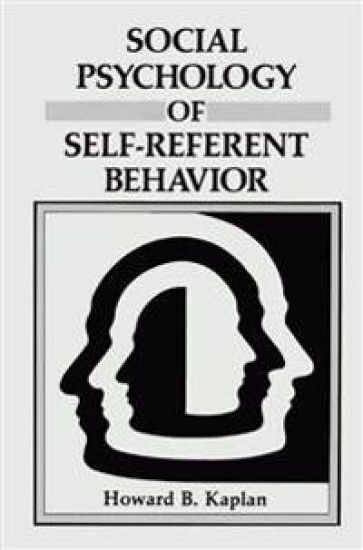
This book is about human behavior and, more particularly, about a class of human behaviors-those behaviors by people that have themselves as the object of their behaviors. These self-referent behaviors are social in nature in the sense that in large measure, they are the outcomes of pervasive social processes and are themselves major influences on social outcomes. As such, self-referent behaviors have the potential to be sig nificant organizing constructs in the study of the broader field of social psychology. In any case, they are regarded here as of intrinsic interest and are the focus of this volume. Four broad categories of self-referent behaviors are considered with regard to their social bases and conse quences as these are revealed in the social psychological and sociological literature. With appropriate discriminations made within each group ing, the four categories are: self-conceiving, self-evaluating, self-feeling, and self-protective-self-enhancing responses. Following a consideration of the social antecedents and consequences of each category of self referent behaviors, I present a final summary statement that outlines a theoretical model of the additive and interactive social influences on and consequences of the mutually influential self-referent behaviors. The outline of the theoretical model reflects my synthesis of the apparently relevant theoretical and empirical literature and is intended to function as a framework for the orderly incorporation of new theoretical asser tions and more or less apparently relevant empirical associations.
This volume is about understanding the relationship between deviance and selected correlates of deviance in one generation and deviance and its selected correlates in the next generation. By examining the significance of these constructs in the parental generation as part of the explanation for the same constructs in the child’s generation, we contribute to an und- standing of the phenomena. This contribution, however, is quite limited in the sense that we are examining in essence bivariate relationships—the association between first-generation and second-generation phenomena— while ignoring all of the other influences on the second-generation p- nomena that do not stem from or account for the intergenerational relationship. Nevertheless, the study of intergenerational parallelism of deviance and its correlates justifiably has excited attention and resulted in a vo- minous literature greater than might have been expected for any parti- lar bivariate relationships because of the mystique surrounding ideas—cycle of violence, reproduction of culture, to name but a few—that are evoked by consideration of the association between such phenomena in one generation and the same phenomena in a successive generation.
Innovation in the private and public sectors has been the subject of a great deal of study, since it is central to the economic growth and effective governance of most organizations. Determining the changes needed in an organization is less difficult than determining how to make the changes work. This volume is the result of a three-year study that investigated the factors associated with the implementation of program changes in a nonprofit community welfare agency. The results of the research showed that a greater understanding of the implementation process was needed, both by the workers and administrators. In addition, factors other than "need" were determined to influence what action is taken to implement the recommendations. This book takes the results of the study and demonstrates how implementation can be successful in an organization. This work includes factors such as administration behavior and perception, its effect on board members, mobility orientation, job satisfaction, and the prediction of program change and will be of interest to management in both the private and non-profit sector as well as students of organizational sociology and psychology.
Innovation in the private and public sectors has been the subject of a great deal of study, since it is central to the economic growth and effective governance of most organizations. Determining the changes needed in an organization is less difficult than determining how to make the changes work. This volume is the result of a three-year study that investigated the factors associated with the implementation of program changes in a nonprofit community welfare agency. The results of the research showed that a greater understanding of the implementation process was needed, both by the workers and administrators. In addition, factors other than "need" were determined to influence what action is taken to implement the recommendations. This book takes the results of the study and demonstrates how implementation can be successful in an organization. This work includes factors such as administration behavior and perception, its effect on board members, mobility orientation, job satisfaction, and the prediction of program change and will be of interest to management in both the private and non-profit sector as well as students of organizational sociology and psychology.
This book is about human behavior and, more particularly, about a class of human behaviors-those behaviors by people that have themselves as the object of their behaviors. These self-referent behaviors are social in nature in the sense that in large measure, they are the outcomes of pervasive social processes and are themselves major influences on social outcomes. As such, self-referent behaviors have the potential to be sig nificant organizing constructs in the study of the broader field of social psychology. In any case, they are regarded here as of intrinsic interest and are the focus of this volume. Four broad categories of self-referent behaviors are considered with regard to their social bases and conse quences as these are revealed in the social psychological and sociological literature. With appropriate discriminations made within each group ing, the four categories are: self-conceiving, self-evaluating, self-feeling, and self-protective-self-enhancing responses. Following a consideration of the social antecedents and consequences of each category of self referent behaviors, I present a final summary statement that outlines a theoretical model of the additive and interactive social influences on and consequences of the mutually influential self-referent behaviors. The outline of the theoretical model reflects my synthesis of the apparently relevant theoretical and empirical literature and is intended to function as a framework for the orderly incorporation of new theoretical asser tions and more or less apparently relevant empirical associations.