Kirjojen hintavertailu. Mukana 12 592 941 kirjaa ja 12 kauppaa.

Kirjailija

Hubert Cochet

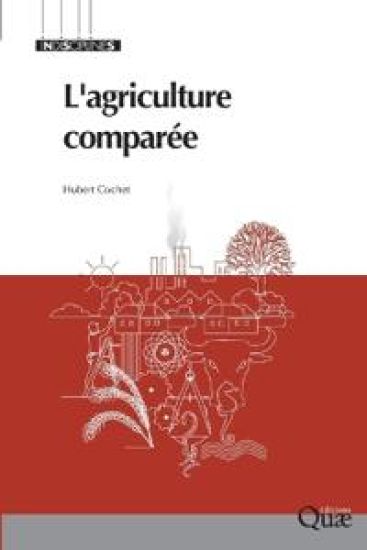
Kirjat ja teokset yhdessä paikassa: 3 kirjaa, julkaisuja vuosilta 2011-2016, suosituimpien joukossa L'agriculture comparée. Vertaile teosten hintoja ja tarkista saatavuus suomalaisista kirjakaupoista.

3 kirjaa

Kirjojen julkaisuhaarukka 2011-2016.

Comparative Agriculture

Comparative Agriculture

Hubert Cochet

Springer
2016
nidottu
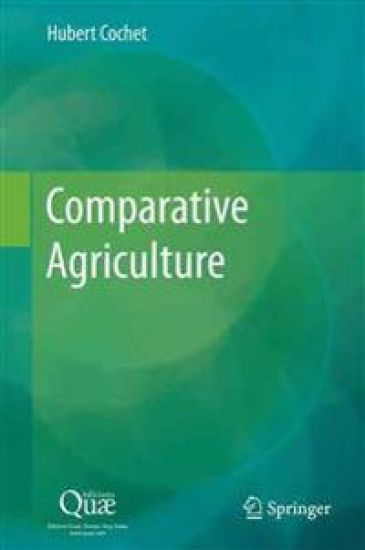
In the first section dedicated to theoretical thoughts on comparative agriculture, Hubert Cochet introduces the notion of “agricultural development”, the very subject of comparative agriculture, with a restored endogenous dimension. He then describes how this approach was slowly consolidated, around the concept of agrarian system in particular. The comparison of agricultural transformations in time and space highlights the importance of the comparatist approach to production processes, their trajectories and differentiation on a worldwide scale. The second section which focuses on the methods and expertise of comparative agriculture, tackles the issues of landscape analysis, field surveys and the historical approach underlying comparative agriculture. It sums up the economic tools mobilised as well as the evaluation perspectives opened up by comparative agriculture.
Comparative Agriculture

Comparative Agriculture

Hubert Cochet

Springer
2015
sidottu
In the first section dedicated to theoretical thoughts on comparative agriculture, Hubert Cochet introduces the notion of “agricultural development”, the very subject of comparative agriculture, with a restored endogenous dimension. He then describes how this approach was slowly consolidated, around the concept of agrarian system in particular. The comparison of agricultural transformations in time and space highlights the importance of the comparatist approach to production processes, their trajectories and differentiation on a worldwide scale. The second section which focuses on the methods and expertise of comparative agriculture, tackles the issues of landscape analysis, field surveys and the historical approach underlying comparative agriculture. It sums up the economic tools mobilised as well as the evaluation perspectives opened up by comparative agriculture.