Kirjojen hintavertailu. Mukana 12 595 353 kirjaa ja 12 kauppaa.

Kirjailija

Hugh Miall

Kirjat ja teokset yhdessä paikassa: 14 kirjaa, julkaisuja vuosilta 1987-2024, suosituimpien joukossa Contemporary Conflict Resolution. Vertaile teosten hintoja ja tarkista saatavuus suomalaisista kirjakaupoista.

14 kirjaa

Kirjojen julkaisuhaarukka 1987-2024.

Contemporary Conflict Resolution

Contemporary Conflict Resolution

Oliver Ramsbotham; Tom Woodhouse; Hugh Miall; Harmonie Toros

JOHN WILEY AND SONS LTD
2024
sidottu
The indispensable guide to conflict resolution in a troubled world Conflict prevention and resolution, peacekeeping, and peacebuilding have never been more important as priorities on the global agenda. The wars in Ukraine and Gaza, and tensions between the major powers in what is now a multi-polar world, require new conflict resolution responses. The fifth edition of this hugely popular text offers a commanding overview of today’s changing conflict landscape and the latest developments and new ideas in the field. Fluently written in an easy-to-follow style, it guides readers carefully through the key concepts, issues and debates, evaluates successes and failures, and assesses the main challenges for conflict resolution today. Comprehensively updated and illustrated with new case studies, the fifth edition returns to its favoured twelve-chapter format. It remains the leading text for students of peace and security studies, conflict management and international politics, as well as policy-makers and those working in NGOs and think tanks.
Contemporary Conflict Resolution

Contemporary Conflict Resolution

Oliver Ramsbotham; Tom Woodhouse; Hugh Miall; Harmonie Toros

JOHN WILEY AND SONS LTD
2024
nidottu
The indispensable guide to conflict resolution in a troubled world Conflict prevention and resolution, peacekeeping, and peacebuilding have never been more important as priorities on the global agenda. The wars in Ukraine and Gaza, and tensions between the major powers in what is now a multi-polar world, require new conflict resolution responses. The fifth edition of this hugely popular text offers a commanding overview of today’s changing conflict landscape and the latest developments and new ideas in the field. Fluently written in an easy-to-follow style, it guides readers carefully through the key concepts, issues and debates, evaluates successes and failures, and assesses the main challenges for conflict resolution today. Comprehensively updated and illustrated with new case studies, the fifth edition returns to its favoured twelve-chapter format. It remains the leading text for students of peace and security studies, conflict management and international politics, as well as policy-makers and those working in NGOs and think tanks.
Contemporary Conflict Resolution, 4e Set

Contemporary Conflict Resolution, 4e Set

Oliver Ramsbotham; Tom Woodhouse; Hugh Miall; Christopher Mitchell

Polity Press
2016
nidottu
Now available in a discounted bundle, buy Ramsbotham, Woodhouse and Miall’s bestselling fourth edition of Contemporary Conflict Resolution alongside the new Contemporary Conflict Resolution Reader. The main textbook charts the development of the field, evaluates successes and failures, and assesses key contemporary challenges. Comprehensively revised and updated, it identifies a new pattern of ‘transnational conflicts’ and argues for a response based on cosmopolitan conflict resolution. The reader offers a rich and illuminating set of readings ranging from the seminal writings of the field’s founders to cutting-edge interventions by today’s leading exponents and practitioners of conflict resolution. Each part is framed by an editorial introduction so the reader can be used as a core teaching text or as the perfect companion volume to Contemporary Conflict Resolution Fourth Edition. Together the two books provide an engaging and thorough introduction to the full scope of contemporary conflict resolution - a comprehensive resource for all students! For additional support and material, please visit the accompanying website at: http://www.polity.co.uk/ccr/
Contemporary Conflict Resolution

Contemporary Conflict Resolution

Oliver Ramsbotham; Tom Woodhouse; Hugh Miall

Polity Press
2016
nidottu
Since the end of the Cold War, conflict prevention and resolution, peacekeeping and peacebuilding have risen to the top of the international agenda. The fourth edition of this hugely popular text explains the key concepts, charts the development of the field, evaluates successes and failures, and assesses the main current challenges and debates in the second decade of the twenty-first century. In response to ongoing changes in the dynamics of global conflict, including the events and consequences of the Arab revolutions, the rise of the self-styled ?Islamic State?, the conflict in Ukraine, and the continued evolution of conflict resolution theory and practice, this edition provides a fresh assessment of the contemporary conflict landscape. Comprehensively updated and illustrated with new case studies, the book identifies a new pattern of ?transnational conflicts? and argues for a response based on cosmopolitan conflict resolution, defined as the promotion of the cosmopolitan values on which the welfare and life hopes of future generations depend. Part I offers a comprehensive survey of the theory and practice of conflict resolution. Part II sets the field within the context of rapid global change and addresses the controversies that have surrounded conflict resolution as it has entered the mainstream. Contemporary Conflict Resolution is essential reading for students of peace and security studies, conflict management and international politics, as well as for those working in non-governmental organizations and think-tanks.
The Contemporary Conflict Resolution Reader

The Contemporary Conflict Resolution Reader

Hugh Miall; Tom Woodhouse; Oliver Ramsbotham; Christopher Mitchell

Polity Press
2015
nidottu
Armed conflict may appear to be in long term decline, but the intractability and destructiveness of contemporary conflicts make conflict resolution as urgent and necessary as ever. The Contemporary Conflict Resolution Reader is the first comprehensive survey of the field as it has evolved over the last fifty years, bringing together the seminal writings of its founders with the cutting-edge interventions of today’s leading exponents and practitioners. Drawing on their extensive experience and knowledge of conflict and peace research across the world, the editors have selected a rich and illuminating set of readings that offer a unique and accessible overview of the many different aspects of conflict resolution. The chapters range across prevention, nonviolence, constructive approaches, mediation, negotiation, reconciliation and peace-building. Each one is framed by an editorial introduction and the readings are helpfully broken up into the following sections: reflective pieces, guides to practice, case studies and tools for learning. Covering classical and contemporary ideas, the Reader includes extracts which mark the continued innovation, relevance and dynamism of the field globally. Whether used on its own or as a companion to the hugely popular Contemporary Conflict Resolution, this Reader will be an invaluable resource for students and teachers of peace and conflict research, politics and international relations, as well as practitioners working in the field. While acknowledging the scale of the challenges ahead, this inspiring collection suggests a hopeful and practical vision of the way forward for conflict resolution in the 21st century.
The Contemporary Conflict Resolution Reader

The Contemporary Conflict Resolution Reader

Hugh Miall; Tom Woodhouse; Oliver Ramsbotham; Christopher Mitchell

Polity Press
2015
sidottu
Armed conflict may appear to be in long term decline, but the intractability and destructiveness of contemporary conflicts make conflict resolution as urgent and necessary as ever. The Contemporary Conflict Resolution Reader is the first comprehensive survey of the field as it has evolved over the last fifty years, bringing together the seminal writings of its founders with the cutting-edge interventions of today’s leading exponents and practitioners. Drawing on their extensive experience and knowledge of conflict and peace research across the world, the editors have selected a rich and illuminating set of readings that offer a unique and accessible overview of the many different aspects of conflict resolution. The chapters range across prevention, nonviolence, constructive approaches, mediation, negotiation, reconciliation and peace-building. Each one is framed by an editorial introduction and the readings are helpfully broken up into the following sections: reflective pieces, guides to practice, case studies and tools for learning. Covering classical and contemporary ideas, the Reader includes extracts which mark the continued innovation, relevance and dynamism of the field globally. Whether used on its own or as a companion to the hugely popular Contemporary Conflict Resolution, this Reader will be an invaluable resource for students and teachers of peace and conflict research, politics and international relations, as well as practitioners working in the field. While acknowledging the scale of the challenges ahead, this inspiring collection suggests a hopeful and practical vision of the way forward for conflict resolution in the 21st century.
Contemporary Conflict Resolution

Contemporary Conflict Resolution

Oliver Ramsbotham; Tom Woodhouse; Hugh Miall

Polity Press
2011
sidottu
Since the end of the Cold War, conflict prevention and resolution, peacekeeping and peacebuilding have risen to the top of the international agenda. The third edition of this hugely popular text explains the key concepts, charts the development of the field, evaluates successes and failures, and assesses the main current challenges and debates in the second decade of the twenty-first century. Existing material has been thoroughly updated and four new chapters added, on environmental conflict resolution, conflict resolution in the arts and popular culture, conflict resolution in the media and the communications revolution, and theories and critiques of the field. The authors argue that a new form of cosmopolitan conflict resolution is emerging, which offers a hopeful means for human societies to handle their conflicts non-violently and eventually to transcend and celebrate their differences. Part I offers a comprehensive survey of the theory and practice of conflict resolution. Part II sets the field within the context of rapid global change and addresses the controversies that have surrounded conflict resolution as it has entered the mainstream. Contemporary Conflict Resolution is essential reading for students of peace and security studies, conflict management and international politics, as well as for those working in non-governmental organizations and think-tanks.
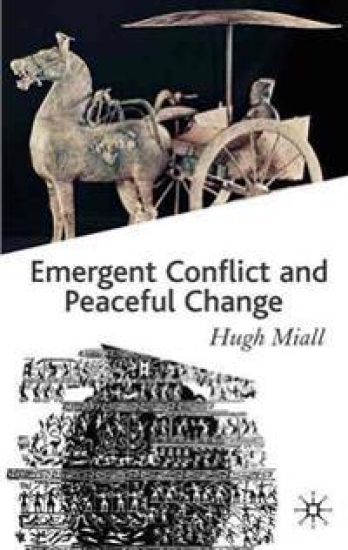
Emergent Conflict and Peaceful Change

Emergent Conflict and Peaceful Change

Hugh Miall

Palgrave Macmillan
2007
sidottu
Hugh Miall draws upon conflict theory, case studies of averted conflict and a survey of the preventors of war since 1945 to explore how some conflict can be avoided at times of great social or political change. He also looks ahead to discuss the prevention of emerging global conflicts, focusing on climate change.
Emergent Conflict and Peaceful Change

Emergent Conflict and Peaceful Change

Hugh Miall

Palgrave Macmillan
2007
nidottu
Hugh Miall draws upon conflict theory, case studies of averted conflict and a survey of the preventors of war since 1945 to explore how some conflict can be avoided at times of great social or political change. He also looks ahead to discuss the prevention of emerging global conflicts, focusing on climate change.
The Peacemakers

The Peacemakers

Hugh Miall

Palgrave Macmillan
1992
sidottu
The UN Charter commits member-states to settle their disputes by peaceful means but, despite this, there have been only 26 days since 1945 in which armed conflict has not been underway. Nevertheless, many conflicts have been settled without war since 1945. Drawing on case- studies, interviews with mediators, contemporary theories of conflict resolution and a comparative analysis of over eighty peaceful and armed conflicts, this book asks what can be learned from this historical experience.
Beyond Deterrence

Beyond Deterrence

Hugh Miall; Oliver Ramsbotham

Palgrave Macmillan
1991
nidottu
The collapse of communism in Eastern Europe, the unification of Germany, the withdrawal of Soviet troops, the possible disintegration of the Soviet Union, disengagement of the United States and creation of a federal Europe - all this has changed the security context in Europe and stimulated a Europe-wide debate about the future. Deep questions about the nature of security itself have been raised. This book will add fuel to the debate.
Beyond Deterrence

Beyond Deterrence

Hugh Miall; Oliver Ramsbotham

Palgrave Macmillan
1991
sidottu
The collapse of communism in Eastern Europe, the unification of Germany, the withdrawal of Soviet troops, the possible disintegration of the Soviet Union, disengagement of the United States and creation of a federal Europe - all this has changed the security context in Europe and stimulated a Europe-wide debate about the future. Deep questions about the nature of security itself have been raised. This book will add fuel to the debate.
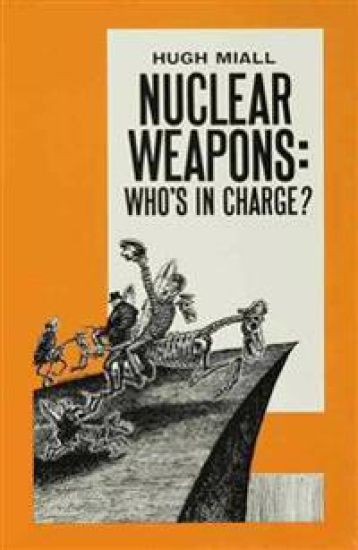
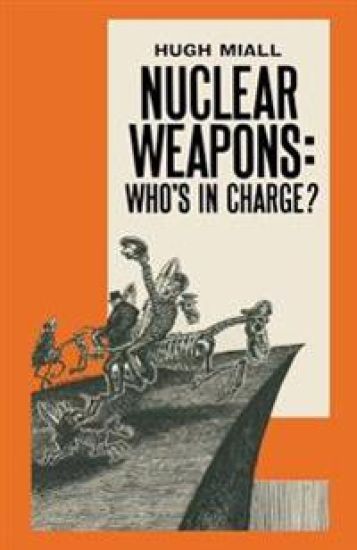
Nuclear Weapons: Who’s in Charge?

Nuclear Weapons: Who’s in Charge?

Hugh Miall

Palgrave Macmillan
1987
sidottu
Ever since the possibility of nuclear fission arose in the minds of the physicists of the 1930s, nuclear weapons seem to have had a momentum of their own. In charge of them, and driven by them, are the nuclear decision-makers. This book takes the reader behind the tests and deployments of bombs and missiles to reveal who takes the decisions to develop nuclear weapons and what kind of people they are. Ranging from the laboratories where 'Star Wars' weapons are being invented, to the Design Bureau where Soviet missiles are developed, to Mururoa Atoll, testing site of the French neutron bomb, to the lake-side compound in the Beijing, from which the modernisation of Chinese nuclear weapons is directed, to the Atomic Weapons Research Establishment at Aldermaston, where warheads for British nuclear weapons are designed, the author asks: who is in charge of nuclear weapons?
Nuclear Weapons: Who’s in Charge?

Nuclear Weapons: Who’s in Charge?

Hugh Miall

Palgrave Macmillan
1987
nidottu
Ever since the possibility of nuclear fission arose in the minds of the physicists of the 1930s, nuclear weapons seem to have had a momentum of their own. In charge of them, and driven by them, are the nuclear decision-makers. This book takes the reader behind the tests and deployments of bombs and missiles to reveal who takes the decisions to develop nuclear weapons and what kind of people they are. Ranging from the laboratories where 'Star Wars' weapons are being invented, to the Design Bureau where Soviet missiles are developed, to Mururoa Atoll, testing site of the French neutron bomb, to the lake-side compound in the Beijing, from which the modernisation of Chinese nuclear weapons is directed, to the Atomic Weapons Research Establishment at Aldermaston, where warheads for British nuclear weapons are designed, the author asks: who is in charge of nuclear weapons?