Kirjojen hintavertailu. Mukana 12 588 869 kirjaa ja 12 kauppaa.

Kirjailija

Hugh Pemberton

Kirjat ja teokset yhdessä paikassa: 8 kirjaa, julkaisuja vuosilta 2004-2026, suosituimpien joukossa A Neoliberal Revolution?. Vertaile teosten hintoja ja tarkista saatavuus suomalaisista kirjakaupoista.

8 kirjaa

Kirjojen julkaisuhaarukka 2004-2026.

A Neoliberal Revolution?

A Neoliberal Revolution?

Aled Davies; James Freeman; Hugh Pemberton

MANCHESTER UNIVERSITY PRESS
2026
nidottu
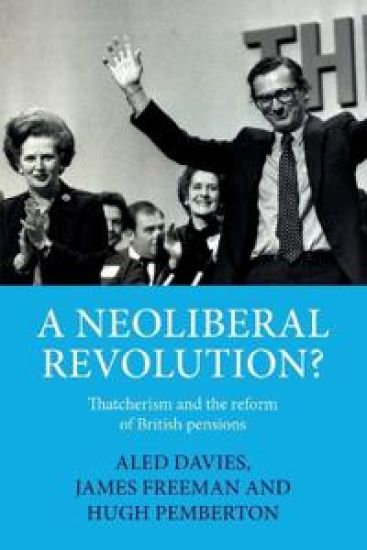
This book examines the Thatcher government’s attempt to revolutionise Britain’s pensions system in the 1980s and create a nation of risk-taking savers with an individual stake in capitalism. Drawing upon recently-released archival records, it shows how the ideas motivating these reforms journeyed from the writings of neoliberal intellectuals into government and became the centrepiece of a plan to abolish significant parts of the UK’s welfare state and replace these with privatised personal pensions. Revealing a government that veered between political caution and radicalism, the book explains why this revolution failed and charts the malign legacy left by the evolutionary changes that ministers salvaged from the wreckage of their reforms. The book contributes to understanding of policy change, Thatcherism, and international neoliberalism by showing how major reforms to social security could reflect neoliberal thought and yet profoundly disappoint their architects.
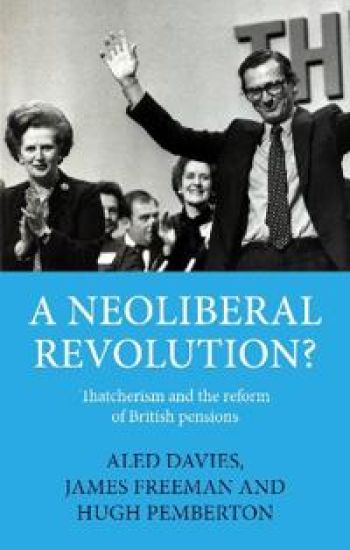
A Neoliberal Revolution?

A Neoliberal Revolution?

Aled Davies; James Freeman; Hugh Pemberton

MANCHESTER UNIVERSITY PRESS
2024
sidottu
This book examines the Thatcher government’s attempt to revolutionise Britain’s pensions system in the 1980s and create a nation of risk-taking savers with an individual stake in capitalism. Drawing upon recently-released archival records, it shows how the ideas motivating these reforms journeyed from the writings of neoliberal intellectuals into government and became the centrepiece of a plan to abolish significant parts of the UK’s welfare state and replace these with privatised personal pensions. Revealing a government that veered between political caution and radicalism, the book explains why this revolution failed and charts the malign legacy left by the evolutionary changes that ministers salvaged from the wreckage of their reforms.The book contributes to understanding of policy change, Thatcherism, and international neoliberalism by showing how major reforms to social security could reflect neoliberal thought and yet profoundly disappoint their architects.
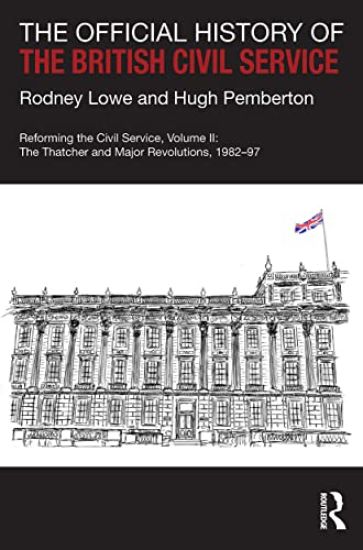
The Official History of the British Civil Service

The Official History of the British Civil Service

Rodney Lowe; Hugh Pemberton

TAYLOR FRANCIS LTD
2021
nidottu
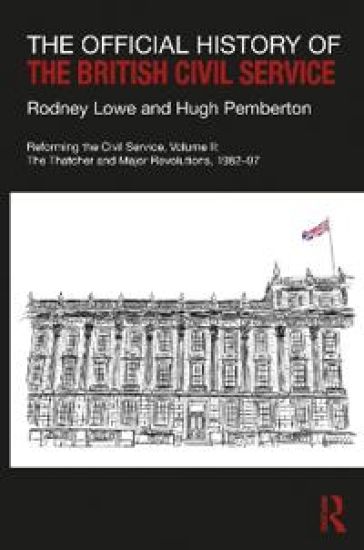
This second volume of The Official History of the British Civil Service explores the radical restructuring of the Civil Service that took place during the Thatcher and Major premierships from 1982 until 1997, after a period of confusion and disagreement about its future direction. The book brings a much-needed historical perspective to the development of the ‘new public management’, in which the UK was a world-leader, and considers difficult questions about the quality of democratic governance in Britain and the constitutional position of its Civil Service. Based on extensive research using government papers and interviews with leading participants, it concentrates on attempts to reform the Civil Service from the centre. In doing so, it has important lessons to offer all those, both inside and outside the UK, seeking to improve the quality, efficiency and accountability of democratic governance.Particular light is shed on the origins of such current concerns as:The role of special advisersThe need for a Prime Minister’s DepartmentThe search for cost efficiencyAccountability to Parliament and its Select Committees Civil Service policy-making capacity and implementation capability. This book will be of much interest to students of British history, government and politics, and public administration.
The Official History of the British Civil Service

The Official History of the British Civil Service

Rodney Lowe; Hugh Pemberton

Routledge
2020
sidottu
This second volume of The Official History of the British Civil Service explores the radical restructuring of the Civil Service that took place during the Thatcher and Major premierships from 1982 until 1997, after a period of confusion and disagreement about its future direction. The book brings a much-needed historical perspective to the development of the ‘new public management’, in which the UK was a world-leader, and considers difficult questions about the quality of democratic governance in Britain and the constitutional position of its Civil Service. Based on extensive research using government papers and interviews with leading participants, it concentrates on attempts to reform the Civil Service from the centre. In doing so, it has important lessons to offer all those, both inside and outside the UK, seeking to improve the quality, efficiency and accountability of democratic governance.Particular light is shed on the origins of such current concerns as: The role of special advisers The need for a Prime Minister’s Department The search for cost efficiency Accountability to Parliament and its Select Committees Civil Service policy-making capacity and implementation capability. This book will be of much interest to students of British history, government and politics, and public administration.
An Affluent Society?

An Affluent Society?

Lawrence Black; Hugh Pemberton

Routledge
2017
nidottu
During an election speech in 1957 the Prime Minister, Harold Macmillan, famously remarked that 'most of our people have never had it so good'. Although taken out of context, this phrase soon came to epitomize the sense of increased affluence and social progress that was prevalent in Britain during the 1950s and 1960s. Yet, despite the recognition that Britain had moved away from an era of rationing and scarcity, to a new age of choice and plenty, there was simultaneously a parallel feeling that the nation was in decline and being economically outstripped by its international competitors. Whilst the study of Britain's postwar history is a well-trodden path, and the paradox of absolute growth versus relative decline much debated, it is here approached in a fresh and rewarding way. Rather than highlighting economic and industrial 'decline', this volume emphasizes the tremendous impact of rising affluence and consumerism on British society. It explores various expressions of affluence: new consumer goods; shifting social and cultural values; changes in popular expectations of policy; shifting popular political behaviour; changing attitudes of politicians towards the electorate; and the representation of affluence in popular culture and advertising. By focusing on the widespread cultural consequences of increasing levels of consumerism, emphasizing growth over decline and recognizing the rising standards of living enjoyed by most Britons, a new and intriguing window is opened on the complexities of this 'golden age'. Contrasting growing consumer expectations and demands against the anxieties of politicians and economists, this book offers all students of the period a new perspective from which to view post-imperial Britain and to question many conventional historical assumptions.
Policy Learning and British Governance in the 1960s
Why did Britain's economic policy revolution in the 1960s achieve so little? Drawing on the latest political science theories of policy networks and policy learning, Hugh Pemberton outlines a new model of economic policy making and then uses it to interrogate recently-released government documents. In explaining both the radical shift in policy and its failure to achieve its full potential, this book has much to say about the problems of British governance throughout the whole of the postwar period.
Policy Learning and British Governance in the 1960s
Why did Britain's economic policy revolution in the 1960s achieve so little? Drawing on the latest political science theories of policy networks and policy learning, Hugh Pemberton outlines a new model of economic policy making and then uses it to interrogate recently-released government documents. In explaining both the radical shift in policy and its failure to achieve its full potential, this book has much to say about the problems of British governance throughout the whole of the postwar period.
An Affluent Society?

An Affluent Society?

Lawrence Black; Hugh Pemberton

Ashgate Publishing Limited
2004
sidottu
During an election speech in 1957 the Prime Minister, Harold Macmillan, famously remarked that 'most of our people have never had it so good'. Although taken out of context, this phrase soon came to epitomize the sense of increased affluence and social progress that was prevalent in Britain during the 1950s and 1960s. Yet, despite the recognition that Britain had moved away from an era of rationing and scarcity, to a new age of choice and plenty, there was simultaneously a parallel feeling that the nation was in decline and being economically outstripped by its international competitors. Whilst the study of Britain's postwar history is a well-trodden path, and the paradox of absolute growth versus relative decline much debated, it is here approached in a fresh and rewarding way. Rather than highlighting economic and industrial 'decline', this volume emphasizes the tremendous impact of rising affluence and consumerism on British society. It explores various expressions of affluence: new consumer goods; shifting social and cultural values; changes in popular expectations of policy; shifting popular political behaviour; changing attitudes of politicians towards the electorate; and the representation of affluence in popular culture and advertising. By focusing on the widespread cultural consequences of increasing levels of consumerism, emphasizing growth over decline and recognizing the rising standards of living enjoyed by most Britons, a new and intriguing window is opened on the complexities of this 'golden age'. Contrasting growing consumer expectations and demands against the anxieties of politicians and economists, this book offers all students of the period a new perspective from which to view post-imperial Britain and to question many conventional historical assumptions.