
Kirjailija
Hugo Soly
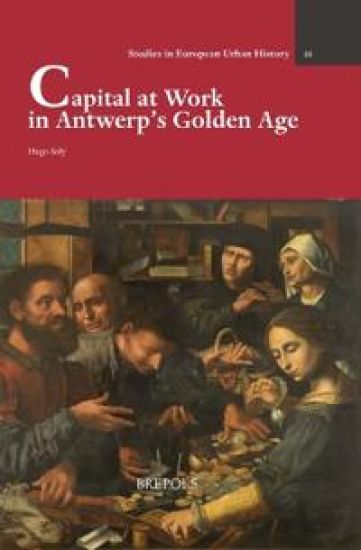
Kirjat ja teokset yhdessä paikassa: 3 kirjaa, julkaisuja vuosilta 2006-2022, suosituimpien joukossa Capital at Work in Antwerp's Golden Age. Vertaile teosten hintoja ja tarkista saatavuus suomalaisista kirjakaupoista.
3 kirjaa
Kirjojen julkaisuhaarukka 2006-2022.
In the half millennium of their existence, guilds in the Low Countries played a highly significant role in shaping the societies of which they were a part. One key aspect that has been identified in recent historical research to explain the survival of the guilds for such a long time is the guilds' continued adaptability to changing circumstances. This idea of flexibility is the point of departure for the essays in this volume, which sheds new light on the corporate system and identifies its various features and regional variances. The contributors explore the interrelations between economic organisations and political power in late medieval and early modern towns, and address issues of gender, religion and social welfare in the context of the guilds. This cohesive and focussed volume will provide a stimulus for renewed interest and further research in this area. It will appeal to scholars and students with an interest in early modern economic, social and cultural history in particular, but will also be valuable to those researching into political, religious and gender history.
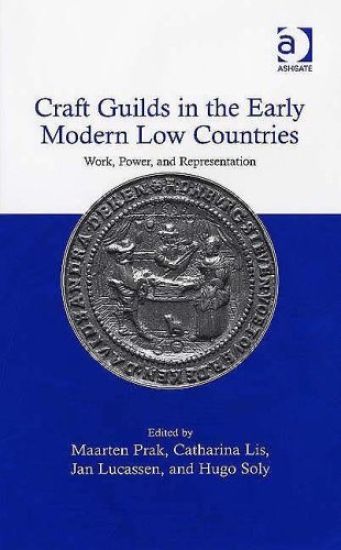
Craft Guilds in the Early Modern Low Countries
Catharina Lis; Hugo Soly
Ashgate Publishing Limited
2006
sidottu
In the half millennium of their existence, guilds in the Low Countries played a highly significant role in shaping the societies of which they were a part. One key aspect that has been identified in recent historical research to explain the survival of the guilds for such a long time is the guilds' continued adaptability to changing circumstances. This idea of flexibility is the point of departure for the essays in this volume, which sheds new light on the corporate system and identifies its various features and regional variances. The contributors explore the interrelations between economic organisations and political power in late medieval and early modern towns, and address issues of gender, religion and social welfare in the context of the guilds. This cohesive and focussed volume will provide a stimulus for renewed interest and further research in this area. It will appeal to scholars and students with an interest in early modern economic, social and cultural history in particular, but will also be valuable to those researching into political, religious and gender history.