Kirjailija
Hussein Ahdieh
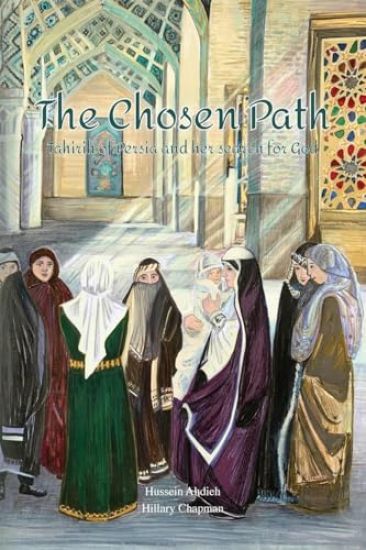
Kirjat ja teokset yhdessä paikassa: 13 kirjaa, julkaisuja vuosilta 2012-2025, suosituimpien joukossa The Chosen Path. Vertaile teosten hintoja ja tarkista saatavuus suomalaisista kirjakaupoista.
13 kirjaa
Kirjojen julkaisuhaarukka 2012-2025.
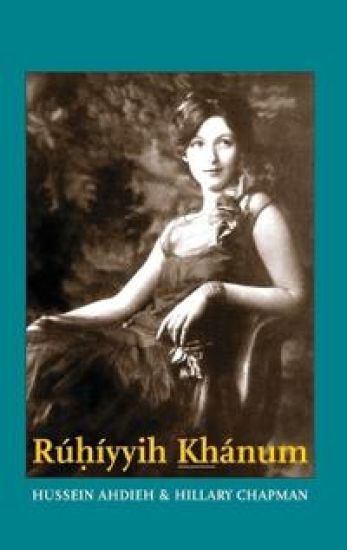
The authors have undertaken an incredible task: to condense the life of one of the most important and charismatic Bah ' figures of the 20th century into a narrative directed to youth everywhere. 'Amatu'l-Bah R ḥ yyih Kh num, author, playwright, filmmaker, poetess, Bah ' ambassadress, and above all, wife of the Guardian of the Bah ' Faith, Shoghi Effendi Rabbani, described by 'Abdu'l-Bah as the 'sign of God' on earth.
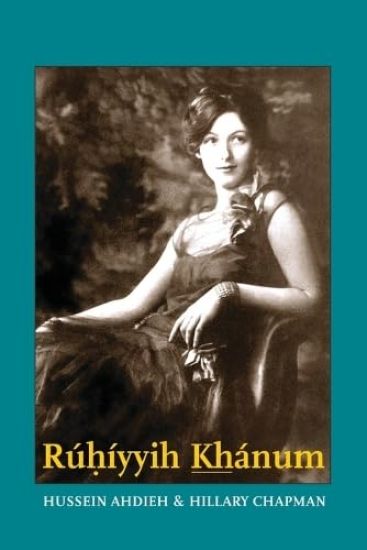
The authors have undertaken an incredible task: to condense the life of one of the most important and charismatic Bah ' figures of the 20th century into a narrative directed to youth everywhere. 'Amatu'l-Bah R ḥ yyih Kh num, author, playwright, filmmaker, poetess, Bah ' ambassadress, and above all, wife of the Guardian of the Bah ' Faith, Shoghi Effendi Rabbani, described by 'Abdu'l-Bah as the 'sign of God' on earth.
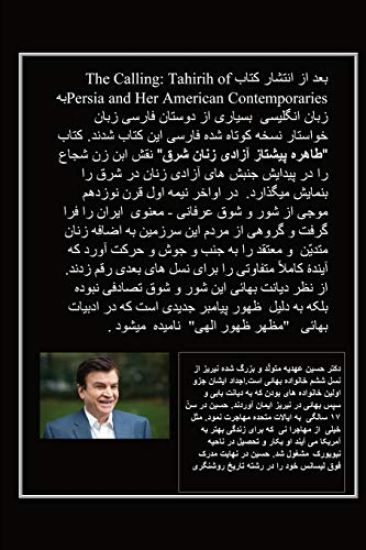
Tahirih: Forerunner of Women's Liberation in the East by Hussein Ahdieh describes Tahirih (Qurrat al-'Ayn), the trailblazing female nineteenth century Iranian poet, theologian and religious-revolutionary leader in a fresh, new manner. In 1852 she was executed by a state fearful of her message. Her last words were "You can kill me as soon as you like, but you cannot stop the emancipation of women."
Tahirih: Forerunner of Women's Liberation in the East (Persian)
Hussein Ahdieh
Lulu.com
2019
nidottu
Tahirih: Forerunner of Women's Liberation in the East by Hussein Ahdieh describes Tahirih (Qurrat al-`Ayn), the trailblazing female nineteenth century Iranian poet, theologian and religious-revolutionary leader in a fresh, new manner. In 1852 she was executed by a state fearful of her message. Her last words were "You can kill me as soon as you like, but you cannot stop the emancipation of women."

Precious Glimmers: The Bahá'í Faith in New York, 1892 - 1932
Hussein Ahdieh
Independently Published
2019
nidottu
"Precious Glimmers" recalls highlights of the first 40 years of the Bah ' Faith in New York, City of the Covenant, 1892-1932. These include meetings, talks, conferences, proclamations, teaching activities, and important administrative milestones. Some of the early Bah ' s found in these pages are Arthur Pillsbury Dodge, Lua Getsinger, Juliet Thompson, Mountfort Mills, Roy Wilhelm, Louis Gregory, Howard MacNutt, and Martha Root
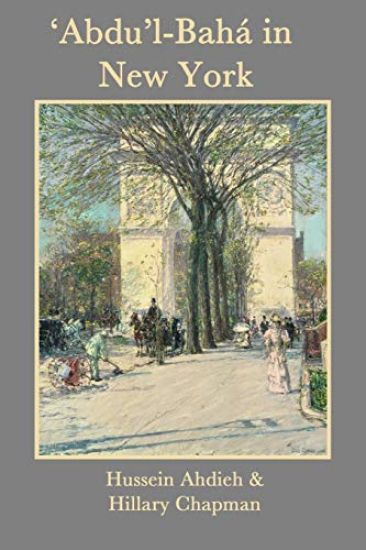
'Abdu'l-Baha in New York
Hillary Chapman; Hussein Ahdieh
Createspace Independent Publishing Platform
2017
nidottu
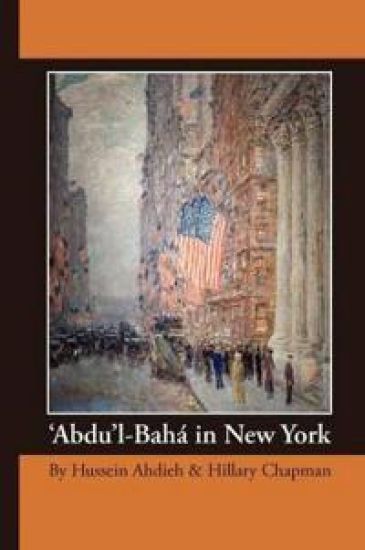
Of all the historical, religious and cultural events in the history of the United States, the arrival of 'Abdu'l-Bah in 1912 was the most important one of all. Many people-from all facets of society-had the honor to meet Him, attend His talks, benefit from His wisdom and witness His benevolence and humility. Their encounter with 'Abdu'l-Bah was life- altering: He touched the depths of their souls and awakened them spiritually. This re-telling of 'Abdu'l-Bah 's days in New York City is both inspiring and illuminating. It is intended to bring you closer to this unique figure in spiritual history, whose life will serve as a model of the true spiritual and ethical life for centuries to come.


L'Eveil: Histoire de la foi bábíe et de la foi bahá'íe à Nayríz
Hillary Chapman; Hussein Ahdieh
Createspace Independent Publishing Platform
2016
nidottu
L' veil est un r cit d taill qui ouvre les yeux du lecteur sur des pers cutions brutales pour motif religieux et un examen critique de la question du fanatisme et de l'importance de la tol rance en mati re de religion. L' VEIL: HISTOIRE DE LA FOI B B E ET DE LA FOI BAH ' E NAYR Z est un r cit qui s'inspire des pers cutions brutales pour motif religieux inflig es aux habitants b b s et bah ' s de Nayr z, en Iran, en 1850, 1853 et 1909. En ces ann es-l , les citoyens de la ville, sous l'impulsion d'un clerg musulman et d'un gouvernement corrompus, lanc rent plusieurs vagues d'effusion de sang contre les b b s, et plus tard contre les bah ' s, qui y vivaient. Ce genre de pers cution se poursuit encore aujourd'hui l'heure actuelle en Iran contre les bah ' s, d'une mani re beaucoup plus subtile; et l'histoire des b b s et des bah ' s de Nayr z sert de rappel de ce qui peut se produire quand le fanatisme religieux et la parano a sont admis remplacer la pens e rationnelle et la tol rance.
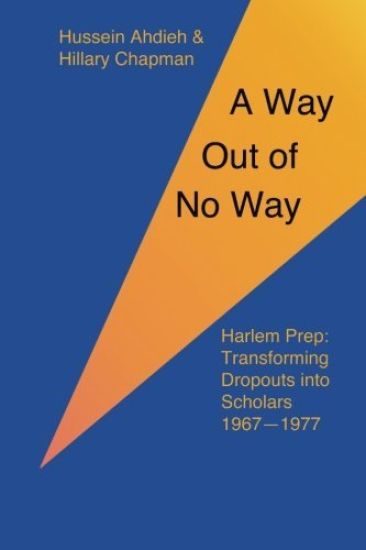
A Way Out of No Way: Harlem Prep: Transforming Dropouts into Scholars, 1967-1977
Hillary Chapman; Hussein Ahdieh
Createspace Independent Publishing Platform
2016
nidottu
From its founding in 1967, the Harlem Preparatory School attracted the attention of educators in New York City and elsewhere for its innovative educational philosophy and process. Harlem Prep was guided by progressive education principles that promoted individual responsibility and dignity, and community engagement. A Way Out of No Way recounts the story of Harlem Prep as an independent charter school-as told by its former assistant headmaster, Huissein Ahdieh. The National Urban League planned the school as a part of its educational mission, and the Mosler Foundation and the Ford Foundation provided much of its initial funding. Ann Carpenter, Ed Carpenter, and Hussein Ahdieh, who knew each other through their shared Bah ' Faith, administered the new school along with Sister Ruth Dowd, who was a Catholic nun. Amidst the idealism of the late 60s and early 70s, the free-school movement (now called the 'alternative' school movement') fired the imagination of educators. Harlem Prep enrolled youths, from 17 to 21 years old and, even, some adults as old as 40, who had been failed by the public school system. With poor academic skills, a lack of direction as well as other social and personal problems, these youth had fallen outside the system with no clear future. Harlem Prep was allowed independence in its operation, curriculum, and hiring because it was a private, non-sectarian school. The curriculum was needs-based and multi-disciplinary. Classes met at flexible times. The former supermarket in Harlem in which the school was housed made an open classroom arrangement possible. The State of New York allowed cross observation. Study materials were supplemented by field trips. Tutors and mentors assisted the students with their academic needs. Personal expression was encouraged. An atmosphere of mutual respect characterized the interactions between teachers and students and allowed for them to reverse roles at times. An individual graduated only when he or she had a college acceptance in hand. Many corporations and foundations supported the school financially such as the Mosler Foundation, the Ford Foundation, Coca-Cola, Exxon (Esso) and others. With its motto "Moja Logo Unity and Brotherhood," Harlem Prep blazed new trails in education with its unique process and structure which guided many students into 189 colleges in a time when there were no alternatives to a static, large, bureaucratic public system. Harlem Prep attracted many notable supporters in education, arts and entertainment, politics, and business, including Sammy Davis Jr., Pete Seeger, and Congressman Charles Rangel.

Awakening: A History of the Babi and Baha'i Faiths in Nayriz
Hussein Ahdieh; Hillary Chapman
Baha'i Publishing
2013
nidottu
An inspiring account of the brutal religious persecutions that took place in 1850, 1853, and 1909 in the town of Nayriz, Iran, against its Babi and Baha'i residents. During this time, the town's citizens, spurred on by a corrupt Muslim clergy and government, launched several waves of bloodshed against the Babis - and later Baha'is - who lived there. This type of persecution continues today in present-day Iran toward the Baha'is - on a more subtle level - and the history of the Babis and Baha'is in Nayriz serves as a reminder of what can happen when religious fanaticism and paranoia are allowed to replace rational thinking and tolerance.