Kirjojen hintavertailu. Mukana 12 595 353 kirjaa ja 12 kauppaa.
Kirjailija
Hussein Banai
Kirjat ja teokset yhdessä paikassa: 4 kirjaa, julkaisuja vuosilta 2014-2022, suosituimpien joukossa Becoming Enemies. Vertaile teosten hintoja ja tarkista saatavuus suomalaisista kirjakaupoista.
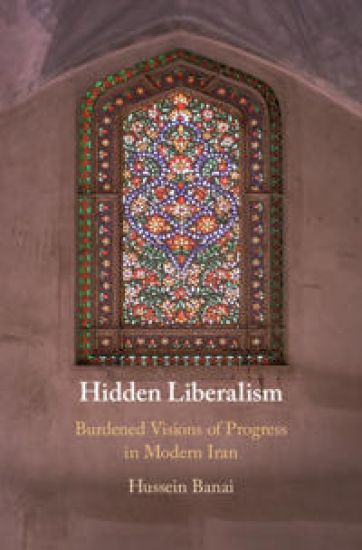
Compared to rival ideologies, liberalism has fared rather poorly in modern Iran. This is all the more remarkable given the essentially liberal substance of various social and political struggles – for liberal legality, individual rights and freedoms, and pluralism – in the century-long period since the demise of the Qajar dynasty and the subsequent transformation of the country into a modern nation-state. The deeply felt but largely invisible purchase of liberal political ideas in Iran challenges us to think more expansively about the trajectory of various intellectual developments since the emergence of a movement for reform and constitutionalism in the late nineteenth century. It complicates parsimonious accounts of Shi'ism, secularism, socialism, nationalism, and royalism as defining or representative ideologies of particular eras. Hidden Liberalism offers a critical examination of the reasons behind liberalism's invisible yet influential status, and its attendant ethical quandaries, in Iranian political and intellectual discourses.
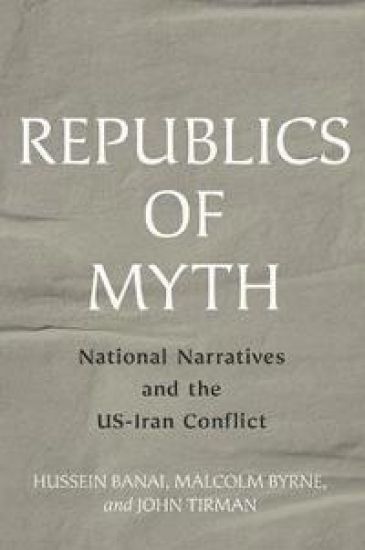
Why does the rift between the US and Iran persist?Iran and the United States have been at odds for forty years, locked in a cold war that has run the gamut from harsh rhetoric to hostage-taking, from crippling sanctions to targeted killings. In Republics of Myth, Hussein Banai, Malcolm Byrne, and John Tirman argue that a major contributing factor to this tenacious enmity is how each nation views itself. The two nations have differing interests and grievances about each other, but their often-deadly confrontation derives from the very different national narratives that shape their politics, actions, and vision of their own destiny in the world.The dominant American narrative is the myth of the frontier—that the US can tame it, tame its inhabitants, and nurture democracy as well. Iran, conversely, can claim two dominant myths: the first, an unbroken (but not for lack of trying) lineage back to Cyrus the Great, and the second, the betrayal of Imam Hussein, the Prophet's grandson. Both Iranian myths feature a detestable outsider as an enemy of the Iranian state and source of the nation's ills and misfortune. The two countries have clashed so severely in part, the authors argue, because their national narratives constantly drive them to do so. Drawing on newly declassified documents and discussions with policymakers, the authors analyze an array of missed opportunities over several decades to improve the US-Iran relationship.From the coup d'état that overthrew Iran's legitimate premier Mohammad Mosaddeq to the hostage crisis, the Iran-Iraq War, the 1996 Khobar Towers bombing, post-9/11 antagonisms, and other points of conflict, each episode illustrates anew the weight of historical narratives on present circumstances. Finally, Barack Obama's diplomacy and Donald Trump's determination to undo the 2015 nuclear accord are explored—both examples of the enduring power of America's frontier narrative. Introducing new insights and knowledge in a highly readable narrative, Republics of Myth makes a major contribution to understanding this vital conflict.
Compared to rival ideologies, liberalism has fared rather poorly in modern Iran. This is all the more remarkable given the essentially liberal substance of various social and political struggles – for liberal legality, individual rights and freedoms, and pluralism – in the century-long period since the demise of the Qajar dynasty and the subsequent transformation of the country into a modern nation-state. The deeply felt but largely invisible purchase of liberal political ideas in Iran challenges us to think more expansively about the trajectory of various intellectual developments since the emergence of a movement for reform and constitutionalism in the late nineteenth century. It complicates parsimonious accounts of Shi'ism, secularism, socialism, nationalism, and royalism as defining or representative ideologies of particular eras. Hidden Liberalism offers a critical examination of the reasons behind liberalism's invisible yet influential status, and its attendant ethical quandaries, in Iranian political and intellectual discourses.
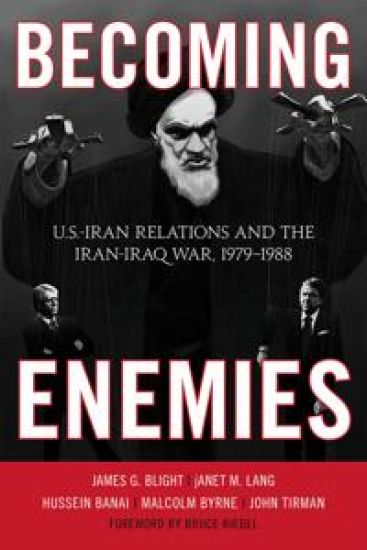
Becoming Enemies brings the unique methods of critical oral history, developed to study flashpoints from the Cold War such as the Cuban Missile Crisis, to understand U.S. and Iranian relations from the fall of the Shah in 1978 through the Iranian hostage crisis and the Iran-Iraq war. Scholars and former officials involved with U.S. and UN policy take a fresh look at U.S and Iranian relations during this time, with special emphasis on the U.S. role in the Iran-Iraq War. With its remarkable declassified documentation and oral testimony that bear directly on questions of U.S. policymaking with regard to the Iran-Iraq War, Becoming Enemies reveals much that was previously unknown about U.S. policy before, during, and after the war. They go beyond mere reportage to offer lessons regarding fundamental foreign policy challenges to the U.S. that transcend time and place.