Kirjojen hintavertailu. Mukana 12 595 353 kirjaa ja 12 kauppaa.
Kirjailija
Hussein Solomon
Kirjat ja teokset yhdessä paikassa: 11 kirjaa, julkaisuja vuosilta 2016-2026, suosituimpien joukossa Radical Islam in the Sahel. Vertaile teosten hintoja ja tarkista saatavuus suomalaisista kirjakaupoista.
This book offers readers critical insights into a region in crisis and explores different facets of the crisis from governance to gender to the politics of identity, the challenge of the environment and the enduring impact of demographic variables and technological change. Whilst exploring the nature of the crises, the book also explores how policy-makers have responded to these and what other alternatives there are in overcoming challenges posed. Whilst the focus is on the Middle East North Africa region as a whole, the authors are well aware of the unique characteristics of individual countries. Hence the book examines regional trends whilst also being conscious of the national specificities of each country. In combining the general with the particular, the book approaches its subject matter from both a quantitative and a qualitative perspective allowing one to understand regional trends and country specific peculiarities.
This book offers readers critical insights into a region in crisis and explores different facets of the crisis from governance to gender to the politics of identity, the challenge of the environment and the enduring impact of demographic variables and technological change. Whilst exploring the nature of the crises, the book also explores how policy-makers have responded to these and what other alternatives there are in overcoming challenges posed. Whilst the focus is on the Middle East North Africa region as a whole, the authors are well aware of the unique characteristics of individual countries. Hence the book examines regional trends whilst also being conscious of the national specificities of each country. In combining the general with the particular, the book approaches its subject matter from both a quantitative and a qualitative perspective allowing one to understand regional trends and country specific peculiarities.
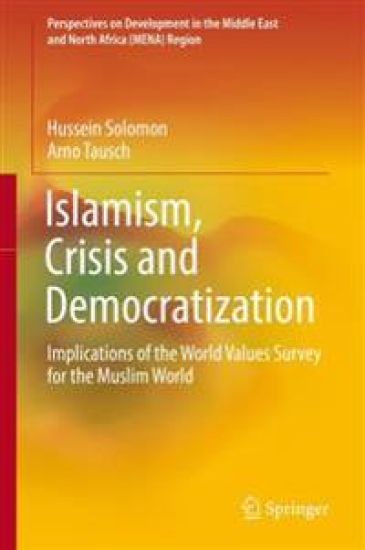
This book systematically assesses the value systems of active Muslims around the globe. Based on a multivariate analysis of recent World Values Survey data, it sheds new light on Muslim opinions and values in countries such as Indonesia, Iran, Tunisia, Egypt and Turkey. Due to a lack of democratic traditions, sluggish economic growth, escalating religiously motivated violence, and dissatisfaction with ruling elites in many Muslim countries, the authors identify a crisis and return to conservative values in the Muslim world, including anti-Semitism, religious and sexual intolerance, and views on democracy and secularism, business and economic matters. Based on these observations, they offer recommendations for policymakers and civil societies in Muslim countries on how to move towards tolerance, greater democratization and more rapid economic growth.
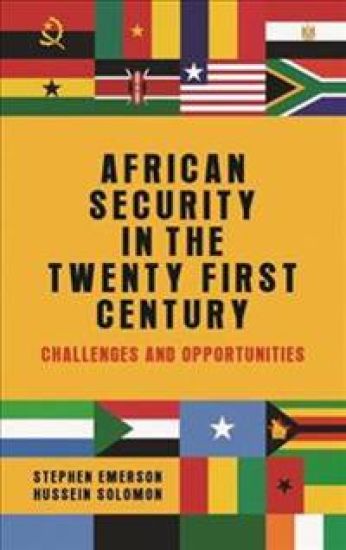
This book explores and analyses the evolving African security paradigm in light of the multitude of diverse threats and challenges facing the continent and the international community. It challenges current thinking and traditional security constructs as woefully inadequate to meet the real security needs of African governments and their 1 billion plus citizens in an increasingly globalised and interdependent world. Through the lens of human security the authors’ examine the continent’s most pressing security challenges—from identity conflict and failing states to terrorism, disease, and environmental degradation—and in doing so provide a comprehensive look at the complexities of building peace and stability in modern-day Africa. Not only does the book critically assess the state of progress in addressing security challenges, but it presents new strategies and tools for more effectively engaging Africans and the global community in their common search for solutions.
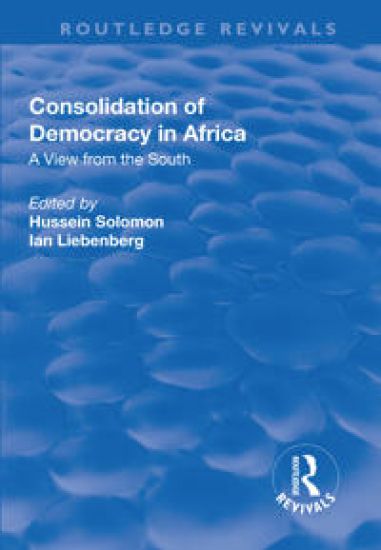
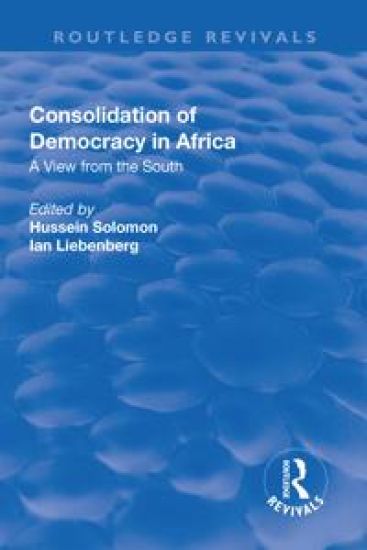
This title was first published in 2000: The continent of Africa is undergoing great change. While on the one hand there is talk of a re-awakening of Africa or Renaissance various countries in Africa are still plagued by poverty, intra- and interstate violence. In some countries the legacy of neo-colonialism and under development contributed to social strife and the potential criminalization of the State. This book addresses the topic of democratization and sustainable democracy in Africa against this background.
This book systematically assesses the value systems of active Muslims around the globe. Based on a multivariate analysis of recent World Values Survey data, it sheds new light on Muslim opinions and values in countries such as Indonesia, Iran, Tunisia, Egypt and Turkey. Due to a lack of democratic traditions, sluggish economic growth, escalating religiously motivated violence, and dissatisfaction with ruling elites in many Muslim countries, the authors identify a crisis and return to conservative values in the Muslim world, including anti-Semitism, religious and sexual intolerance, and views on democracy and secularism, business and economic matters. Based on these observations, they offer recommendations for policymakers and civil societies in Muslim countries on how to move towards tolerance, greater democratization and more rapid economic growth.
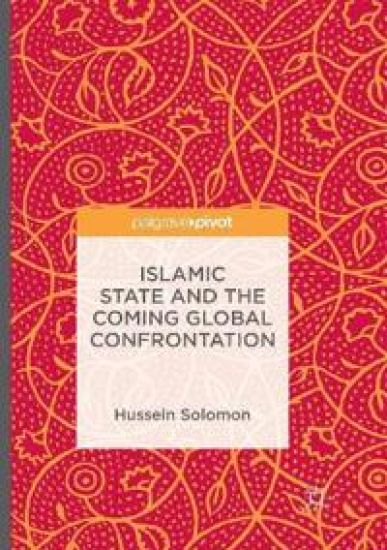
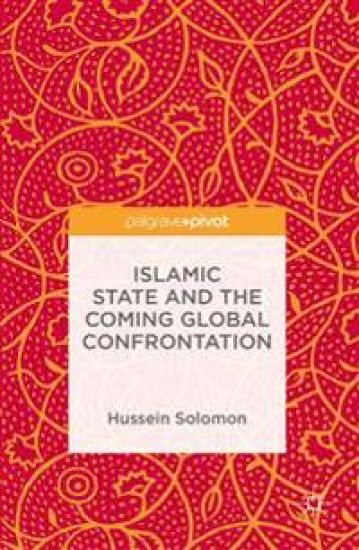
This book analyzes the origins and organizational structure of Islamic State (IS), examining its military triumphs and success in securing new recruits via social media. From its base in Iraq and Syria, IS has spread globally with 17 regional affiliates from Indonesia to Nigeria and sleeper cells in at least 60 countries, capable of atrocities like the Paris attack. To understand the threat of IS, this book explores its organizational structure and underlying ideology, and implications for Western efforts to attack the leadership of IS. The ways IS has grown by swiftly adapting its military strategy, developing creative forms of funding and efforts to win hearts and minds of locals are identified. The author highlights how the competing individual national interests between the Western military alliance and local partners have served to strengthen IS. With its ideology spreading ever further, this book warns of the looming violent confrontation between democratic and Islamist forces. This volume speaks to academics in international relations, security studies and strategic studies, policy-makers and interested parties.
This book explores and analyses the evolving African security paradigm in light of the multitude of diverse threats and challenges facing the continent and the international community. It challenges current thinking and traditional security constructs as woefully inadequate to meet the real security needs of African governments and their 1 billion plus citizens in an increasingly globalised and interdependent world. Through the lens of human security the authors’ examine the continent’s most pressing security challenges—from identity conflict and failing states to terrorism, disease, and environmental degradation—and in doing so provide a comprehensive look at the complexities of building peace and stability in modern-day Africa. Not only does the book critically assess the state of progress in addressing security challenges, but it presents new strategies and tools for more effectively engaging Africans and the global community in their common search for solutions.
This title was first published in 2000: The continent of Africa is undergoing great change. While on the one hand there is talk of a re-awakening of Africa or Renaissance various countries in Africa are still plagued by poverty, intra- and interstate violence. In some countries the legacy of neo-colonialism and under development contributed to social strife and the potential criminalization of the State. This book addresses the topic of democratization and sustainable democracy in Africa against this background.
This book analyzes the origins and organizational structure of Islamic State (IS), examining its military triumphs and success in securing new recruits via social media. From its base in Iraq and Syria, IS has spread globally with 17 regional affiliates from Indonesia to Nigeria and sleeper cells in at least 60 countries, capable of atrocities like the Paris attack. To understand the threat of IS, this book explores its organizational structure and underlying ideology, and implications for Western efforts to attack the leadership of IS. The ways IS has grown by swiftly adapting its military strategy, developing creative forms of funding and efforts to win hearts and minds of locals are identified. The author highlights how the competing individual national interests between the Western military alliance and local partners have served to strengthen IS. With its ideology spreading ever further, this book warns of the looming violent confrontation between democratic and Islamist forces. This volume speaks to academics in international relations, security studies and strategic studies, policy-makers and interested parties.