Kirjojen hintavertailu. Mukana 12 595 353 kirjaa ja 12 kauppaa.

Kirjailija

Ian Watt

Kirjat ja teokset yhdessä paikassa: 8 kirjaa, julkaisuja vuosilta 1981-2015, suosituimpien joukossa The Rise of the Novel: Studies in Defoe, Richardson and Fielding. Vertaile teosten hintoja ja tarkista saatavuus suomalaisista kirjakaupoista.

8 kirjaa

Kirjojen julkaisuhaarukka 1981-2015.

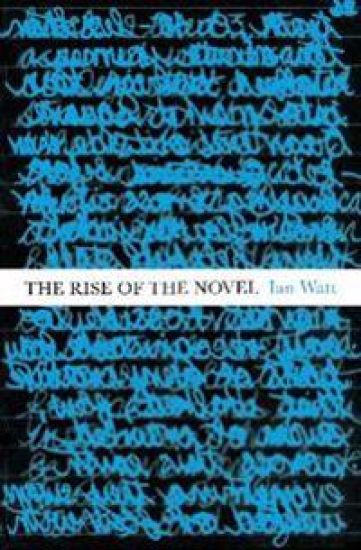
Rise Of The Novel

Rise Of The Novel

Ian Watt

Vintage Publishing
2015
pokkari
In the space of a single generation, three eighteenth-century writers - Daniel Defoe, Samuel Richardson and Henry Fielding - invented an entirely new genre of writing: the novel. This book explains why these authors wrote in the way that they did, and how the complex changes in society - the emergence of the middle-class and more.
The Rise of the Novel: Studies in Defoe, Richardson and Fielding
The Rise of the Novel: Studies in Defoe, Richardson and Fielding by Ian Watt is a comprehensive study of the emergence and development of the novel as a literary genre in 18th century England. The book examines the works of three major novelists of the time - Daniel Defoe, Samuel Richardson, and Henry Fielding - and their contributions to the evolution of the novel form.Ian Watt explores how these writers used the novel to reflect the social, political, and cultural changes of their time, and how they created new narrative techniques and conventions that would shape the novel for centuries to come. The book also analyzes the themes and motifs that are common to these writers, such as the representation of the individual in society, the role of women, and the tension between reason and passion.The Rise of the Novel is a seminal work in the field of literary criticism and has become a classic of English literary studies. It offers a deep and insightful analysis of the historical, cultural, and literary context of the emergence of the novel as a genre, and sheds light on the enduring significance of the works of Defoe, Richardson, and Fielding.This is a new release of the original 1962 edition.This scarce antiquarian book is a facsimile reprint of the old original and may contain some imperfections such as library marks and notations. Because we believe this work is culturally important, we have made it available as part of our commitment for protecting, preserving, and promoting the world's literature in affordable, high quality, modern editions, that are true to their original work.
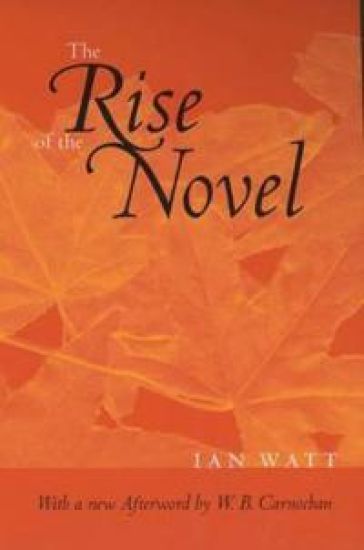
The Rise of the Novel

The Rise of the Novel

Ian Watt

University of California Press
2001
pokkari
"The Rise of the Novel" is Ian Watt's classic description of the interworkings of social conditions, changing attitudes, and literary practices during the period when the novel emerged as the dominant literary form of the individualist era. In a new foreword, W.B. Carnochan accounts for the increasing interest in the English novel, including the contributions that Ian Watt's study made to literary studies: his introduction of sociology and philosophy to traditional criticism.
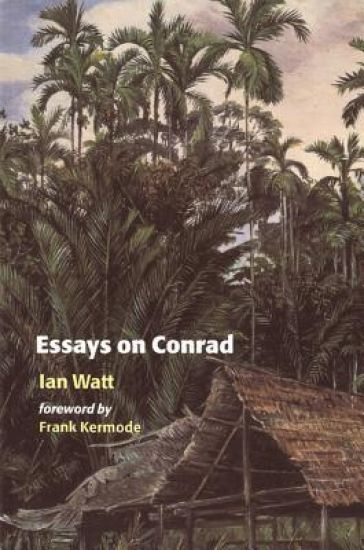
Essays on Conrad

Essays on Conrad

Ian Watt; Frank Kermode

Cambridge University Press
2000
pokkari
Ian Watt (1917–1999) has long been acknowledged as one of the finest of post-War literary critics. The Rise of the Novel (1957) is still the landmark account of the way in which realist fiction developed in the eighteenth century and Watt’s work on Conrad has been enormously influential. Conrad in the Nineteenth Century (1979) was to have been followed by a volume addressing Conrad’s later work, but the material for this long-awaited second volume remains in essay form. It is these essays, as Frank Kermode points out in his foreword, which form the nucleus of Essays on Conrad. Watt’s own worldview, as well as his insight into Conrad’s work, was shaped by his experiences as a prisoner of war on the River Kwai. His personal, and painfully moving, account of these experiences forms part of his famous essay ‘The Bridge over the River Kwai as Myth’ which completes this essential collection.
Essays on Conrad

Essays on Conrad

Ian Watt; Frank Kermode

Cambridge University Press
2000
sidottu
Ian Watt (1917–1999) has long been acknowledged as one of the finest of post-War literary critics. The Rise of the Novel (1957) is still the landmark account of the way in which realist fiction developed in the eighteenth century and Watt’s work on Conrad has been enormously influential. Conrad in the Nineteenth Century (1979) was to have been followed by a volume addressing Conrad’s later work, but the material for this long-awaited second volume remains in essay form. It is these essays, as Frank Kermode points out in his foreword, which form the nucleus of Essays on Conrad. Watt’s own worldview, as well as his insight into Conrad’s work, was shaped by his experiences as a prisoner of war on the River Kwai. His personal, and painfully moving, account of these experiences forms part of his famous essay ‘The Bridge over the River Kwai as Myth’ which completes this essential collection.
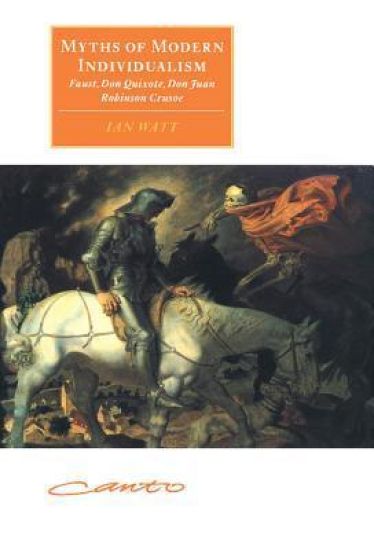
Myths of Modern Individualism

Myths of Modern Individualism

Ian Watt

Cambridge University Press
1996
sidottu
In this volume, Ian Watt examines the myths of Faust, Don Quixote, Don Juan and Robinson Crusoe, as the distinctive products of modern society. He traces the way the original versions of Faust, Don Quixote and Don Juan - all written within a forty-year period during the Counter Reformation - presented unflattering portrayals of the three figures, while the Romantic period two centuries later recreated them as admirable and even heroic. The twentieth century retained their prestige as mythical figures, but with a new note of criticism. Robinson Crusoe came much later than the other three, but his fate can be seen as representative of the new religious, economic and social attitudes which succeeded the Counter-Reformation. The four figures help to reveal problems of individualism in the modern period: solitude, narcissism, and the claims of the self versus the claims of society. They all pursue their own view of what they should be, raising strong questions about their heroes’ character and the societies whose ideals they reflect.