Kirjojen hintavertailu. Mukana 12 411 831 kirjaa ja 12 kauppaa.

Kirjailija

Ida B Wells-Barnett

Kirjat ja teokset yhdessä paikassa: 49 kirjaa, julkaisuja vuosilta 1991-2025, suosituimpien joukossa Selected Works of Ida B. Wells-Barnett. Vertaile teosten hintoja ja tarkista saatavuus suomalaisista kirjakaupoista.

Mukana myös kirjoitusasut: Ida B. Wells-Barnett, Ida B Wells Barnett, Ida B Wells- Barnett

49 kirjaa

Kirjojen julkaisuhaarukka 1991-2025.

Selected Works of Ida B. Wells-Barnett

Selected Works of Ida B. Wells-Barnett

Ida B. Wells-Barnett

Oxford University Press Inc
1991
sidottu
Four of Ida B. Wells-Barnett's moving anti-lynching essays are presented in this volume. Written during the height of the lynching craze at the turn of the century, they elegantly speak of the pain and loss caused by racist thought and action.
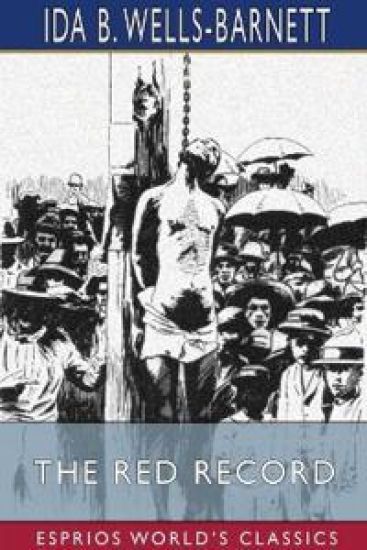
The Red Record (Esprios Classics)

The Red Record (Esprios Classics)

Ida B Wells-Barnett

Blurb
2025
pokkari
Ida Bell Wells-Barnett (July 16, 1862 - March 25, 1931) was an American investigative journalist, educator, and early leader in the civil rights movement. She was one of the founders of the National Association for the Advancement of Colored People (NAACP). Over the course of a lifetime dedicated to combating prejudice and violence, and the fight for African-American equality, especially that of women, Wells arguably became the most famous Black woman in America. Born into slavery in Holly Springs, Mississippi, Wells was freed by the Emancipation Proclamation during the American Civil War. At the age of 16, she lost both her parents and her infant brother in the 1878 yellow fever epidemic. She went to work and kept the rest of the family together with the help of her grandmother.
Southern Horrors (Esprios Classics)

Southern Horrors (Esprios Classics)

Ida B Wells-Barnett

Blurb
2025
pokkari
Ida Bell Wells-Barnett (July 16, 1862 - March 25, 1931) was an American investigative journalist, educator, and early leader in the civil rights movement. She was one of the founders of the National Association for the Advancement of Colored People (NAACP). Over the course of a lifetime dedicated to combating prejudice and violence, and the fight for African-American equality, especially that of women, Wells arguably became the most famous Black woman in America. Born into slavery in Holly Springs, Mississippi, Wells was freed by the Emancipation Proclamation during the American Civil War. At the age of 16, she lost both her parents and her infant brother in the 1878 yellow fever epidemic. She went to work and kept the rest of the family together with the help of her grandmother.
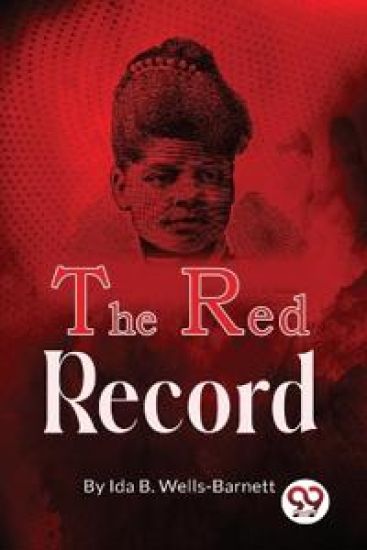
The Red Record

The Red Record

Ida B Wells-Barnett

Anson Street Press
2025
pokkari
"The Red Record: Tabulated Statistics and Alleged Causes of Lynching in the United States" by Ida B. Wells-Barnett is a powerful and unflinching examination of racial violence in late 19th-century America. This meticulously documented study, a landmark work in American history, presents stark statistics and compelling analysis of lynching as a tool of racial terror against African Americans during the Jim Crow era. Wells-Barnett's groundbreaking work fearlessly confronts the alleged justifications for lynching, dismantling the prevailing narratives used to excuse these acts of brutality. "The Red Record" serves as a crucial historical document, revealing the systemic nature of racial discrimination and the urgent need for social reform. Its impact resonates to this day, offering invaluable insight into the complexities of race relations in the United States and the enduring struggle for justice. This edition preserves the original text, allowing readers to engage directly with Wells-Barnett's vital research and impassioned plea for equality.This work has been selected by scholars as being culturally important, and is part of the knowledge base of civilization as we know it.This work is in the public domain in the United States of America, and possibly other nations. Within the United States, you may freely copy and distribute this work, as no entity (individual or corporate) has a copyright on the body of the work.Scholars believe, and we concur, that this work is important enough to be preserved, reproduced, and made generally available to the public. We appreciate your support of the preservation process, and thank you for being an important part of keeping this knowledge alive and relevant.
Mob Rule in New Orleans (Esprios Classics)
Ida Bell Wells-Barnett (July 16, 1862 - March 25, 1931) was an American investigative journalist, educator, and early leader in the civil rights movement. She was one of the founders of the National Association for the Advancement of Colored People (NAACP). Over the course of a lifetime dedicated to combating prejudice and violence, and the fight for African-American equality, especially that of women, Wells arguably became the most famous Black woman in America. Born into slavery in Holly Springs, Mississippi, Wells was freed by the Emancipation Proclamation during the American Civil War. At the age of 16, she lost both her parents and her infant brother in the 1878 yellow fever epidemic. She went to work and kept the rest of the family together with the help of her grandmother.
Sinn Fein: An Illumination (Edition1)

Sinn Fein: An Illumination (Edition1)

Ida B Wells-Barnett

Alpha Editions
2024
nidottu
Southern Horrors: Lynch Law in All Its Phases, a classical book, has been considered important throughout the human history, and so that this work is never forgotten we at Alpha Editions have made efforts in its preservation by republishing this book in a modern format for present and future generations. This whole book has been reformatted, retyped and designed. These books are not made of scanned copies of their original work and hence the text is clear and readable.
Southern Horrors

Southern Horrors

Ida B. Wells-Barnett

Double 9 Books LLP
2023
nidottu
"Southern Horrors: Lynch Law in All Its Phases" is a book written by Ida B. Wells-Barnett, an African American journalist, and civil rights activist. This gruesome history of lynching in the American South is documented in the book, along with its effects on the African American community. The legacy of slavery, the collapse of the rule of law in the South, and the emergence of white supremacist ideology are just a few of the cultural and socioeconomic issues that Wells-Barnett presents a detailed examination of. She also exposes the role of the media in continuing and justifying the violence, stating that newspapers and other publications frequently sensationalized the accounts of purported crimes perpetrated by black men, leading to demands for vigilante punishment. The book also highlights the courageous efforts of African American activists like Wells-Barnett herself, who risked their lives to speak out against lynching and demand justice for its victims. Wells-Barnett's work served to increase awareness of the atrocities of lynching and played a key part in the campaign for civil rights and racial justice in the United States. In conclusion, "Southern Horrors" is a strong and significant work that illuminates a troubling period in American history and the continuing fight for justice and equality in the country.
On Lynchings

On Lynchings

Ida B. Wells-Barnett

BLOOMSBURY PUBLISHING PLC
2022
nidottu
Though the end of the Civil War brought legal emancipation to African-American people, it is a fact of history that their social oppression continued long after. The most virulent form of this ongoing persecution was the practice of lynching carried out by mob rule, often as local law enforcement officials looked the other way. During the 1880s and 1890s, more than 100 African Americans per year were lynched, and in 1892 alone the toll of murdered men and women reached a peak of 161. In that awful year, the twenty-three-year-old Ida B. Wells, the editor of a small newspaper for blacks in Memphis, Tennessee, raised one lone voice of protest. In her paper she charged that white businessmen had instigated three local lynchings against their black competitors. In retaliation for her outspoken courage a goon-squad of angry whites destroyed her editorial office and print shop, and she was forced to flee the South and move to New York City. So began a crusade against lynching which became the focus of her long, active, and very courageous life. In New York she began lecturing against the abhorrent vigilante practice and published her first pamphlet on the subject called "Southern Horrors". After moving to Chicago and marrying lawyer Ferdinand Barnett, she continued her campaign, publishing A Red Record in 1895 and Mob Rule in New Orleans, about the race riots in that city, in 1900. All three of these documents are here collected in this work, a shocking testament to cruelty and the dark American legacy of racial prejudice. Anticipating possible accusations of distortion, Wells-Barnett was careful to present factually accurate evidence and she deliberately relied on southern white sources as well as statistics gathered by the Chicago Tribune. Using the words of white journalists, she created a damning indictment of unpunished crimes that was difficult to dispute since southern white men who had witnessed the appalling incidents had written the descriptions. Along with her husband she played an active role in the founding of the National Association for the Advancement of Colored People (NAACP). Due to her efforts, the NAACP launched an intensive campaign against lynching after World War I. Her work remains important to this day not only as a cry of protest against injustice but also as valuable historical documentation of terrible crimes that must never be forgotten. This edition is enhanced by an introduction by Patricia Hill Collins is an American academic specialising in race, class and gender. She is a Distinguished University Professor of Sociology at the University of Maryland, College Park. She is also the former head of the Department of African-American Studies at the University of Cincinnati, and a past President of the American Sociological Association.
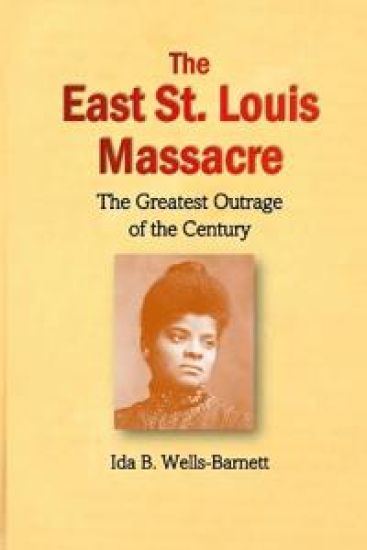
The East St. Louis Massacre

The East St. Louis Massacre

Ida B Wells-Barnett

Lulu.com
2022
pokkari
"Wells...provided damning descriptions of the melee that claimed one too many black lives." -Concrete Demands: The Search for Black Power in the 20th Century (2014) "To Wells...the events at East St. Louis combined some of the worst racist elements...in three days of rioting, 39 African Americans were killed." -Ida B. Wells-Barnett and American Reform (2003) "Her account of the riot which included interviews with riot victims documenting the violent participation of both the National Guard and the East St. Louis police, helped spur a congressional investigation." -To Tell the Truth Freely: The Life of Ida B. Wells (2009) Who was to blame for the East St. Louis Massacre of 1917, a series of outbreaks race-related violence resulting in the deaths of from 40 to 250 African-Americans? Ida B. Wells answers this question in her once government-censored 1917 book "The East St. Louis Massacre." Another 6,000 blacks were left homeless and the burning and vandalism cost approximately $400,000 ($7,982,000 in 2020) in property damage. In describing the scene in East St. Louis, after she arrived in the aftermath of the riot, Wells writes: "No one molested me in my walk from the station to the City Hall, although I did not see a single colored person until I reached the City Hall building. I accosted the lone individual in soldier's uniform at the depot, a mere boy with a gun, and asked him if the governor was in town. When he said no, he had gone to Washington the night before, I asked how the situation was and he said, 'bad.' I asked what was the trouble and he said, 'The Negroes won't let the whites alone. They killed seven yesterday and three already this morning.'" The ferocious brutality of the attacks and the failure of authorities to protect innocent lives contributed to the radicalization of many blacks in St. Louis and the nation. Marcus Garvey, black nationalist leader of the UNIA from Jamaica, declared in a July 8 speech that the riot was "one of the bloodiest outrages against mankind" and a "wholesale massacre of our people", insisting that "This is no time for fine words, but a time to lift one's voice against the savagery of a people who claim to be the dispensers of democracy." In New York City on July 28, ten thousand black people marched down Fifth Avenue in a Silent Parade, protesting the East St. Louis Massacre. They carried signs that highlighted protests about the massacre.