Kirjojen hintavertailu. Mukana 12 595 353 kirjaa ja 12 kauppaa.
Kirjailija
Igor Stravinsky
Kirjat ja teokset yhdessä paikassa: 20 kirjaa, julkaisuja vuosilta 1970-2026, suosituimpien joukossa Plays. Vertaile teosten hintoja ja tarkista saatavuus suomalaisista kirjakaupoista.
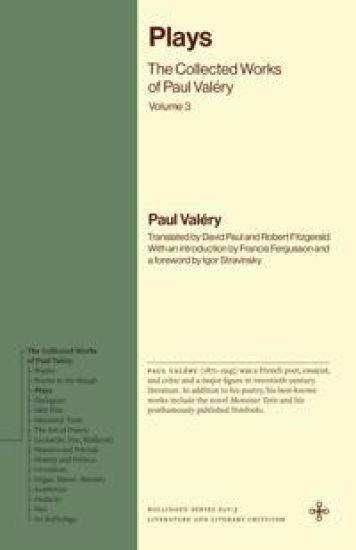
Valéry’s complete writings for the theater This volume gathers all of Paul Valéry’s writings for the theater. It includes My Faust, Valéry’s last major work, which is composed of two unfinished Faust plays, Luste, or the Crystal Girl and The Only One. Plays also presents three allegorical verse plays that were written for music and performed at the Paris Opera: Amphion and Semiramis, with music by Arthur Honegger; and The Narcissus Cantata, with music by Germaine Tailleferre. The Collected Works of Paul Valéry, the first collected edition of the writer in English, features new translations, the original French on facing pages for poetic works, and editorial notes.
Valéry’s complete writings for the theater This volume gathers all of Paul Valéry’s writings for the theater. It includes My Faust, Valéry’s last major work, which is composed of two unfinished Faust plays, Luste, or the Crystal Girl and The Only One. Plays also presents three allegorical verse plays that were written for music and performed at the Paris Opera: Amphion and Semiramis, with music by Arthur Honegger; and The Narcissus Cantata, with music by Germaine Tailleferre. The Collected Works of Paul Valéry, the first collected edition of the writer in English, features new translations, the original French on facing pages for poetic works, and editorial notes.
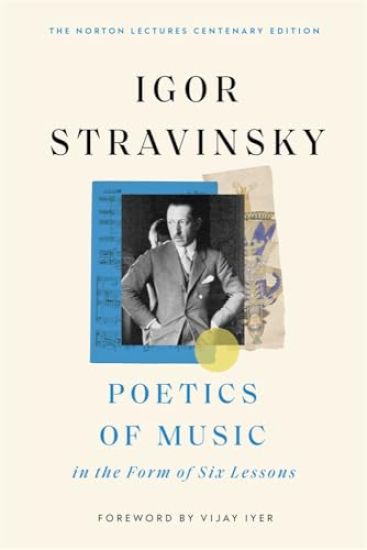
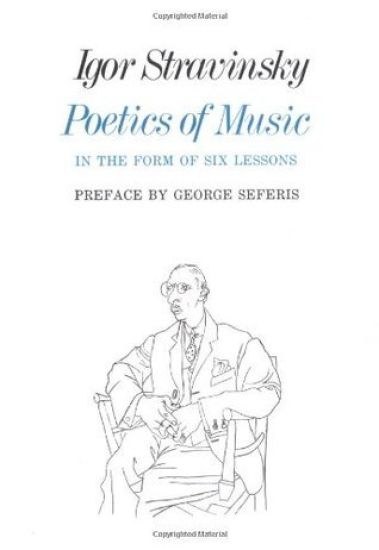
Timeless lessons on the pleasures of listening, the dilemmas of composition, and the meaning of artistic freedom from a founder of musical modernism.In October 1939, Igor Stravinsky took the stage at Harvard not as a conductor but as a speaker. Invited to deliver the prestigious Norton Lectures, he had departed Europe just days after the outbreak of war, leaving behind not only a growing political maelstrom but also his life in France, where his wife, eldest daughter, and mother all had died in the previous year.Poetics of Music offers a snapshot of this pivotal moment in the composer’s biography and career. Delivered at the height of his neoclassical period, which blended the sculptural precision of classicism with distinctively twentieth-century cadences, Stravinsky’s lectures explore both the creative potential and the constraints of tradition. Though he achieved artistic immortality as a genre-defying experimentalist who scandalized audiences in Belle Époque Paris, the Stravinsky we find here is more circumspect, defending the dignity of formal conventions against the more anarchic currents of modernist experimentation. Tradition, he argues, is not a relic of a bygone past but a living force that animates the present. And true artistic freedom emerges not only in moments of revolutionary inspiration but also through strict deference to the formal requirements of the work.Like his compositions, Stravinsky’s lectures are ambitious and at times bombastic, punctuated by wit and polemic. Ranging widely from the phenomenology of rhythm to the fate of high culture in the Soviet Union, he invites us to reflect on what it is in music that compels us, whether we are hearing one of his polytonal works or a simple birdsong.
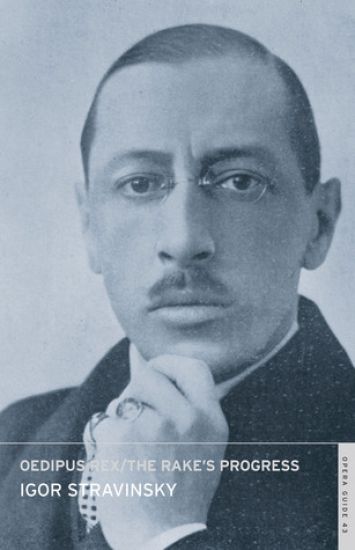
Stravinsky’s genius for the stage is here represented by two very different works. Oedipus Rex (1927) is the fruit of a collaboration with Jean Cocteau, in which the Sophocles tragedy is pared down to make an opera-oratorio of overwhelming impact. Judith Weir analyses how this is achieved: the Latin text has an immediacy which is sometimes even comic, and the vibrant rhythms are reminiscent of the Italian operatic tradition – explored by David Nice in his analysis of the score. The libretto of The Rake’s Progress (1951) by W.H. Auden and Chester Kallman is one of the greatest English opera texts. In a survey of the composition period, Roger Savage examines the contributions of the different collaborators.Contents: The Person of Fate and the Fate of the Person: ‘Oedipus Rex’, David Nice; ‘Oedipus Rex’: A Personal View, Judith Weir; On an Oratorio, Jean Cocteau; Oedipus Rex: Libretto by Jean Cocteau, translated into Latin by Jean Daniélou; Oedipus Rex: English translation of the narration by e. e. cummings and of the Latin text by Deryck Cooke; Making a Libretto: Three Collaborations over ‘The Rake’s Progress’, Roger Savage; The New and the Classical in ‘The Rake’s Progress’, Brian Trowell; The Rake’s Progress: Libretto by W.H. Auden and Chester Kallman
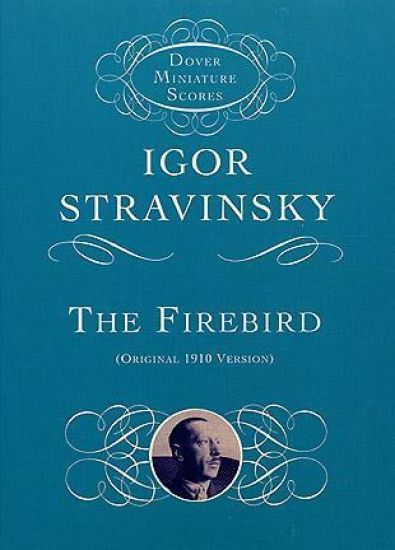
Based on Russian fairy tales, Stravinsky's modern masterpiece brought overnight success to its composer. Greatly admired for its brilliant orchestration, harmony.
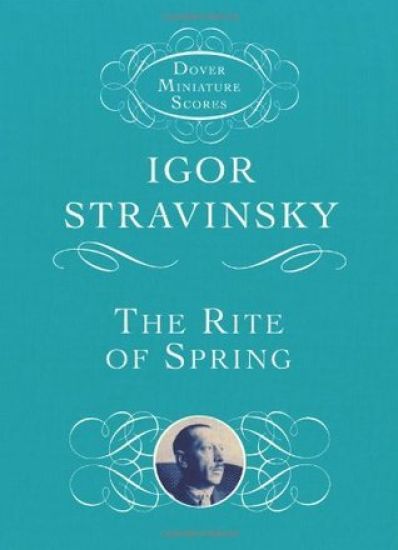
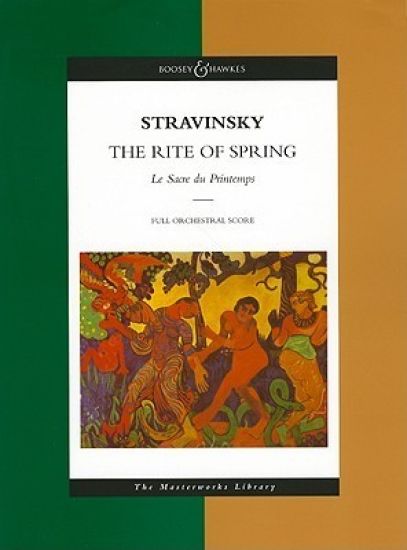
With this brilliant and uncompromising work -- perhaps the most famous musical work of the twentieth century -- Stravinsky changed the course of modern music forever. Discarding conventional harmonies for bizarrely dissonant chords, and uniform metrics for harshly jarring beat patterns, he created a sensational theater piece that, at the work's 1931 premier, caused the music world's most talked-about riot. "Every law of musical syntax, every canon of harmony seems to have been violated, every limit of rhythmic perversity and eccentricity of orchestration exceeded in this tumultuous cataclysm of sound," says Grove's; "yet with all its deliberate crudity and violence the 'Rite' is a clearly planned and perfectly controlled and coordinated piece of music that] has long been accepted universally as a masterpiece and is in the repertory of every large symphony orchestra." Reproduced here from an authoritative edition, the score is ideal for study in the classroom, at home, or in the concert hall. This affordable, durable, and portable volume will be the edition of choice for music students and music lovers alike.
th-century masterpiece, brilliantly orchestrated, with Russian folksong and new, striking harmonies. General Note. Stage Directions. Instrumentation. All French and English materials newly translated.
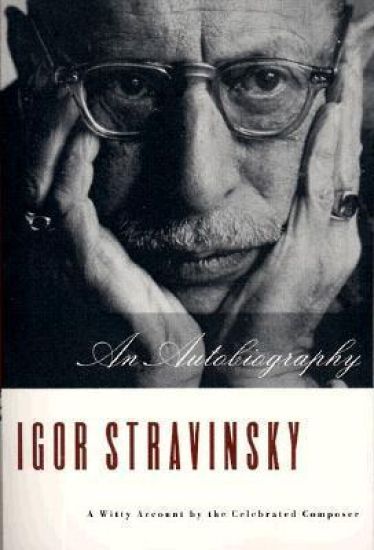
An Autobiography chronicles the first half-century of Stravinsky's life, all the while offering his opinions and "abhorrences." A Parsifal performance at Bayreuth? "At the end of a quarter of an hour I could bear no more." Nijinsky? "The poor boy knew nothing of music." Spanish folk music? "Endless preliminary chords of guitar playing."
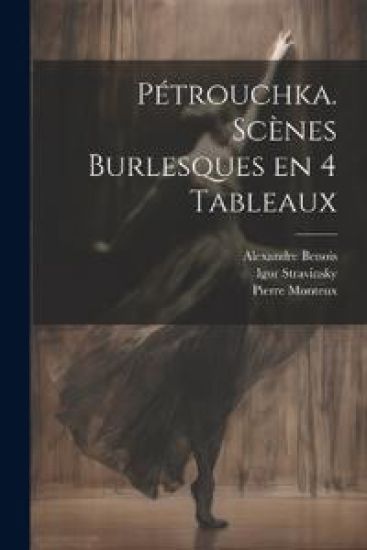
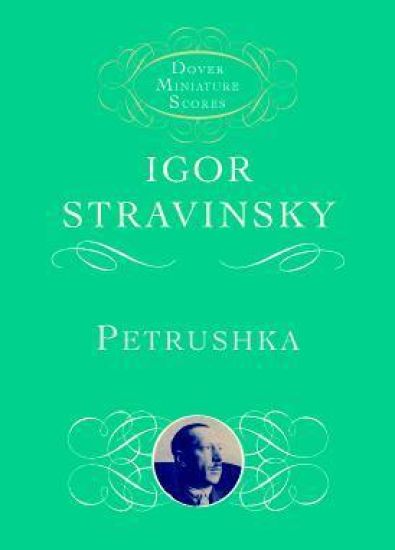
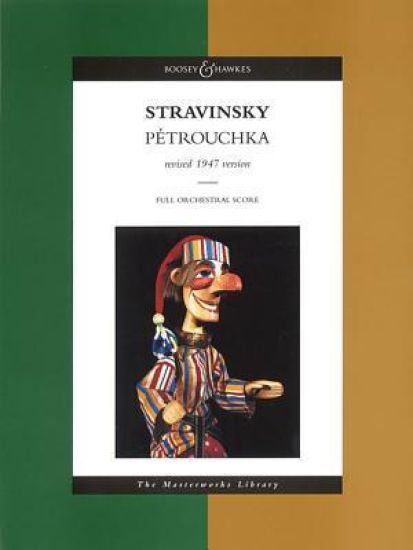
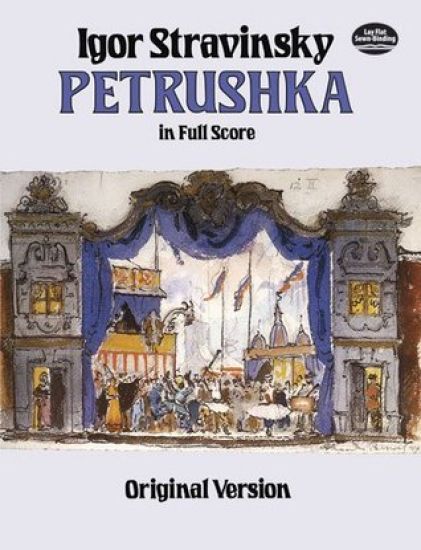
Definitive original edition of the 20th-century classic: Stravinsky's score for the Ballets Russes masterpiece "Petrushka, " the bizarre tale of three dancing puppets brought to life. First produced in Paris in 1911. The finest inexpensive edition available. Includes an English translation of the stage directions and preliminary matter and a detailed new Table of Contents.
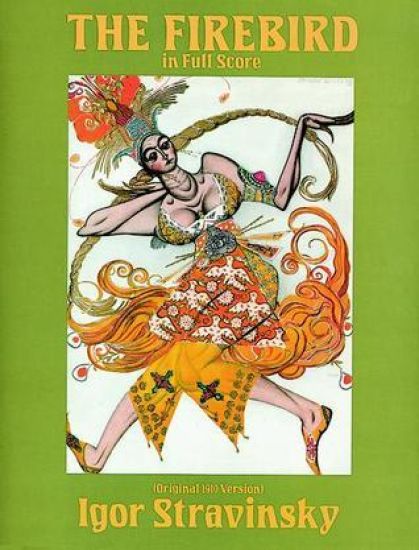
"Brilliant orchestration, glowing color . . . an extraordinary evocative power which literally enchants the listener." -- "Grove's Dictionary." Handsome, unabridged, inexpensive edition of the modern masterpiece based on Russian fairy tales. Reprinted from authoritative Russian edition. Includes list of characters and instruments, plus new English translation of Table of Contents.
One of the greatest of contemporary composers has here set down in delightfully personal fashion his general ideas about music and some accounts of his own experience as a composer. Every concert-goer and lover of music will take keen pleasure in his notes about the essential features of music, the process of musical composition, inspiration, musical types, and musical execution. Throughout the volume are to he found trenchant comments on such subjects as Wagnerism, the operas of Verdi, musical taste, musical snobbery, the influence of political ideas on Russian music under the Soviets, musical improvisation as opposed to musical construction, the nature of melody, and the function of the critic of music. Musical people of every sort will welcome this first presentation in English of an unusually interesting book.