
Kirjailija
Ilan Pappe
Kirjat ja teokset yhdessä paikassa: 52 kirjaa, julkaisuja vuosilta 1988-2026, suosituimpien joukossa A Very Short History of Gaza. Vertaile teosten hintoja ja tarkista saatavuus suomalaisista kirjakaupoista.
Mukana myös kirjoitusasut: Ilan Pappé
52 kirjaa
Kirjojen julkaisuhaarukka 1988-2026.
The World Today Series: The Middle East and South Asia. More than a quarter of the world’s population live in the Middle East and South Asia, yet our knowledge and understanding of the region is often limited to news updates about the latest conflicts and crises. This edition of the annually updated volume of the World Today Series provides important insights that take the reader beyond the headlines. It offers detailed and up-to-date information about the politics, economies and societies of the twenty-four states that make up the region. Contemporary events are placed in their historical context, through an examination of major civilizations and key historical events. This volume introduces major themes that have shaped the region, including the struggles of ordinary people to achieve democratic rights; the role of oil in shaping society; burgeoning environmental threats; and the rise and fall of the Islamic State caliphate. While there is reason for optimism in regards to the Middle East and South Asia, this is tempered by the very real challenges that confront the region. The general reader will gain an understanding of these challenges and opportunities through an exploration of current and past developments.

The World Today Series: The Middle East and South Asia. More than a quarter of the world’s population live in the Middle East and South Asia, yet our knowledge and understanding of the region is often limited to news updates about the latest conflicts and crises. This edition of the annually updated volume of the World Today Series provides important insights that take the reader beyond the headlines. It offers detailed and up-to-date information about the politics, economies and societies of the twenty-four states that make up the region. Contemporary events are placed in their historical context, through an examination of major civilizations and key historical events. This volume introduces major themes that have shaped the region, including the struggles of ordinary people to achieve democratic rights; the role of oil in shaping society; burgeoning environmental threats; and the rise and fall of the Islamic State caliphate. While there is reason for optimism in regards to the Middle East and South Asia, this is tempered by the very real challenges that confront the region. The general reader will gain an understanding of these challenges and opportunities through an exploration of current and past developments.
Tracing the history of Palestine from the Ottomans in the nineteenth century, through the British Mandate, the establishment of the state of Israel in 1948, and the subsequent wars and conflicts which have dominated this troubled region, Ilan Pappe's widely acclaimed A History of Modern Palestine provides a balanced and forthright overview of Palestine's complex history. Placing at its centre the voices of the men, women, children, peasants, workers, town-dwellers, Jews and Arabs of Palestine, who lived through these times, this tells a story of co-existence and co-operation, as well as oppression, occupation, and exile, exposing patterns of continuity as well as points of fracture. Now in an updated third edition, Pappe draws links between contemporary events, from war in Lebanon, violence in the Gaza Strip and the Arab Spring, with the long history of Palestine, taking into account the success of Israel without neglecting the on-going catastrophe suffered by Palestinians, leaving hope for a better future for all who live in, or were expelled, from Palestine.
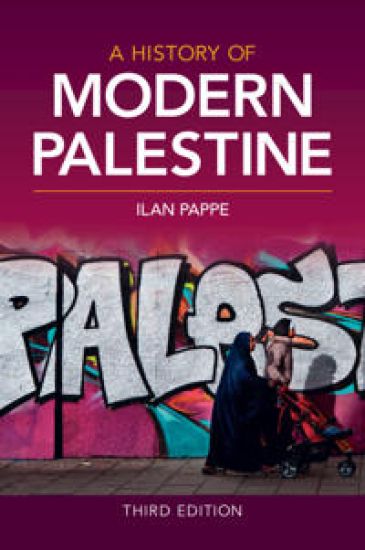
Tracing the history of Palestine from the Ottomans in the nineteenth century, through the British Mandate, the establishment of the state of Israel in 1948, and the subsequent wars and conflicts which have dominated this troubled region, Ilan Pappe's widely acclaimed A History of Modern Palestine provides a balanced and forthright overview of Palestine's complex history. Placing at its centre the voices of the men, women, children, peasants, workers, town-dwellers, Jews and Arabs of Palestine, who lived through these times, this tells a story of co-existence and co-operation, as well as oppression, occupation, and exile, exposing patterns of continuity as well as points of fracture. Now in an updated third edition, Pappe draws links between contemporary events, from war in Lebanon, violence in the Gaza Strip and the Arab Spring, with the long history of Palestine, taking into account the success of Israel without neglecting the on-going catastrophe suffered by Palestinians, leaving hope for a better future for all who live in, or were expelled, from Palestine.
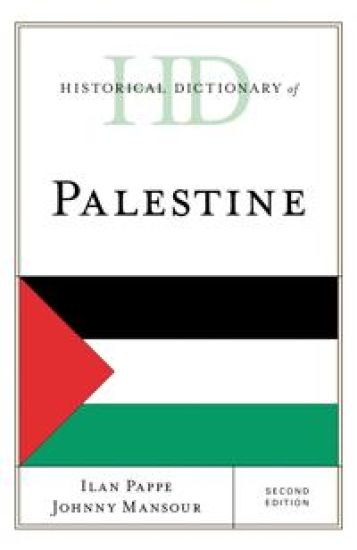
Historical Dictionary of Palestine
Ilan Pappe; Johnny Mansour
BLOOMSBURY PUBLISHING PLC
2022
sidottu
The goal of this book is to treat Palestine not as a state but as a country which in 1948 was divided to Israel, The West Bank, and the Gaza Strip. Palestinians live in all these areas and are also dwellers or refugee camps and exilic communities around the world. In our eyes they and the country as a whole are part of the history of Palestine and therefore are all included here. It is a book that regards Palestine in the period from 1800 until today as a geographical term which is still valid and relevant. Therefore, it covers different geo-political units and states that were established over the year in the country of Palestine: the late Ottoman provinces, the British Mandate, the State Israel, the West Bank, and the Gaza Strip. Half of Palestine population live in exile – in refugee camp and diasporic communities. They also have a place of honor in this book. As the story of Zionism and Israel is intertwined with that of the Palestinians, several Zionist/Israeli persons, places and events are also included in this book.Historical Dictionary of Palestine, Second Edition contains a chronology, an introduction, and an extensive bibliography. The dictionary section has more than 800 cross-referenced entries on important personalities as well as aspects of the country’s politics, economy, foreign relations, religion, and culture. This book is an excellent resource for students, researchers, and anyone wanting to know more about Palestine.
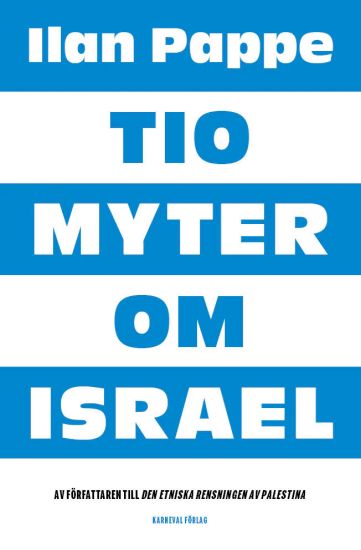
Trots att konflikten mellan palestinier och judar om landet Palestina/Israel har pågått i mer än 70 år tyder ingenting på att den skulle vara på väg att få sin lösning. Ett viktigt skäl till att konflikten kan fortgå är att vår bild av den bygger på en rad seglivade myter. I Tio myter om Israel ställer Ilan Pappe tio av de mest centrala myterna mot vad den historiska forskningen faktiskt säger. Tio myter om Israel enligt Ilan Pappe: 1. Palestina var ett land utan folk 2. Judarna var ett folk utan land 3. Sionism är judendom 4. Sionism är inte kolonialism 5. Palestinierna lämnade sitt land frivilligt 1948 6. Sexdagarskriget påtvingades Israel 7. Israel är en demokrati 8. Osloavtalet var en verklig fredsprocess 9. Gazakriget var ett krig i självförsvar 10. Tvåstatslösningen är enda lösningenIlan Pappe, född i Haifa 1954, är professor i historia och föreståndare för European Centre for Palestine Studies vid University of Exeter, England. Han har tidigare varit verksam vid Hebrew University i Jerusalem, University of Oxford och Haifa University. Ilan Pappe har skrivit en rad böcker om Israel och Palestina, bl.a. följande: The Rise and Fall of A Palestinian Dynasty: The Husaynis 17001948 (2017), The Biggest Prison on Earth: A History of the Israeli Occupation of Palestine (2015), Israel and South Africa: The Many Faces of Apartheid (2015), The Making of the Arab-Israeli Conflict, 19471951 (2015), The Idea of Israel (2014). "Ilan Pappe är en av de mest profilerade israeliska dissidenterna i exil. Han är också en av de få israeliska betraktarna av konflikten som skriver om den palestinska sidan med genuin kunskap och empati." Avi Shlaim, israelisk historiker vid university of Oxford, i Guardian"Den sionistiska framställningen av hur det omtvistade landet en gång blev staten Israel baseras på en samling myter som på ett raffinerat sätt ifrågasätter palestiniernas moraliska rätt till området. Gängse medier och politiska eliter i Väst accepterar ofta dessa myter som odisputabla sanningar och som ett berättigande av israeliska handlingar. Den tysta acceptansen av dessa myter kan ofta förklara västmakternas ovilja att ingripa med kraft i en konflikt som har pågått ända sedan den israeliska statens tillkomst. Den här boken utmanar dessa myter som vanligen framstår som odiskutabla sanningar i den offentliga debatten. Det rör sig, enligt min uppfattning, om förvrängningar och lögner som kan och måste tillbakavisas genom ett noggrant studium av de historiska vittnesbörden. Bokens tema är att ställa populära föreställningar och historiska realiteter mot varandra. I varje kapitel kommer svagheterna i gängse uppfattningar att avslöjas, när dessa kontrasteras mot historieforskningens nuvarande ståndpunkt." Ilan Pappe
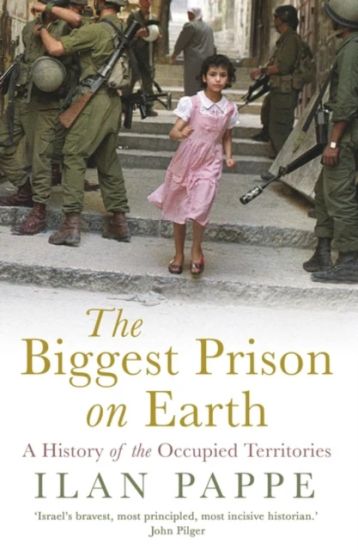
Shortlisted for the Palestine Book Awards 2017 A powerful, groundbreaking history of the Occupied Territories from one of Israel's most influential historians From the author of the bestselling study of the 1948 War of Independence comes an incisive look at the Occupied Territories, picking up the story where The Ethnic Cleansing of Palestine left off. In this comprehensive exploration of one of the world’s most prolonged and tragic conflicts, Pappe uses recently declassified archival material to analyse the motivations and strategies of the generals and politicians – and the decision-making process itself – that laid the foundation of the occupation. From a survey of the legal and bureaucratic infrastructures that were put in place to control the population of over one million Palestinians, to the security mechanisms that vigorously enforced that control, Pappe paints a picture of what is to all intents and purposes the world’s largest ‘open prison’.

Israel is not the only ‘new’ state around, but it is one of the few states whose legitimacy is still questioned, and its future affects the future of the Middle East as a whole and probably the stability of the international system. The reasons for this unique reality lie in its past and the particular historical circumstances of its birth.This book seeks to update analysis of the political history, contemporary politics, economics and foreign policy of this unique state. The first part of the book provides a general history of Israel since its inception until 2000. This general history evolves around the political development of the state, beginning with its origins in the early Zionist history (1882–1948) and ending with the turn of the century. The second part focuses on three contemporary aspects of present-day Israel: its political economy, its culture and its international relations. An epilogue describes Israel’s complex international image today and its impact on the state and its future.Providing a solid infrastructure from which readers can form their own opinions, this book offers a fresh perspective on developments both on the ground and in recent scholarship, and is essential reading for students, journalists and policy makers with an interest in Middle Eastern History, Jewish Studies and Israel Studies.

Israel is not the only ‘new’ state around, but it is one of the few states whose legitimacy is still questioned, and its future affects the future of the Middle East as a whole and probably the stability of the international system. The reasons for this unique reality lie in its past and the particular historical circumstances of its birth.This book seeks to update analysis of the political history, contemporary politics, economics and foreign policy of this unique state. The first part of the book provides a general history of Israel since its inception until 2000. This general history evolves around the political development of the state, beginning with its origins in the early Zionist history (1882–1948) and ending with the turn of the century. The second part focuses on three contemporary aspects of present-day Israel: its political economy, its culture and its international relations. An epilogue describes Israel’s complex international image today and its impact on the state and its future.Providing a solid infrastructure from which readers can form their own opinions, this book offers a fresh perspective on developments both on the ground and in recent scholarship, and is essential reading for students, journalists and policy makers with an interest in Middle Eastern History, Jewish Studies and Israel Studies.
Femti år etter starten på okkupasjonen av Vestbredden og Gaza, tar denne boken et grundig oppgjør med ti av de mest omstridte temaene i Israels historie. Fra tiden da de første jødiske bosetterne ankom Palestina frem til våre dager, viser den anerkjente israelske historikeren Ilan Pappe hvordan Israels offisielle historiefremstilling er bygget på en rekke oppkonstruerte feilslutninger, som har hatt katastrofale følger for palestinerne, og er et hinder på veien mot en fredelig løsning på konflikten. Pappe undersøker blant annet sannhetsverdien i påstandene om at palestinerne forlot sitt hjemland frivillig i 1948, og at seksdagerskrigen i 1967 var en «ufrivillig krig». Videre viser han hvordan Oslo-avtalen, fremfor å være et gjennombrudd i fredsforhandlingene, bidro til å forverre situasjonen for de okkuperte og undertrykte palestinerne og han forklarer hvorfor tostatsløsningen ikke lenger er en farbar vei. Ilan Pappe (f. 1954) er israelsk historiker og politisk aktivist. Han er professor ved Institutt for samfunnsvitenskap og internasjonale studier ved Universitetet i Exeter, og sentral i den internasjonale BDS-bevegelsen (Boycott, Divestment and Sanctions). Han er forfatter av over femten bøker, blant annet den bestselgende The Ethnic Cleansing of Palestine (2006) og The Idea of Israel (2014). Ti myter om Israel ble utgitt på Verso i 2017, og er den første av Ilan Pappes bøker som er oversatt til norsk.

Voices for Peace
Noam Chomsky; John Pilger; Ilan Pappe; Cynthia McKinney; Bruce Gagnon; Kathy Kelly; Robin Ramsay; Brian Terrell
Clairview Books
2017
nidottu
The United States’ military doctrine, as proclaimed by its Department of Defense, is to attain `full-spectrum dominance… in the air, land, maritime and space domains and information environment… without effective opposition or prohibitive interference.’ This is an agenda for global conquest – for an ever-expanding US empire. As America prepares for conflict with Russia and China, wars continue in the Middle East and North Africa, tens of millions are exiled from their homes whilst many more face famine. But there is not only hope for change in the air, there is active resistance. People all over the world are challenging the status quo by taking nonviolent action. Voices for Peace features some of the world’s leading thinkers, journalists and activists, offering insight, inspiration and solutions to the world’s most critical problems: nuclear war, environmental destruction and refugee flows. In the wealth of material presented here, Kathy Kelly talks about the Afghan Peace Volunteers and Standing Rock protesters in the USA, calling for global unity. Bruce K. Gagnon’s piece on space weapons discusses South Korean activists’ opposition to American weapons in their country. Brian Terrell challenges the legality of drone warfare and outlines the grassroots links being forged between US and Russian citizens. Noam Chomsky discusses US policies towards Russia and Syria, as well as South America, trade, ISIS and Ukraine. John Pilger talks about the Trump-Obama naval build-up around China and exposes Britain’s `deep state’ connections to the Manchester terror attack. Former US Congresswoman Cynthia McKinney analyses the Charlie Hebdo attacks and the deep state in recent US history. Ilan Pappé offers an exclusive analysis of Israel’s actions to ethnically cleanse Israel of Palestinians. Finally, Robin Ramsay exposes the unconditional support given to the USA by successive UK governments. Seeking to inform and educate, this penetrating anthology is edited and introduced by author T. J. Coles, who gives a broader framework and context to the individual articles.
In this groundbreaking book, published on the fiftieth anniversary of the Occupation, the outspoken and radical Israeli historian Ilan Pappe examines the most contested ideas concerning the origins and identity of the contemporary state of Israel.The "ten myths" that Pappe explores-repeated endlessly in the media, enforced by the military, accepted without question by the world's governments-reinforce the regional status quo. He explores the claim that Palestine was an empty land at the time of the Balfour Declaration, as well as the formation of Zionism and its role in the early decades of nation building. He asks whether the Palestinians voluntarily left their homeland in 1948, and whether June 1967 was a war of "no choice." Turning to the myths surrounding the failures of the Camp David Accords and the official reasons for the attacks on Gaza, Pappe explains why the two-state solution is no longer viable.
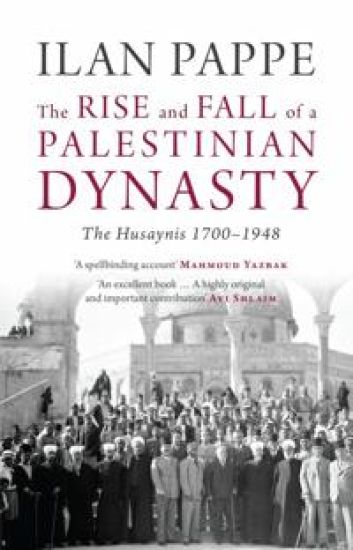
The Husayni family of Jerusalem dominated Palestinian history for 250 years, from the Ottoman times through to the end of the British Mandate. At the height of the family's political influence, positions in Jerusalem could only be obtained through its power base.In this compelling political biography, Ilan Pappe traces the rise of the Husaynis from a provincial Ottoman elite clan into the leadership of the Palestinian national movement in the twentieth century. In telling their story, Pappe highlights the continuous urban history of Jerusalem and Palestine. Shedding new light on crucial events such as the invasion of Palestine by Napoleon, the decline of the Ottoman Empire, World War I and the advent of Zionism, this remarkable account provides an unforgettable picture of the Palestinian tragedy in its entirety.
In this groundbreaking work, Ilan Pappe looks at the continued role of Zionist ideology. The Idea of Israel considers the way Zionism operates outside of the government and military in areas such as the country's education system, media, and cinema. In particular, Pappe examines the way successive generations of historians have framed the 1948 conflict as a liberation campaign, creating a foundation myth that went unquestioned in Israeli society until the 1990s.The Idea of Israel is a powerful and urgent intervention in the war of ideas concerning the past, and the future, of the Palestinian-Israeli conflict.
Co-authored by two leading voices in the struggle to liberate Palestine, an indispensable book for understanding the situation in Gaza right nowWhat is the future of the Boycott, Divestment, and Sanctions movement directed at Israel? Which is more viable, the binational or one state solution? Noam Chomsky and Ilan Pappé discuss the road ahead for Palestinians and how the international community can pressure Israel to end its human rights abuses against the people of Palestine in this urgent and timely book, a sequel to their acclaimed Gaza in Crisis.'Chomsky is a global phenomenon . . . he may be the most widely read American voice on foreign policy on the planet' The New York Times Book Review'Ilan Pappé is Israel's bravest, most principled, most incisive historian' John Pilger'This sober and unflinching analysis should be read and reckoned with by anyone concerned with practicable change in the long-suffering region' Publishers Weekly (on Gaza in Crisis)
Operation Protective Edge, Israel's most recent assault on Gaza, left thousands of Palestinians dead and cleared the way for another Israeli land grab. The need to stand in solidarity with Palestinians has never been greater. Ilan Pappe and Noam Chomsky, two leading voices in the struggle to liberate Palestine, discuss the road ahead for Palestinians and how the international community can pressure Israel to end its human rights abuses against the people of Palestine. On Palestine is the sequel to their acclaimed book Gaza in Crisis.Noam Chomsky is widely regarded to be one of the foremost critics of US foreign policy in the world. He has published numerous groundbreaking books, articles, and essays on global politics, history, and linguistics. Since 2003 he has written a monthly column for the New York Times syndicate. His recent books include Masters of Mankind and Hopes and Prospects. Haymarket Books recently released updated editions of twelve of his classic books.Ilan Pappe is the bestselling author of The Ethnic Cleansing of Palestine: A History of Modern Palestine and The Israel/Palestine Question.Frank Barat is a human rights activist and author. He was the coordinator of the Russell Tribunal on Palestine and is now the president of the Palestine Legal Action Network. His books include Freedom is a Constant Struggle, Gaza in Crisis, Corporate Complicity in Israel's Occupation, and On Palestine.
This hugely successful, ground-breaking book is the first introductory textbook on the Modern Middle East to foreground the urban, rural, cultural and gender histories of the region over its political and economic history. Distancing himself from more traditional modernising approaches, Ilan Pappé is concerned with the ideological question of whom we investigate in the past rather than how we investigate the past. Pappé begins his narrative at the end of the First World War with the Ottoman heritage, and concludes at the present day with the political discourse of Islam. Providing full geographical coverage of the region, The Modern Middle East: opens with a carefully argued introduction which outlines the methodology used in the textbook provides a thematic and comparative approach to the region, helping students to see the peoples of the Middle East and the developments that affect their lives as part of a larger world includes insights gained from new historiographical trends and a critical approach to conventional state- and nation-centred historiographies includes case studies, debates, maps, photos, an up-to-date bibliography and a glossarial index. This third edition has been brought right up to date with recent events, and includes the developments through the Arab Spring, more economic history, much more focus on gender history and discussion of religion in the region from a broad perspective.Accessible and original, The Modern Middle East continues to energise discussion and stimulate debate on the region’s history, and provides new insights and perspectives on its story.