Caroline Von Grone
Caroline Von Grone; Ina Jessen; Wofgang Ullrich; Bettina Schlebrugge; Omar Kholeif
SNOECK VERLAGSGESELLSCHAFT MBH
2023
pokkari
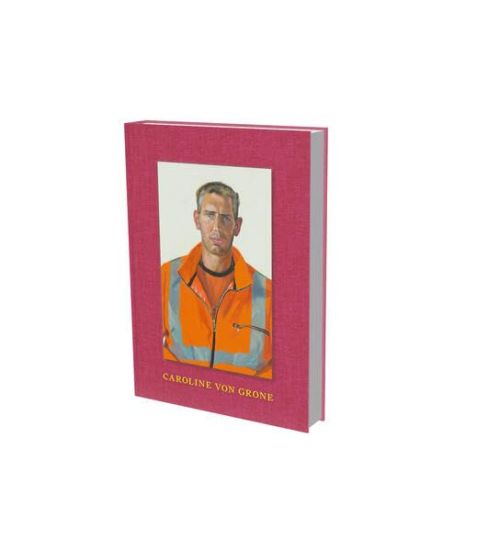
As I walk through the museum, I can tell which painting is based on a model and which is not - Caroline von Grone has a keen eye for situations and an unerring one for portraits. In 1991, she was a master-class student under Klaus Rinke at the D sseldorf Art Academy and, quite untypically for that time, had turned to painting portraits, either of models she had approached, for instance in subway stations, or later then of models who commissioned a portrait from her. It is absolutely her strength that she does not invent observations. This results in a visual acuity that is a definite pleasure for the viewer. Her paintings time and again offer an image within the image, such as abstractly conceived tiled walls, floor tiles, and the interiors of public places such as telephone booths and ticket machines. She also has frequently painted houses, for example, in a northern German housing estate, until these were eventually demolished. These ultimate conditions also interested her, as a counterpoint to the photography of, for instance, the Bechers. Part of Caroline von Grone's practice has always been the painting in public, because otherwise she would not be able to capture the still-life presence within the picture if I tried to paint it based on a photograph.