
Kirjailija
Inazo Nitobe
Kirjat ja teokset yhdessä paikassa: 102 kirjaa, julkaisuja vuosilta 2000-2026, suosituimpien joukossa The Way of the Warrior. Vertaile teosten hintoja ja tarkista saatavuus suomalaisista kirjakaupoista.
Mukana myös kirjoitusasut: Inazo Nitobé, Inazo¿ Nitobe, Inazô Nitobe
102 kirjaa
Kirjojen julkaisuhaarukka 2000-2026.
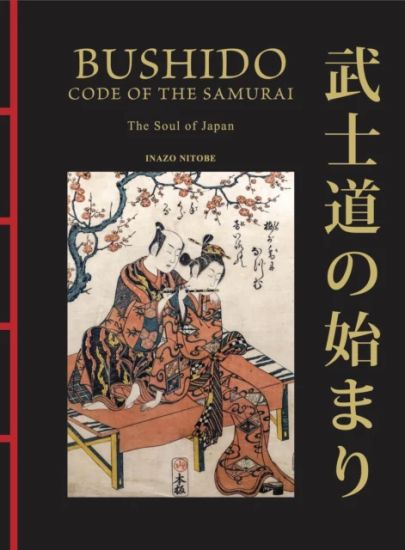
“Chivalry is a flower no less indigenous to the soil of Japan than cherry blossom” are the opening words to Inazo Nitobe’s Bushido: The Soul of Japan. It was 1900 and Inazo, a Japanese academic living in the USA, had been prompted to write the book after an American professor had wondered how the Japanese imparted moral education on their children if schools didn’t offer any religious instruction. The answer, Inazo realised, was through Bushido. Bushido is the chivalric code of moral principles that the Samurai followed: rectitude, courage, benevolence, respect, honesty, honour and loyalty. Influenced by Confucianism, Shinto and Zen Buddhism, it tempers the violence of a warrior with wisdom and serenity. Alongside Sun Tzu’s The Art of War and Machiavelli’s The Prince, Inazo’s book has become influential among military and corporate leaders looking for ways to manage their people and overcome their opponents. Beautifully produced in traditional Chinese binding and with a timeless design, Bushido: The Soul of Japan includes the classic Inazo text with a new introduction. It will appeal to anyone interested in leadership, the code of the Samurai and Japanese culture.



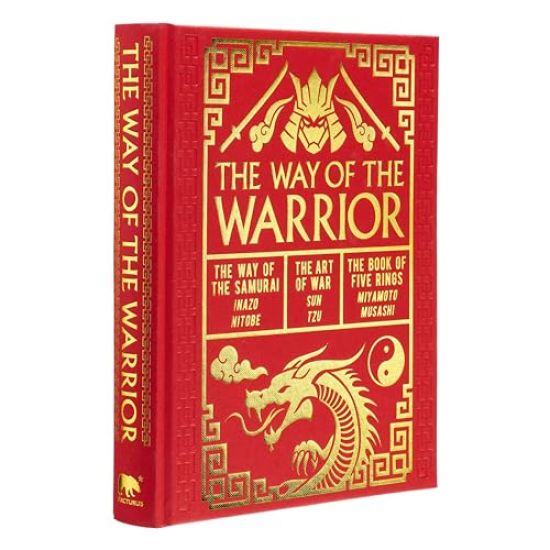

The Way of the Warrior: The Way of the Samurai, the Art of War, the Book of Five Rings
Sun Tzu; Inazo Nitobe; Miyamoto Musashi
Sirius Entertainment
2024
sidottu
This beautiful hardback edition contains three classic texts from China and Japan, The Art of War, The Book of Five Rings and The Way of the Samurai. Together, these texts set out strategies and techniques for warfare and conflict that span more than 2500 years. In The Art of War, Chinese general Sun Tzu promotes strategic flexibility, quick thinking on the battlefield, and understanding the enemy's intentions.The Book of Five Rings covers swordsmanship and the martial arts, emphasizing the need to perfect technique to improve control and discipline. In The Way of the Samurai, Inazo Nitobe explores the moral code of the Japanese warrior class, ideals that still resonate in modern Japanese society and the wider world. Each a best-selling title in its own right, these three classic Far Eastern texts are about much more than war and being a warrior, including ideas of leadership, virtue and disciple which remain relevant to conduct in business and in life today. Featuring an elegant cover design with gold foil-stamping, this unabridged edition makes a wonderful gift or collectible. ABOUT THE SERIES: The Arcturus Gilded Classics series presents luxury gift editions of classics works, printed on opulent ivory paper, featuring hardcover Wibilin binding, foil-embossed cover designs, beautifully designed end-papers and gilded page edges. These make perfect collectibles for lovers of classic literature.

This luxurious gift edition presents Inazo Nitobe's classic work, The Way of the Samurai, featuring stenciled page edges and full-color illustrations. To many people, the word samurai conjures images of menacing masks, long blades and elaborate armor. However, this classic text by Inazo Nitobe reveals the greater depths to samurai culture - they were not simply warriors but an aristocratic class who practiced literary and military arts in equal measure. Essential to this way of life was the samurai's moral code and the quality of bushido, roughly translated as chivalry. The Way of the Samurai provides an intriguing exploration of bushido and other valued qualities such as rectitude or justice, courage, politeness, veracity, honor, loyalty and self-control. It also explores the Samurai's more violent traditions, such as the chilling act of hara-kiri or self-immolation. This mixture of chivalric principles with brutal warfare is fascinating. While many aspects of Samurai culture have disappeared, its principles still have resonance in modern Japanese society and around the globe. Featuring beautiful full-color illustrations, this luxurious gold-embossed hardback makes a perfect gift. ABOUT THE SERIES: The Arcturus Luxury Classics series brings together deluxe gift editions of classic works of literature, complete with stenciled page edges, gold embossed cover designs, full-color illustrations and beautiful patterned endpapers.
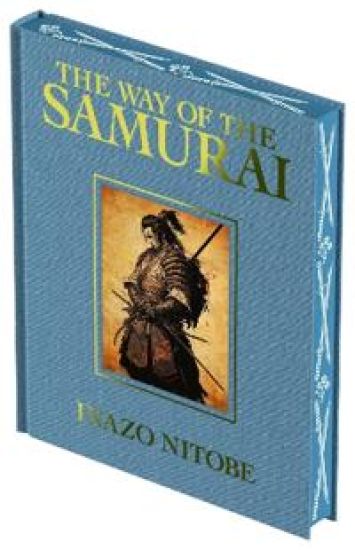

“Chivalry is a flower no less indigenous to the soil of Japan than cherry blossom” are the opening words to Inazo Nitobe’s Bushido: The Soul of Japan. It was 1900 and Inazo, a Japanese academic living in the USA, had been prompted to write the book after an American professor had wondered how the Japanese imparted moral education on their children if schools didn’t offer any religious instruction. The answer, Inazo realised, was through Bushido. Bushido is the chivalric code of moral principles that the Samurai followed: rectitude, courage, benevolence, respect, honesty, honour and loyalty. Influenced by Confucianism, Shinto and Zen Buddhism, it tempers the violence of a warrior with wisdom and serenity. Alongside Sun Tzu’s The Art of War and Machiavelli’s The Prince, Inazo’s book has become influential among military and corporate leaders looking for ways to manage their people and overcome their opponents. Beautifully produced in traditional Chinese binding and with a timeless design, Bushido: The Soul of Japan includes the classic Inazo text with a new introduction. It will appeal to anyone interested in leadership, the code of the Samurai and Japanese culture.
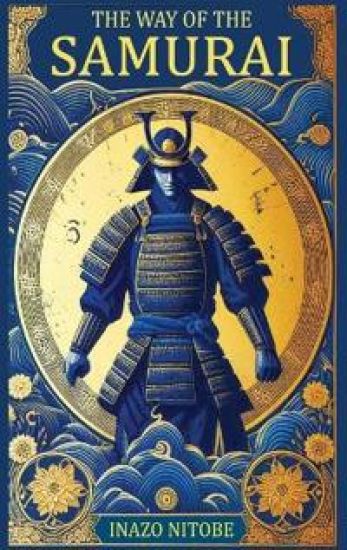
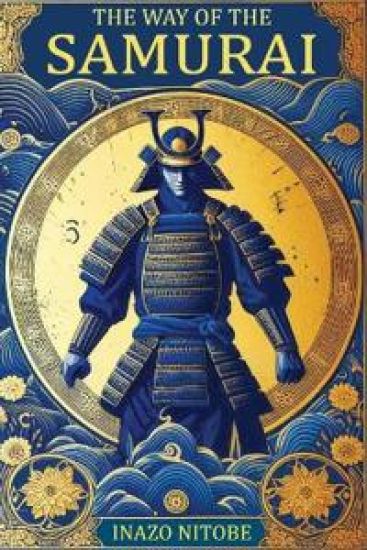
"The Way of the Samurai: Unveiling the Heart of Ancient Warriors"When you hear the word "samurai," you might imagine fierce fighters wearing masks and wielding long swords. But there's more to samurai culture than just battles. Inazo Nitobe's classic text reveals that samurai were not only warriors but also part of an aristocratic class. They balanced their martial skills with a deep appreciation for literature and the arts.Key Points: Bushido: This was the samurai's moral code, akin to chivalry. It emphasized qualities like honesty, courage, politeness, and loyalty.Exploring Bushido: The book delves into these values, shedding light on the samurai's way of life.Violent Traditions: Alongside their noble principles, samurai also had brutal practices, such as the intense ritual of hara-kiri (self-immolation).Enduring Influence: Although many aspects of samurai culture have faded, their principles still resonate in modern Japan and beyond.The samurai were more than just warriors-they embodied a rich blend of honor, discipline, and tradition.
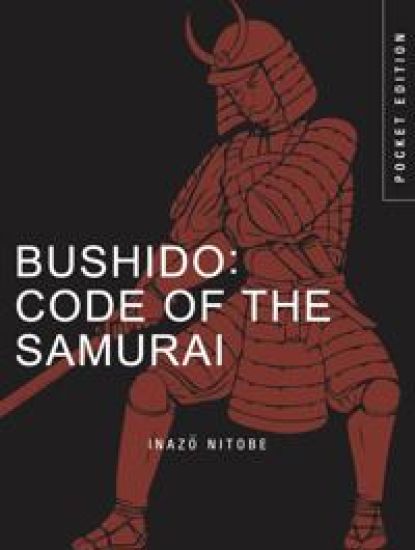
“Chivalry is a flower no less indigenous to the soil of Japan than cherry blossom” are the opening words to Inazo Nitobe’s Bushido. It was 1900 and Inazo, a Japanese academic living in the USA, had been prompted to write the book after an American professor had wondered how the Japanese imparted moral education on their children if schools didn’t offer any religious instruction. The answer, Inazo realised, was through Bushido. Bushido is the chivalric code of moral principles that the Samurai followed: rectitude, courage, benevolence, respect, honesty, honour and loyalty. Influenced by Confucianism, Shinto and Zen Buddhism, it tempers the violence of a warrior with wisdom and serenity. Alongside Sun Tzu’s The Art of War and Machiavelli’s The Prince, Inazo’s book has become influential among military and corporate leaders looking for ways to manage their people and overcome their opponents. Beautifully produced in a handy pocket format, Bushido: The Code of the Samurai includes the classic Inazo Nitobe text with a new introduction and colourful illustrations throughout. It will appeal to anyone interested in leadership, the code of the Samurai and Japanese culture.

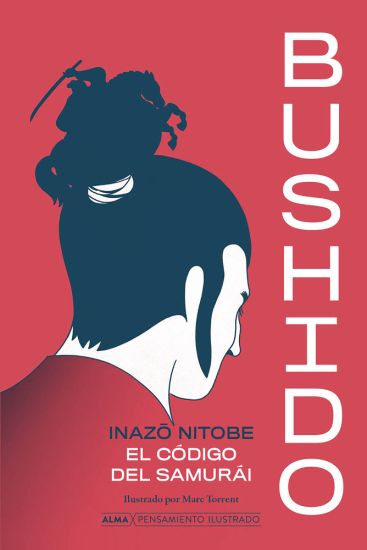
Bushido o «camino del guerrero es una de las primeras obras escritas desde Jap n para acercarnos a una cultura que se remonta al feudalismo y a la ¬ gura del samur i. Sus valores de rectitud, coraje, benevolencia, cortes a, sinceridad, honor, lealtad y autocontrol siguen siendo las virtudes m s admiradas en el esp ritu nip n. Y todas se nos presentan aqu con una perspectiva global, repleta de comparaciones con el pensamiento moderno o las obras cl sicas de autores como Shakespeare, y en la que el budismo y el confucionismo conviven con la filosof a de la Antig edad. Por ¬fin Oriente y Occidente comenzaban a darse la mano en esta gu a esencial para comprender la cultura japonesa. Bushido or "path of the warrior" is one of the first Japanese works that brings us closer to a culture that dates to feudalism and the figure of the samurai. It demonstrates values of righteousness, courage, benevolence, sincerity, loyalty, and self-control all of which continue to be the most admired virtues in the Japanese spirit. This work portrays a global perspective full of comparisons with modern thought and in which Buddhism and Confucianism coexist with the philosophy of Antiquity. At last, East and West began to shake hands through this essential guide to understanding Japanese culture.



"Bushido: The Soul of Japan," written by Inazo Nitobe, is a captivating exploration of the code of honor and ethics that governed the samurai warriors in feudal Japan. The author's book aims to provide Western readers with an in-depth understanding of the principles and values that shaped the samurai's way of life. Nitobe delves into the historical and philosophical aspects of Bushido, which refers to the "way of the warrior." He explores various elements of Bushido, including loyalty, courage, self-discipline, and the pursuit of excellence. The story serves as a bridge between East and West, offering readers a deeper understanding of the samurai ethos and its enduring influence on Japanese culture. Nitobe's work continues to be celebrated for its engaging exploration of honor, virtue, and the moral principles that guided the samurai warriors.

The Path of the Warrior Ornate Box Set
Sun Tzu; Inazo Nitobe; Miyamoto Musashi
ARCTURUS PUBLISHING LTD
2022
tuotepaketti