Kirjojen hintavertailu. Mukana 12 390 323 kirjaa ja 12 kauppaa.

Kirjailija

Ingo F. Walther

Kirjat ja teokset yhdessä paikassa: 26 kirjaa, julkaisuja vuosilta 2015-2025, suosituimpien joukossa Codices illustres. The world's most famous illuminated manuscripts 400 to 1600. Vertaile teosten hintoja ja tarkista saatavuus suomalaisista kirjakaupoista.

26 kirjaa

Kirjojen julkaisuhaarukka 2015-2025.

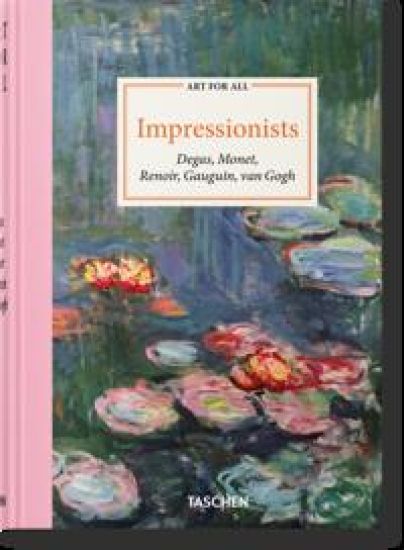
Art for All. Impressionists

Art for All. Impressionists

Bernd Growe; Christoph Heinrich; Ingo F. Walther; Matthias Arnold; Peter H. Feist

TASCHEN GMBH
2025
sidottu
This inspiring collection covers the work, the lives, and the enduring impact of five key Impressionists, in one volume that’s a primer and a celebration of probably the most popular artistic genre of all time. Each featured artist broke boundaries in different ways, astounding late 19th-century society with their boldness of vision and technique.Edgar Degas explored movement and the human form with masterly style and innovative compositions, most famously of dancers, racehorses, and busy streetscapes. Claude Monet was a maestro of light and atmosphere, capturing the fleeting moment with his iconic water lilies and series paintings. Pierre-Auguste Renoir celebrated beauty and sensuality, bringing vibrancy to everyday scenes with lush brushwork and a radiant palette. Paul Gauguin sought inspiration in the exotic, using bold colors and symbolism, often to unsettling effect. Finally, Vincent van Gogh’s highly emotive use of color and vigorous brushstrokes conveyed his private turmoil and did much to lay the groundwork for Expressionism.Together, these five creative masters redefined what art dared to achieve, emphasizing personal expression alongside their exploration of light, color, and perspective. Their output marked a pivotal shift to modern artistic freedoms and expectations.This collection looks beyond their most famous works and includes an extensive text on each artist’s oeuvre, alongside a detailed biography and more than 400 high-quality color illustrations.
Art for All. Impressionnistes

Art for All. Impressionnistes

Bernd Growe; Christoph Heinrich; Ingo F. Walther; Matthias Arnold; Peter H. Feist

TASCHEN GMBH
2025
sidottu
This inspiring collection covers the work, the lives, and the enduring impact of five key Impressionists, in one volume that’s a primer and a celebration of probably the most popular artistic genre of all time. Each featured artist broke boundaries in different ways, astounding late 19th-century society with their boldness of vision and technique.Edgar Degas explored movement and the human form with masterly style and innovative compositions, most famously of dancers, racehorses, and busy streetscapes. Claude Monet was a maestro of light and atmosphere, capturing the fleeting moment with his iconic water lilies and series paintings. Pierre-Auguste Renoir celebrated beauty and sensuality, bringing vibrancy to everyday scenes with lush brushwork and a radiant palette. Paul Gauguin sought inspiration in the exotic, using bold colors and symbolism, often to unsettling effect. Finally, Vincent van Gogh’s highly emotive use of color and vigorous brushstrokes conveyed his private turmoil and did much to lay the groundwork for Expressionism.Together, these five creative masters redefined what art dared to achieve, emphasizing personal expression alongside their exploration of light, color, and perspective. Their output marked a pivotal shift to modern artistic freedoms and expectations.This collection looks beyond their most famous works and includes an extensive text on each artist’s oeuvre, alongside a detailed biography and more than 400 high-quality color illustrations.
Art for All. Impresionistas

Art for All. Impresionistas

Bernd Growe; Christoph Heinrich; Ingo F. Walther; Matthias Arnold; Peter H. Feist

TASCHEN GMBH
2025
sidottu
This inspiring collection covers the work, the lives, and the enduring impact of five key Impressionists, in one volume that’s a primer and a celebration of probably the most popular artistic genre of all time. Each featured artist broke boundaries in different ways, astounding late 19th-century society with their boldness of vision and technique.Edgar Degas explored movement and the human form with masterly style and innovative compositions, most famously of dancers, racehorses, and busy streetscapes. Claude Monet was a maestro of light and atmosphere, capturing the fleeting moment with his iconic water lilies and series paintings. Pierre-Auguste Renoir celebrated beauty and sensuality, bringing vibrancy to everyday scenes with lush brushwork and a radiant palette. Paul Gauguin sought inspiration in the exotic, using bold colors and symbolism, often to unsettling effect. Finally, Vincent van Gogh’s highly emotive use of color and vigorous brushstrokes conveyed his private turmoil and did much to lay the groundwork for Expressionism.Together, these five creative masters redefined what art dared to achieve, emphasizing personal expression alongside their exploration of light, color, and perspective. Their output marked a pivotal shift to modern artistic freedoms and expectations.This collection looks beyond their most famous works and includes an extensive text on each artist’s oeuvre, alongside a detailed biography and more than 400 high-quality color illustrations.
Art for All. Impressionisten

Art for All. Impressionisten

Bernd Growe; Christoph Heinrich; Ingo F. Walther; Matthias Arnold; Peter H. Feist

TASCHEN GMBH
2025
sidottu
This inspiring collection covers the work, the lives, and the enduring impact of five key Impressionists, in one volume that’s a primer and a celebration of probably the most popular artistic genre of all time. Each featured artist broke boundaries in different ways, astounding late 19th-century society with their boldness of vision and technique.Edgar Degas explored movement and the human form with masterly style and innovative compositions, most famously of dancers, racehorses, and busy streetscapes. Claude Monet was a maestro of light and atmosphere, capturing the fleeting moment with his iconic water lilies and series paintings. Pierre-Auguste Renoir celebrated beauty and sensuality, bringing vibrancy to everyday scenes with lush brushwork and a radiant palette. Paul Gauguin sought inspiration in the exotic, using bold colors and symbolism, often to unsettling effect. Finally, Vincent van Gogh’s highly emotive use of color and vigorous brushstrokes conveyed his private turmoil and did much to lay the groundwork for Expressionism.Together, these five creative masters redefined what art dared to achieve, emphasizing personal expression alongside their exploration of light, color, and perspective. Their output marked a pivotal shift to modern artistic freedoms and expectations.This collection looks beyond their most famous works and includes an extensive text on each artist’s oeuvre, alongside a detailed biography and more than 400 high-quality color illustrations.
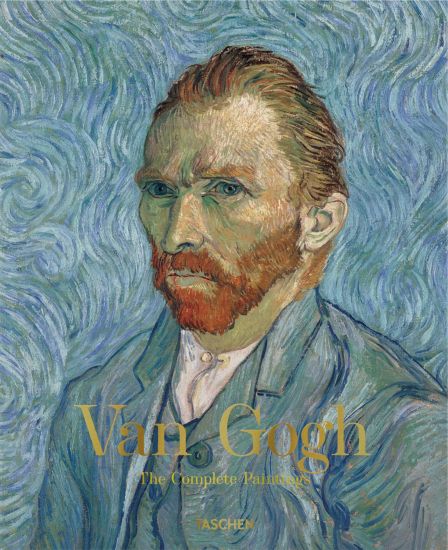
Van Gogh. The Complete Paintings

Van Gogh. The Complete Paintings

Ingo F. Walther; Rainer Metzger

Taschen GmbH
2020
sidottu
Today, the works of Vincent van Gogh (1853–1890) are among the most well known and celebrated in the world. In paintings such as Sunflowers, The Starry Night, and Self-Portrait with Bandaged Ear, we recognize an artist uniquely dexterous in the representation of texture and mood, light and place. Yet in his lifetime, van Gogh battled not only the disinterest of his contemporary audience but also devastating bouts of mental illness. His episodes of depression and anxiety would eventually claim his life, when, in 1890, he committed suicide shortly after his 37th birthday. This comprehensive study of Vincent van Gogh offers a complete catalogue of his 871 paintings, alongside writings and essays, charting the life and work of a master who continues to tower over art to this day.
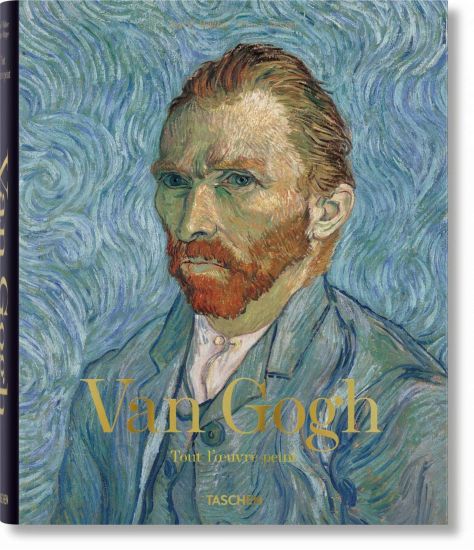
Van Gogh. Tout l'œuvre peint

Van Gogh. Tout l'œuvre peint

Ingo F. Walther; Rainer Metzger

TASCHEN GMBH
2020
sidottu
Today, the works of Vincent van Gogh (1853–1890) are among the most well known and celebrated in the world. In paintings such as Sunflowers, The Starry Night, and Self-Portrait with Bandaged Ear, we recognize an artist uniquely dexterous in the representation of texture and mood, light and place. Yet in his lifetime, van Gogh battled not only the disinterest of his contemporary audience but also devastating bouts of mental illness. His episodes of depression and anxiety would eventually claim his life, when, in 1890, he committed suicide shortly after his 37th birthday. This comprehensive study of Vincent van Gogh offers a complete catalogue of his 871 paintings, alongside writings and essays, charting the life and work of a master who continues to tower over art to this day.
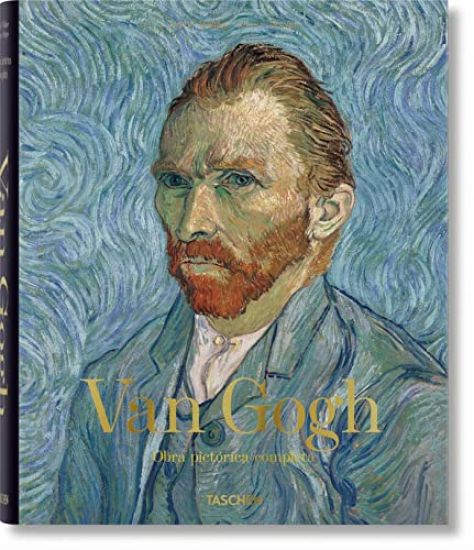
Van Gogh. Obra pictórica completa

Van Gogh. Obra pictórica completa

Ingo F. Walther; Rainer Metzger

TASCHEN GMBH
2020
sidottu
Today, the works of Vincent van Gogh (1853–1890) are among the most well known and celebrated in the world. In paintings such as Sunflowers, The Starry Night, and Self-Portrait with Bandaged Ear, we recognize an artist uniquely dexterous in the representation of texture and mood, light and place. Yet in his lifetime, van Gogh battled not only the disinterest of his contemporary audience but also devastating bouts of mental illness. His episodes of depression and anxiety would eventually claim his life, when, in 1890, he committed suicide shortly after his 37th birthday. This comprehensive study of Vincent van Gogh offers a complete catalogue of his 871 paintings, alongside writings and essays, charting the life and work of a master who continues to tower over art to this day.
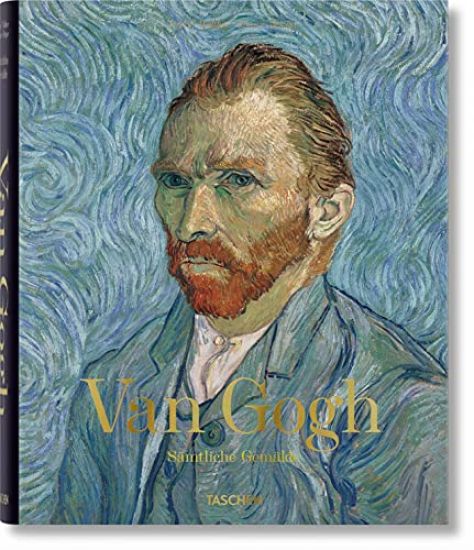
Van Gogh. Samtliche Gemalde

Van Gogh. Samtliche Gemalde

Ingo F. Walther; Rainer Metzger

TASCHEN GMBH
2020
sidottu
Vincent van Gogh, one of the most famous and tragic figures of 19th century art, comes back to life with this lush tome featuring all 871 of his paintings and his writings. From Sunflowers to The Starry Night and Self-Portrait with Bandaged Ear, enjoy the breadth of van Goghâ??s work, which became a touchstone of 20th century art.
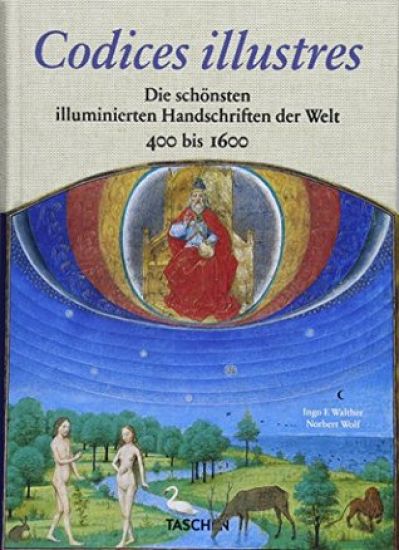
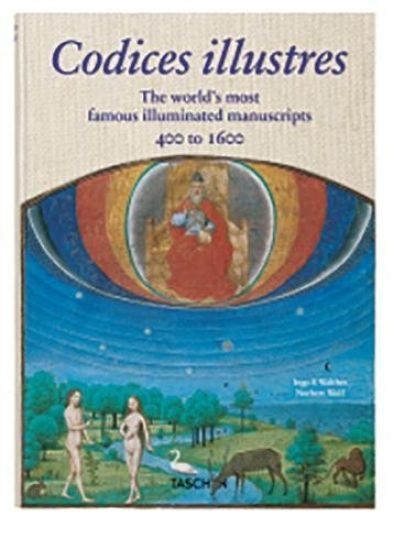
Codices illustres. The world's most famous illuminated manuscripts 400 to 1600
From The Book of Kells to Boccaccio’s Decameron, from the Vienna Genesis to Dante’s Divine Comedy: to open Codices illustres is to open the door into a precious, private world. Now in a revised format, this radiant book brings you face-to-face with 167 of the most exquisite and important manuscripts of the medieval age. Presented in brilliant large-format reproductions, these paradigms of miniature painting and illumination from the 4th century to 1600 were once the property of some of the greatest power players in history. Now art-historical treasures, they are worth many millions and typically tucked away in private collections or closely guarded archives—until now. Although the focus of this collection is on European manuscripts, examples from Mexican, Persian, and Indian tradition illustrate the refinement and intricacy of manuscript illumination in non-European cultures. An informative synopsis for each manuscript orients the reader at a glance, while a 36-page appendix contains biographies of the artists, as well as an extensive bibliography, an index, and a glossary for technical terms.
Gauguin

Gauguin

Ingo F. Walther

TASCHEN GMBH
2017
sidottu
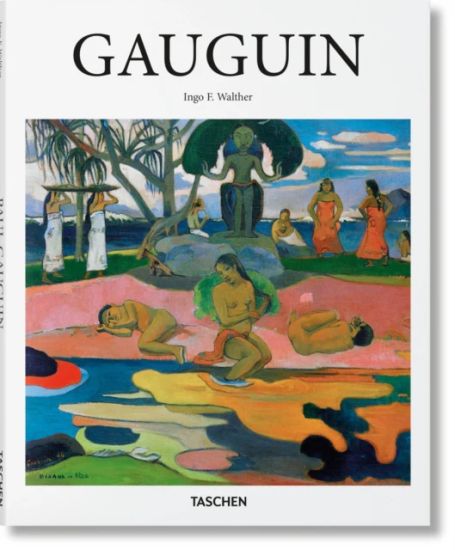
Paul Gauguin (1848–1903) was not cut out for finance. Nor did he last particularly long in the French Navy, or as a tarpaulin salesman in Copenhagen who did not speak Danish. He began painting in his spare time in 1873 and in 1876 took part in the Paris Salon. Three years later, he was exhibiting alongside Pissarro, Degas, and Monet. A querulous, hard-drinking individual, Gauguin often called himself a savage. His close but fraught friendship with the similarly temperamental Vincent van Gogh climaxed in a violent incident in 1888, when van Gogh purportedly confronted Gauguin with a razor blade, and later cut off his own ear. Shortly afterwards, following the completion of a midcareer masterpiece Vision After the Sermon (1888), Gauguin took himself to Tahiti, with the intention of escaping “everything that is artificial and conventional…” On Tahiti, Gauguin’s unfettered joy in the island’s nature, native people, and figurative images soared, spurring a prolific output of paintings and prints. In works such as Woman with a Flower (Vahine no te Tiare, 1891) and Sacred Spring: Sweet Dreams (Nave Nave Moe, 1894), he developed a distinct, Primitivist style that positively oozed with sunshine and color. In the tradition of exotic sensuality, his thick, buttery lashings of paint lingered in particular over the curves of Tahitian women. Gauguin died alone, on Tahiti’s neighboring Marquesas Islands, with many of his personal papers and belongings dispersed in a local auction. It was not until a smart art dealer began curating and showing Gauguin’s work in Paris that the artist’s profound influence began making itself felt, especially to the new breed of French avant-garde artists, such as Picasso and Matisse.This book offers the essential introduction the artist’s truly colorful life, from the Impressionist salons of 1870s Paris to his final days in the Pacific, productive and passionate to the end.
Gauguin

Gauguin

Ingo F. Walther

Taschen GmbH
2017
sidottu
Paul Gauguin (1848–1903) was not cut out for finance. Nor did he last particularly long in the French Navy, or as a tarpaulin salesman in Copenhagen who did not speak Danish. He began painting in his spare time in 1873 and in 1876 took part in the Paris Salon. Three years later, he was exhibiting alongside Pissarro, Degas, and Monet. A querulous, hard-drinking individual, Gauguin often called himself a savage. His close but fraught friendship with the similarly temperamental Vincent van Gogh climaxed in a violent incident in 1888, when van Gogh purportedly confronted Gauguin with a razor blade, and later cut off his own ear. Shortly afterwards, following the completion of a midcareer masterpiece Vision After the Sermon (1888), Gauguin took himself to Tahiti, with the intention of escaping “everything that is artificial and conventional…” On Tahiti, Gauguin’s unfettered joy in the island’s nature, native people, and figurative images soared, spurring a prolific output of paintings and prints. In works such as Woman with a Flower (Vahine no te Tiare, 1891) and Sacred Spring: Sweet Dreams (Nave Nave Moe, 1894), he developed a distinct, Primitivist style that positively oozed with sunshine and color. In the tradition of exotic sensuality, his thick, buttery lashings of paint lingered in particular over the curves of Tahitian women. Gauguin died alone, on Tahiti’s neighboring Marquesas Islands, with many of his personal papers and belongings dispersed in a local auction. It was not until a smart art dealer began curating and showing Gauguin’s work in Paris that the artist’s profound influence began making itself felt, especially to the new breed of French avant-garde artists, such as Picasso and Matisse.This book offers the essential introduction the artist’s truly colorful life, from the Impressionist salons of 1870s Paris to his final days in the Pacific, productive and passionate to the end.
Gauguin

Gauguin

Ingo F. Walther

TASCHEN GMBH
2017
sidottu
Paul Gauguin (1848–1903) was not cut out for finance. Nor did he last particularly long in the French Navy, or as a tarpaulin salesman in Copenhagen who did not speak Danish. He began painting in his spare time in 1873 and in 1876 took part in the Paris Salon. Three years later, he was exhibiting alongside Pissarro, Degas, and Monet. A querulous, hard-drinking individual, Gauguin often called himself a savage. His close but fraught friendship with the similarly temperamental Vincent van Gogh climaxed in a violent incident in 1888, when van Gogh purportedly confronted Gauguin with a razor blade, and later cut off his own ear. Shortly afterwards, following the completion of a midcareer masterpiece Vision After the Sermon (1888), Gauguin took himself to Tahiti, with the intention of escaping “everything that is artificial and conventional…” On Tahiti, Gauguin’s unfettered joy in the island’s nature, native people, and figurative images soared, spurring a prolific output of paintings and prints. In works such as Woman with a Flower (Vahine no te Tiare, 1891) and Sacred Spring: Sweet Dreams (Nave Nave Moe, 1894), he developed a distinct, Primitivist style that positively oozed with sunshine and color. In the tradition of exotic sensuality, his thick, buttery lashings of paint lingered in particular over the curves of Tahitian women. Gauguin died alone, on Tahiti’s neighboring Marquesas Islands, with many of his personal papers and belongings dispersed in a local auction. It was not until a smart art dealer began curating and showing Gauguin’s work in Paris that the artist’s profound influence began making itself felt, especially to the new breed of French avant-garde artists, such as Picasso and Matisse.This book offers the essential introduction the artist’s truly colorful life, from the Impressionist salons of 1870s Paris to his final days in the Pacific, productive and passionate to the end.
Chagall

Chagall

Ingo F. Walther; Rainer Metzger

TASCHEN GMBH
2016
sidottu
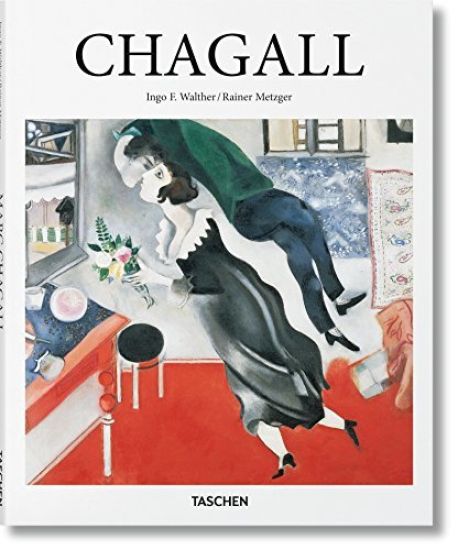
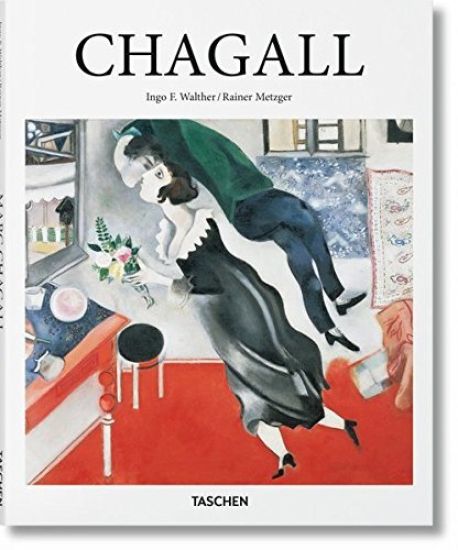
For Marc Chagall (1887–1985), painting was an intricate tapestry of dreams, tales, and traditions. His instantly recognizable visual language carved out a unique early 20th-century niche, often identified as one of the earliest expressions of psychic experience. Chagall’s canvases are characterized by loose brushwork, deep colors, a particular fondness for blue, and a repertoire of recurring tropes including musicians, roosters, rooftops, flowers, and floating lovers. For all their ethereal charms, his compositions were often rich and complex in their references. They wove together not only colors and forms, but also his Jewish roots with his present encounters in Paris, markers of faith with gestures of love and symbols of hope with testimonies of trauma. Across scenes of birth, love, marriage, and death, this dependable artist introduction explores the many versions of Chagall’s rich vocabulary. From visions of his native Vitebsk in modern-day Belarus to images of the Eiffel Tower, we explore the unique aesthetic of one of the most readily identifiable modern masters and one of the most influential Jewish artists of all time.
Chagall

Chagall

Ingo F. Walther; Rainer Metzger

TASCHEN GMBH
2016
sidottu
For Marc Chagall (1887–1985), painting was an intricate tapestry of dreams, tales, and traditions. His instantly recognizable visual language carved out a unique early 20th-century niche, often identified as one of the earliest expressions of psychic experience. Chagall’s canvases are characterized by loose brushwork, deep colors, a particular fondness for blue, and a repertoire of recurring tropes including musicians, roosters, rooftops, flowers, and floating lovers. For all their ethereal charms, his compositions were often rich and complex in their references. They wove together not only colors and forms, but also his Jewish roots with his present encounters in Paris, markers of faith with gestures of love and symbols of hope with testimonies of trauma. Across scenes of birth, love, marriage, and death, this dependable artist introduction explores the many versions of Chagall’s rich vocabulary. From visions of his native Vitebsk in modern-day Belarus to images of the Eiffel Tower, we explore the unique aesthetic of one of the most readily identifiable modern masters and one of the most influential Jewish artists of all time.
Chagall

Chagall

Ingo F. Walther; Rainer Metzger

TASCHEN GMBH
2016
sidottu
With his enchanting roster of musicans, roosters, flowers, and floating lovers, Marc Chagall is celebrated to this day as one of the most readily identifiable modern masters and one of the most influential Jewish artists of all time. This dependable artist introduction explores the dreams, tales, colors, and cultural traditions that made up Chagallâ??s rich and intricate tapestry.
Chagall

Chagall

Ingo F. Walther; Rainer Metzger

Taschen GmbH
2016
sidottu
For Marc Chagall (1887–1985), painting was an intricate tapestry of dreams, tales, and traditions. His instantly recognizable visual language carved out a unique early 20th-century niche, often identified as one of the earliest expressions of psychic experience. Chagall’s canvases are characterized by loose brushwork, deep colors, a particular fondness for blue, and a repertoire of recurring tropes including musicians, roosters, rooftops, flowers, and floating lovers. For all their ethereal charms, his compositions were often rich and complex in their references. They wove together not only colors and forms, but also his Jewish roots with his present encounters in Paris, markers of faith with gestures of love and symbols of hope with testimonies of trauma. Across scenes of birth, love, marriage, and death, this dependable artist introduction explores the many versions of Chagall’s rich vocabulary. From visions of his native Vitebsk in modern-day Belarus to images of the Eiffel Tower, we explore the unique aesthetic of one of the most readily identifiable modern masters and one of the most influential Jewish artists of all time.
Van Gogh

Van Gogh

Ingo F. Walther

TASCHEN GMBH
2016
sidottu
Today, the works of Vincent van Gogh (1853–1890) are among the most well known and celebrated in the world. In Sunflowers, The Starry Night, Self-Portrait with Bandaged Ear, and many paintings and drawings beyond, we recognize an artist uniquely dexterous in the portrayal of mood and place through paint, pencil, charcoal, or chalk. Yet as he was deploying the lurid colors, emphatic brushwork, and contoured forms that would subsequently make his name, van Gogh battled not only the disinterest of his contemporary audience but also devastating bouts of mental illness. His episodes of depression and anxiety would eventually claim his life, when, in 1890, he committed suicide shortly after his 37th birthday. This richly illustrated introduction follows Vincent van Gogh’s story from his earliest pictures of peasants and rural workers, through his bright Parisian period, to his final, feverish burst of creative energy in the South of France during the last two and a half years of his life.
Van Gogh

Van Gogh

Ingo F. Walther

TASCHEN GMBH
2016
sidottu
Today, the works of Vincent van Gogh (1853–1890) are among the most well known and celebrated in the world. In Sunflowers, The Starry Night, Self-Portrait with Bandaged Ear, and many paintings and drawings beyond, we recognize an artist uniquely dexterous in the portrayal of mood and place through paint, pencil, charcoal, or chalk. Yet as he was deploying the lurid colors, emphatic brushwork, and contoured forms that would subsequently make his name, van Gogh battled not only the disinterest of his contemporary audience but also devastating bouts of mental illness. His episodes of depression and anxiety would eventually claim his life, when, in 1890, he committed suicide shortly after his 37th birthday. This richly illustrated introduction follows Vincent van Gogh’s story from his earliest pictures of peasants and rural workers, through his bright Parisian period, to his final, feverish burst of creative energy in the South of France during the last two and a half years of his life.