Kirjojen hintavertailu. Mukana 12 560 463 kirjaa ja 12 kauppaa.
Kirjailija
Ingrid Piller
Kirjat ja teokset yhdessä paikassa: 6 kirjaa, julkaisuja vuosilta 2016-2025, suosituimpien joukossa Life in a New Language. Vertaile teosten hintoja ja tarkista saatavuus suomalaisista kirjakaupoista.
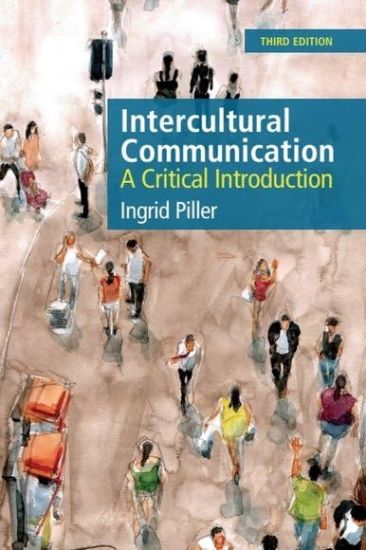
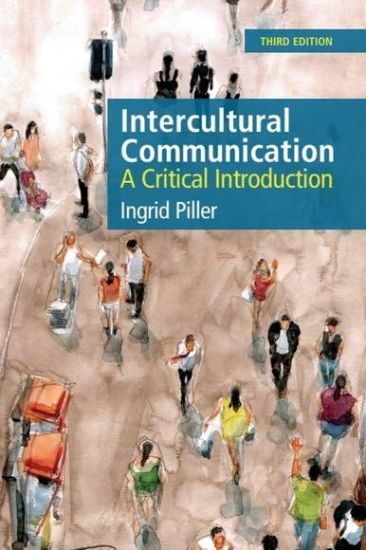
Combining perspectives from discourse analysis and sociolinguistics, the third edition of this popular textbook provides students with an up-to-date overview of the field of intercultural communication. Ingrid Piller explains communication in context using two main approaches. The first treats cultural identity, difference and similarity as discursive constructions. The second, informed by multilingualism studies, highlights the use and prestige of different languages and language varieties as well as the varying access that speakers have to them.
Combining perspectives from discourse analysis and sociolinguistics, the third edition of this popular textbook provides students with an up-to-date overview of the field of intercultural communication. Ingrid Piller explains communication in context using two main approaches. The first treats cultural identity, difference and similarity as discursive constructions. The second, informed by multilingualism studies, highlights the use and prestige of different languages and language varieties as well as the varying access that speakers have to them.
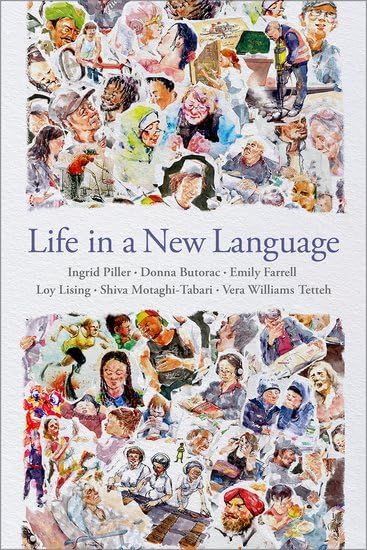
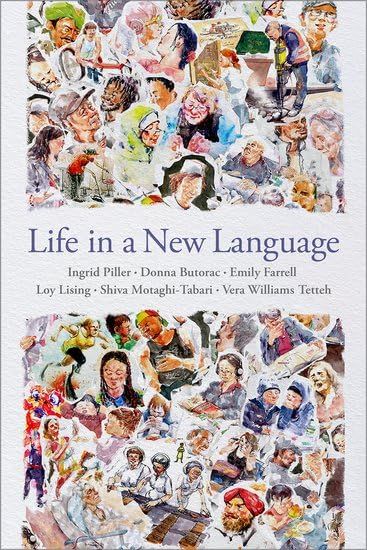
International migration and the social diversity it creates constitute one of the key global challenges of the early 21st century. Language and communication barriers can compromise equitable access in diverse societies, and where socioeconomic disadvantage becomes entrenched, it poses risks to security, productivity and quality of life. Clearly this is an important issue, and migrants and their language choices are heavily politicized; though political and media debates often rely on anecdotal conjecture or are ill-informed. Life in a New Language examines the language learning and settlement experiences of 130 migrants to Australia from 34 different countries in Africa, Asia, Europe, and Latin America over a period of 20 years. Reusing data shared from six separate sociolinguistic ethnographies, the book illuminates participants' lived experience of learning and communicating in a new language, finding work, and doing family. Additionally, participants' experiences with racism and identity making in a new context are explored. The research uncovers significant hardship but also migrants' courage and resilience. The book has implications for language service provision, migration policy, open science, and social justice movements.
International migration and the social diversity it creates constitute one of the key global challenges of the early 21st century. Language and communication barriers can compromise equitable access in diverse societies, and where socioeconomic disadvantage becomes entrenched, it poses risks to security, productivity and quality of life. Clearly this is an important issue, and migrants and their language choices are heavily politicized; though political and media debates often rely on anecdotal conjecture or are ill-informed. Life in a New Language examines the language learning and settlement experiences of 130 migrants to Australia from 34 different countries in Africa, Asia, Europe, and Latin America over a period of 20 years. Reusing data shared from six separate sociolinguistic ethnographies, the book illuminates participants' lived experience of learning and communicating in a new language, finding work, and doing family. Additionally, participants' experiences with racism and identity making in a new context are explored. The research uncovers significant hardship but also migrants' courage and resilience. The book has implications for language service provision, migration policy, open science, and social justice movements.
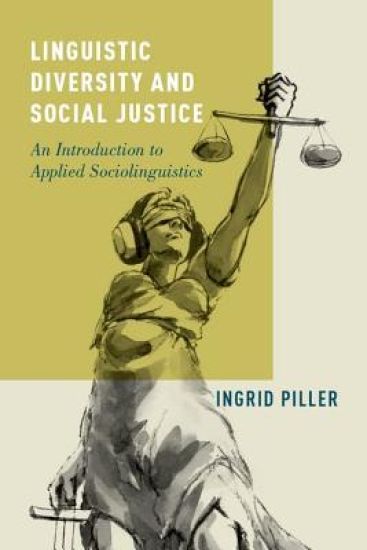
Understanding and addressing linguistic disadvantage must be a central facet of the social justice agenda of our time. This book explores the ways in which linguistic diversity mediates social justice in liberal democracies undergoing rapid change due to high levels of migration and economic globalization. Focusing on the linguistic dimensions of economic inequality, cultural domination and imparity of political participation, Linguistic Diversity and Social Justice employs a case-study approach to real-world instances of linguistic injustice. Linguistic diversity is a universal characteristic of human language but linguistic diversity is rarely neutral; rather it is accompanied by linguistic stratification and linguistic subordination. Domains critical to social justice include employment, education, and community participation. The book offers a detailed examination of the connection between linguistic diversity and inequality in these specific contexts within nation states that are organized as liberal democracies. Inequalities exist not only between individuals and groups within a state but also between states. Therefore, the book also explores the role of linguistic diversity in global injustice with a particular focus on the spread of English as a global language. While much of the analysis in this book focuses on language as a means of exclusion, discrimination and disadvantage, the concluding chapter asks what the content of linguistic justice might be.
Understanding and addressing linguistic disadvantage must be a central facet of the social justice agenda of our time. This book explores the ways in which linguistic diversity mediates social justice in liberal democracies undergoing rapid change due to high levels of migration and economic globalization. Focusing on the linguistic dimensions of economic inequality, cultural domination and imparity of political participation, Linguistic Diversity and Social Justice employs a case-study approach to real-world instances of linguistic injustice. Linguistic diversity is a universal characteristic of human language but linguistic diversity is rarely neutral; rather it is accompanied by linguistic stratification and linguistic subordination. Domains critical to social justice include employment, education, and community participation. The book offers a detailed examination of the connection between linguistic diversity and inequality in these specific contexts within nation states that are organized as liberal democracies. Inequalities exist not only between individuals and groups within a state but also between states. Therefore, the book also explores the role of linguistic diversity in global injustice with a particular focus on the spread of English as a global language. While much of the analysis in this book focuses on language as a means of exclusion, discrimination and disadvantage, the concluding chapter asks what the content of linguistic justice might be.