Kirjojen hintavertailu. Mukana 12 595 353 kirjaa ja 12 kauppaa.

Kirjailija

Iqbal Hamiduddin

Kirjat ja teokset yhdessä paikassa: 7 kirjaa, julkaisuja vuosilta 2015-2022, suosituimpien joukossa Introduction to Rural Planning. Vertaile teosten hintoja ja tarkista saatavuus suomalaisista kirjakaupoista.

7 kirjaa

Kirjojen julkaisuhaarukka 2015-2022.

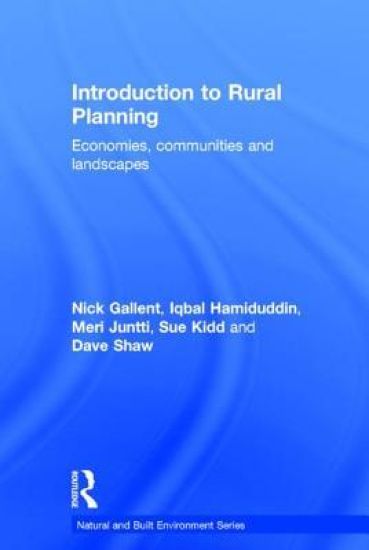
Introduction to Rural Planning

Introduction to Rural Planning

Nick Gallent; Iqbal Hamiduddin; Meri Juntti; Sue Kidd; Dave Shaw

Routledge
2015
sidottu
Introduction to Rural Planning: Economies, Communities and Landscapes provides a critical analysis of the key challenges facing rural places and the ways that public policy and community action shape rural spaces. The second edition provides an examination of the composite nature of ‘rural planning’, which combines land-use and spatial planning elements with community action, countryside management and the projects and programmes of national and supra-national agencies and organisations. It also offers a broad analysis of entrepreneurial social action as a shaper of rural outcomes, with particular coverage of the localism agenda and Neighbourhood Planning in England. With a focus on accessibility and rural transport provision, this book examines the governance arrangements needed to deliver integrated solutions spanning urban and rural places. Through an examination of the ecosystem approach to environmental planning, it links the procurement of ecosystem services to the global challenges of habitat degradation and loss, climate change and resource scarcity and management. A valuable resource for students of planning, rural development and rural geography, Introduction to Rural Planning aims to make sense of current rural challenges and planning approaches, evaluating the currency of the ‘rural’ label in the context of global urbanisation, arguing that rural spaces are relational spaces characterised by critical production and consumption tensions.
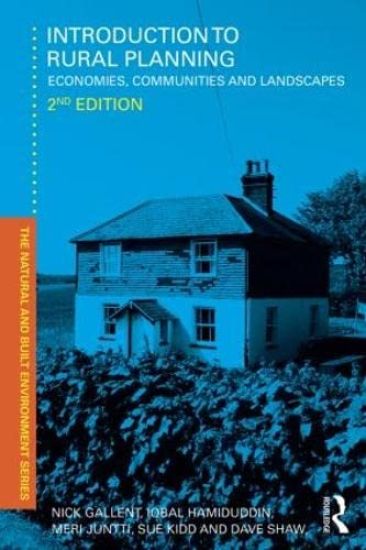
Introduction to Rural Planning

Introduction to Rural Planning

Nick Gallent; Iqbal Hamiduddin; Meri Juntti; Sue Kidd; Dave Shaw

Routledge
2015
nidottu
Introduction to Rural Planning: Economies, Communities and Landscapes provides a critical analysis of the key challenges facing rural places and the ways that public policy and community action shape rural spaces. The second edition provides an examination of the composite nature of ‘rural planning’, which combines land-use and spatial planning elements with community action, countryside management and the projects and programmes of national and supra-national agencies and organisations. It also offers a broad analysis of entrepreneurial social action as a shaper of rural outcomes, with particular coverage of the localism agenda and Neighbourhood Planning in England. With a focus on accessibility and rural transport provision, this book examines the governance arrangements needed to deliver integrated solutions spanning urban and rural places. Through an examination of the ecosystem approach to environmental planning, it links the procurement of ecosystem services to the global challenges of habitat degradation and loss, climate change and resource scarcity and management. A valuable resource for students of planning, rural development and rural geography, Introduction to Rural Planning aims to make sense of current rural challenges and planning approaches, evaluating the currency of the ‘rural’ label in the context of global urbanisation, arguing that rural spaces are relational spaces characterised by critical production and consumption tensions.
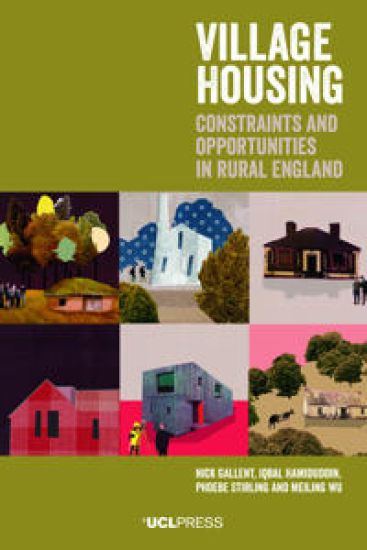
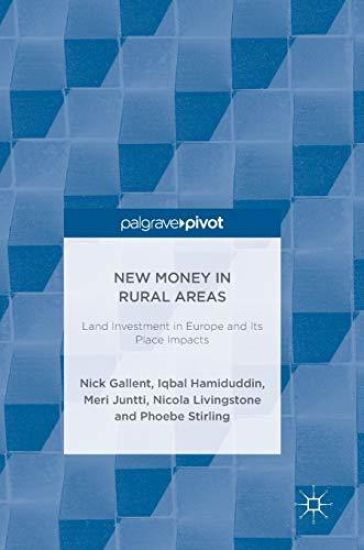
New Money in Rural Areas

New Money in Rural Areas

Nick Gallent; Iqbal Hamiduddin; Meri Juntti; Nicola Livingstone; Phoebe Stirling

Springer Verlag, Singapore
2018
sidottu
This book examines the flow of investment into rural land assets in Europe, particularly farmland, woodland and wineries, but extending also to leisure uses such as golf courses and theme parks. It explores the characteristics of investors in rural land and their motivations before undertaking an analysis of the place impacts of investment, viewing ‘new money’ as a potential development opportunity, delivering a variety of outcomes for local landscapes and communities. After providing introductory insights into rural land investment and the measurement of associated impacts, ten case studies – from different European locations – explore actual investment motives and local impacts. The book concludes with a synthesis of investment experiences and an assessment of the transformative changes brought to rural areas by the flow of new money.