Kirjojen hintavertailu. Mukana 12 390 323 kirjaa ja 12 kauppaa.

Kirjailija

Ivor Timmis

Kirjat ja teokset yhdessä paikassa: 10 kirjaa, julkaisuja vuosilta 2015-2024, suosituimpien joukossa Historical Spoken Language Research. Vertaile teosten hintoja ja tarkista saatavuus suomalaisista kirjakaupoista.

10 kirjaa

Kirjojen julkaisuhaarukka 2015-2024.

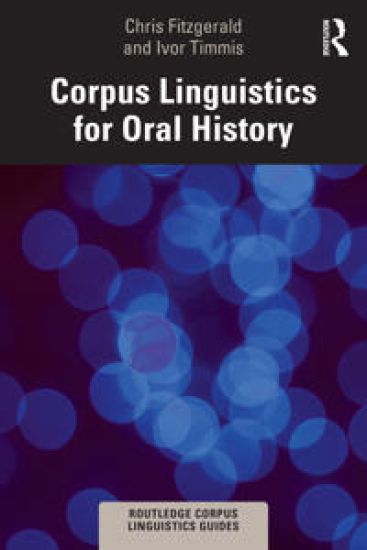
Corpus Linguistics for Oral History

Corpus Linguistics for Oral History

Chris Fitzgerald; Ivor Timmis

TAYLOR FRANCIS LTD
2024
nidottu
Corpus Linguistics for Oral History takes a step-by-step approach to presenting how corpus linguistics tools and techniques can be applied to oral history archives. Bridging the gap between the two areas, this book:establishes a framework to pursue this type of research and guides the reader through tasks that will ensure practical applicationshows how oral narratives can facilitate historical linguistics, including historical sociolinguistics and historical pragmaticsillustrates how the techniques of corpus linguistics can help social historians to analyse oral narratives in new and fruitful waystakes readers through each step of the process, from initial close readings of data to constructing a corpus that adheres to parameters of representativeness, through to the application of various corpus linguistics techniquesincludes an appendix of resources and examples of extracts from a global range of historical texts throughout, introducing the reader to a range of freely accessible, digitized archivesThis book is key reading for students and researchers working in History and Corpus Linguistics. History students will find a new perspective on approaching primary historical sources, while linguistics students will find insights into an avenue of data worthy of multiple levels of linguistic analysis.
Corpus Linguistics for Oral History

Corpus Linguistics for Oral History

Chris Fitzgerald; Ivor Timmis

TAYLOR FRANCIS LTD
2024
sidottu
Corpus Linguistics for Oral History takes a step-by-step approach to presenting how corpus linguistics tools and techniques can be applied to oral history archives. Bridging the gap between the two areas, this book:establishes a framework to pursue this type of research and guides the reader through tasks that will ensure practical applicationshows how oral narratives can facilitate historical linguistics, including historical sociolinguistics and historical pragmaticsillustrates how the techniques of corpus linguistics can help social historians to analyse oral narratives in new and fruitful waystakes readers through each step of the process, from initial close readings of data to constructing a corpus that adheres to parameters of representativeness, through to the application of various corpus linguistics techniquesincludes an appendix of resources and examples of extracts from a global range of historical texts throughout, introducing the reader to a range of freely accessible, digitized archivesThis book is key reading for students and researchers working in History and Corpus Linguistics. History students will find a new perspective on approaching primary historical sources, while linguistics students will find insights into an avenue of data worthy of multiple levels of linguistic analysis.
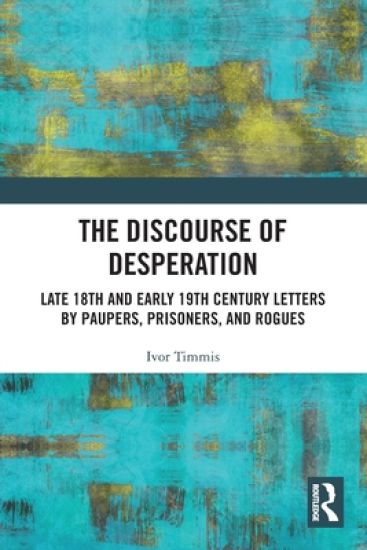
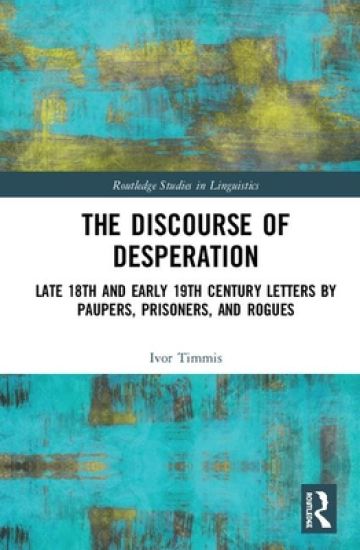
The Discourse of Desperation

The Discourse of Desperation

Ivor Timmis

TAYLOR FRANCIS LTD
2022
nidottu
This book discusses how the poor and desperate in the late eighteenth and early nineteenth centuries mobilised their linguistic resources in pursuit of vital pragmatic goals, drawing on three corpora of letters written by the poor. The main question addressed by the book is, ‘How were the poor, often armed only with low levels of education and literacy, able to meet the challenge of writing letters vital to their interests, even to their survival?’ Timmis argues that the answer lies in the highly strategic approach adopted by the writers, particularly evident in the way formulaic language is used in the pauper and prisoner letters. Formulaic language supports the writers in producing intelligible letters in what they consider an appropriate tone but also allows them to exploit popular cultural motifs of the time. Data is drawn from three sources: pauper letters by the poor applying for parish relief, from around 1795 to 1834; prisoner letters by women awaiting deportation to Australia for defrauding the Bank of England in the early nineteenth century; and anonymous letters by the poor demanding money with menaces. Comparison with the Mayhew Corpus of interviews with the London poor in the 1850s reinforces the idea that part of the writers’ approach was to orient away from the vernacular towards a style they perceived to be more elevated. Showing how resourceful people can be in communicating their needs in crises and in turn surfacing new insights into literacy and demotic language awareness, this book will be of interest to students and scholars in corpus linguistics and social history.
The Discourse of Desperation

The Discourse of Desperation

Ivor Timmis

Routledge
2020
sidottu
This book discusses how the poor and desperate in the late eighteenth and early nineteenth centuries mobilised their linguistic resources in pursuit of vital pragmatic goals, drawing on three corpora of letters written by the poor. The main question addressed by the book is, ‘How were the poor, often armed only with low levels of education and literacy, able to meet the challenge of writing letters vital to their interests, even to their survival?’ Timmis argues that the answer lies in the highly strategic approach adopted by the writers, particularly evident in the way formulaic language is used in the pauper and prisoner letters. Formulaic language supports the writers in producing intelligible letters in what they consider an appropriate tone but also allows them to exploit popular cultural motifs of the time. Data is drawn from three sources: pauper letters by the poor applying for parish relief, from around 1795 to 1834; prisoner letters by women awaiting deportation to Australia for defrauding the Bank of England in the early nineteenth century; and anonymous letters by the poor demanding money with menaces. Comparison with the Mayhew Corpus of interviews with the London poor in the 1850s reinforces the idea that part of the writers’ approach was to orient away from the vernacular towards a style they perceived to be more elevated. Showing how resourceful people can be in communicating their needs in crises and in turn surfacing new insights into literacy and demotic language awareness, this book will be of interest to students and scholars in corpus linguistics and social history.
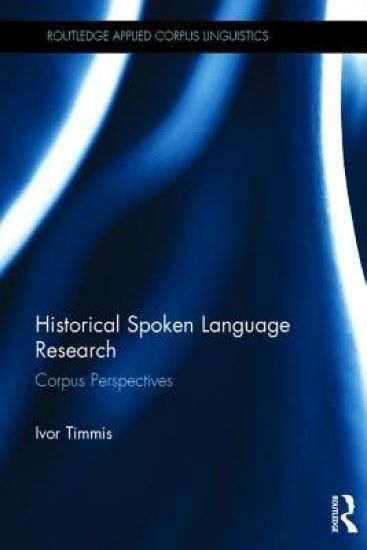
Historical Spoken Language Research
Historical Research on Spoken Language: Corpus Perspectives uses historical sources to discuss continuity and change in spoken language. Based on two corpora compiled using data from sociological and anthropological studies of Victorian London and 1930s Bolton, the author shows how historical spoken corpora can illuminate the nature of spoken language as well as the attitudes, values and behaviour of the specific community represented in a corpus. This book: demonstrates how spoken language can be examined using material collected before the advent of sophisticated recording equipment and large-scale computerised corpora;shows how other written sources such as diaries, letters and existing historical corpora can be used to analyse informal language use as far back as the fifteenth century;provides insight into the longevity and resilience of many spoken language features which are often regarded as vernacular or non-standard;comes with a companion website which gives full access to the Bolton Worktown Corpus. Historical Research on Spoken Language is key reading for researchers and students working in relevant areas.
Historical Spoken Language Research
Historical Research on Spoken Language: Corpus Perspectives uses historical sources to discuss continuity and change in spoken language. Based on two corpora compiled using data from sociological and anthropological studies of Victorian London and 1930s Bolton, the author shows how historical spoken corpora can illuminate the nature of spoken language as well as the attitudes, values and behaviour of the specific community represented in a corpus. This book: demonstrates how spoken language can be examined using material collected before the advent of sophisticated recording equipment and large-scale computerised corpora;shows how other written sources such as diaries, letters and existing historical corpora can be used to analyse informal language use as far back as the fifteenth century;provides insight into the longevity and resilience of many spoken language features which are often regarded as vernacular or non-standard;comes with a companion website which gives full access to the Bolton Worktown Corpus.Historical Research on Spoken Language is key reading for researchers and students working in relevant areas.
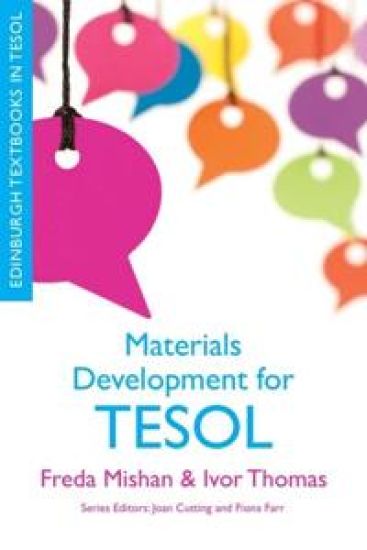
Materials Development for TESOL

Materials Development for TESOL

Freda Mishan; Ivor Timmis

Edinburgh University Press
2015
nidottu
The fundamental principles of materials development in TESOL. Materials are at the very centre of language teaching, and understanding what goes into creating them is an essential part of a language teacher's professional development. Offering a practical introduction to the fundamental principles of materials development in TESOL, this textbook introduces you to a wide range of theoretical and practical issues in materials development to enable you to make informed and principled choices in the selection, evaluation, adaptation and production of materials. Advocating a principled approach to the creation of materials, it combines an awareness of relevant language learning and teaching theory with a critical attitude to existing published materials. It also encourages critical reflection by demonstrating how choices need to be informed by an awareness of culture, context and purpose. Material Development in TESOL's stimulating approach, with thought provoking, interactive tasks, online resources, and added perspectives from international research, makes it an ideal textbook for language teacher programmes around the world, equipping TESOL student teachers and practicing teachers with the frameworks, resources and practical skills necessary to carry out effective evaluations and to develop principled materials in practice. It is written specifically for TESOL practitioners and those studying TESOL teaching; accessible presentation of concepts and research; accompanying website provides additional online resources and materials; interactive tasks and further reading suggestions and encourages students to critically reflect on their choices of materials.
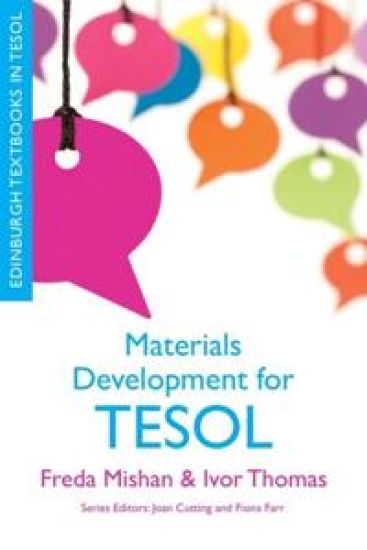
Materials Development for TESOL

Materials Development for TESOL

Freda Mishan; Ivor Timmis

Edinburgh University Press
2015
sidottu
Teaching English as a Second or Other Language (TESOL) is a multifaceted academic discipline requiring training in linguistics, language acquisition, language pedagogy, methodology, materials development, testing and research, curriculum and syllabus design, programme administration and cross-cultural communication. This series of advanced textbooks in TESOL comprises individual volumes addressing an identifiable subfield within TESOL in more depth than would be covered in an introductory textbook to the area as a whole. Each volume is designed for use alongside taught module-length topics on TESOL degrees. As a whole, the series provides a comprehensive introduction to the subject.
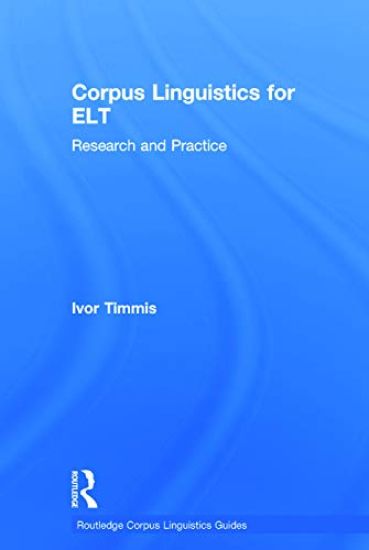
Corpus Linguistics for ELT

Corpus Linguistics for ELT

Ivor Timmis

Routledge
2015
sidottu
Corpus Linguistics for ELT provides a practical guide to undertaking ELT-related corpus research. Aimed at researchers, advanced undergraduate and postgraduate students of ELT and TESOL, and English language teachers, this volume: covers corpus research in the main areas of language study relevant to ELT: grammar, lexis, ESP, spoken grammar and discourse; presents a review of relevant corpus research in these areas, and discusses the implications of this research for ELT; suggests potential ELT-focused corpus research projects, and equips the reader with all the required tools and techniques to carry them out; deals with the growing area of learner corpora and direct classroom application of corpus material.Corpus Linguistics for ELT empowers and inspires readers to carry out their own ELT corpus research, and will allow them in turn to make a significant contribution to corpus-informed ELT pedagogy.
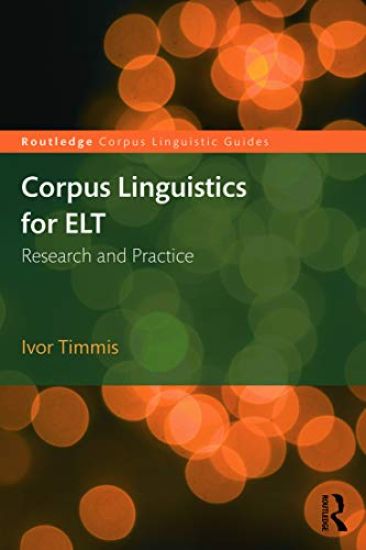
Corpus Linguistics for ELT

Corpus Linguistics for ELT

Ivor Timmis

Routledge
2015
nidottu
Corpus Linguistics for ELT provides a practical guide to undertaking ELT-related corpus research. Aimed at researchers, advanced undergraduate and postgraduate students of ELT and TESOL, and English language teachers, this volume: covers corpus research in the main areas of language study relevant to ELT: grammar, lexis, ESP, spoken grammar and discourse; presents a review of relevant corpus research in these areas, and discusses the implications of this research for ELT; suggests potential ELT-focused corpus research projects, and equips the reader with all the required tools and techniques to carry them out; deals with the growing area of learner corpora and direct classroom application of corpus material.Corpus Linguistics for ELT empowers and inspires readers to carry out their own ELT corpus research, and will allow them in turn to make a significant contribution to corpus-informed ELT pedagogy.