Kirjojen hintavertailu. Mukana 12 200 370 kirjaa ja 12 kauppaa.
Kirjailija
J.A. Mangan
Kirjat ja teokset yhdessä paikassa: 20 kirjaa, julkaisuja vuosilta 1998-2023, suosituimpien joukossa Superman Supreme. Vertaile teosten hintoja ja tarkista saatavuus suomalaisista kirjakaupoista.
Mukana myös kirjoitusasut: J. A. Mangan, J A Mangan
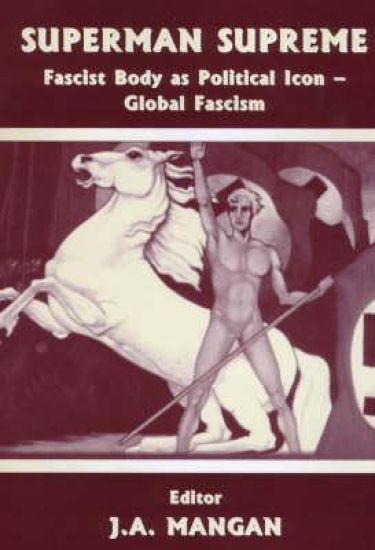
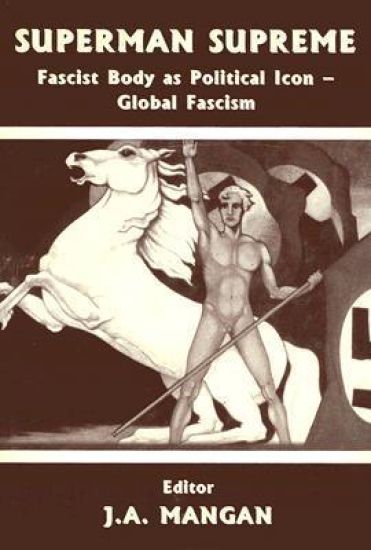
The supremacy of the global fascist superman never became a reality but was certainly an intention. This work explores the use of the image of the male body in European, American and Asian fascism of varying degrees and various interpretations, and the differences and similarities involved.
The supremacy of the global fascist superman never became a reality but was certainly an intention. This work explores the use of the image of the male body in European, American and Asian fascism of varying degrees and various interpretations, and the differences and similarities involved.
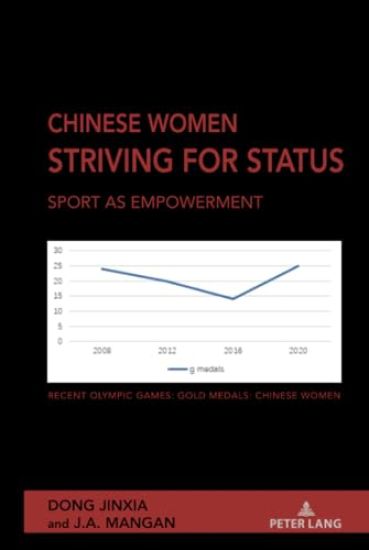
The book Chinese Women Striving for Status: Sport as Empowerment is original in focus and in evidence. It analyses for the first time, in informed and substantial detail, the extraordinary, successful and impressive efforts of Chinese sportswomen in their collective striving for, and achieving of, national and international recognition, status and supremacy. The performances and achievements of these women have thrust them to the very center of the global spotlight. Among the most dramatic, recent developments in Chinese society has been the international ascendancy of these Chinese sportswomen: an intentional and impressive demonstration of soft power politics. In the late twentieth century, Deng Xiaoping urged the Chinese policymakers to construct a model of "comprehensive national power" – Chinese sportswomen are in the vanguard of this construction! More than this, in the process, they have achieved elevated social status, and in some cases considerable wealth! This book is unique in recording their astounding achievements. "Chinese Women Striving for Status: I marvel at the complexities of the summaries. The book is certain to be important." – Professor Sheldon Rothblatt, Formerly of the Department of History and Director of the Center for Studies in Higher Education, University of California (Berkeley)
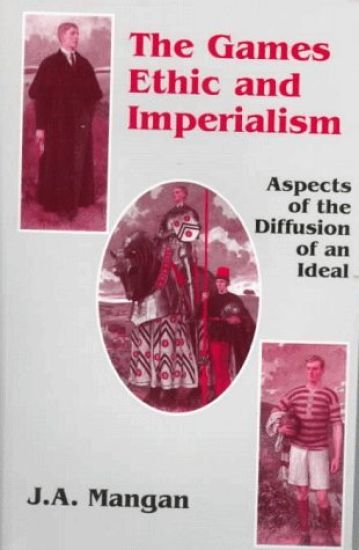
This is more than a description of the imperial spread of public school games: it considers hegemony and patronage, ideals and idealism, educational values and aspirations, cultural assimilation and adaptation and the dissemination of the moralistic ideology of athleticism.
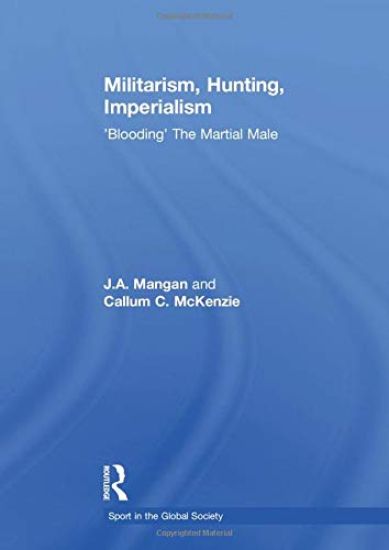
The late Victorian and Edwardian officer class viewed hunting and big game hunting in particular, as a sound preparation for imperial warfare. For the imperial officer in the making, the ‘blooding’ hunting ritual was a visible ‘hallmark’ of stirling martial masculinity. Sir Henry Newbolt, the period poet of subaltern self-sacrifice, typically considered hunting as essential for the creation of a ‘masculine sporting spirit’ necessary for the consolidation and extension of the empire. Hunting was seen as a manifestation of Darwinian masculinity that maintained a pre-ordained hierarchical order of superordinate and subordinate breeds.Militarism, Hunting, Imperialism examines these ideas under the following five sections:martial imperialism: the self-sacrificial subaltern‘blooding’ the middle class martial malethe imperial officer, hunting and warmartial masculinity proclaimed and consolidatedmartial masculinity adapted and adjusted.This book was published as a special issue of the International Journal of the History of Sport.
Now unknown or forgotten, influential schoolmasters took the game of association football to many parts of England. They had several roles: they brought the game to individual schools, they established regional and national leagues and associations, and they founded professional football clubs. They also exported the game around the world, working as moral missionaries, passionate players and energetic entrepreneurs. The role of teachers in association football is a much neglected aspect of English cultural history. It is a story that deserves to be told because it allows a fundamental reappraisal of the status and position of these teachers in late nineteenth century and early twentieth century society.This volume was previously published as a special issue of the journal Soccer and Society.
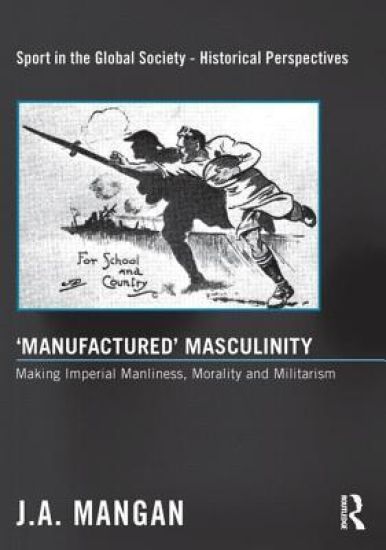
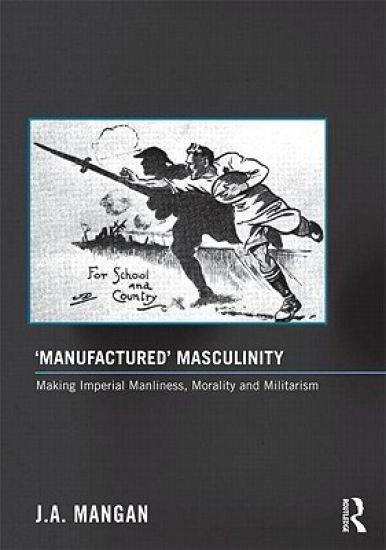
'Manufactured' Masculinity should be considered essential reading for scholars in the humanities and social sciences at every level and in all parts of the academic world. It weaves together brilliantly the elements of the 'manufacture' of masculinity in the period world-famous 'public' school system for the privileged which serviced the largest empire, the world has ever known, at the zenith of its control and which has had a significant influence in the formation of the modern world. This authoritative study of the making of British imperial masculinity shines light on the period of Muscular Christianity, Social Darwinism and Militarism as meshed ideological instruments of both power and persuasion.This magisterial study reveals the extraordinary and paramount influence of games fields as the 'machine tools' in an 'industrial process' with the schools as 'workshops' containing 'cultural conveyor-belts' for the production of robust, committed and confident servants of empire, and templates for imperial reproduction in imperial possessions. Mainly on efficient 'production belt' playing fields of the privileged minds were moulded, attitudes were constructed and bodies shaped - for imperial manhood. Earlier 'manliness' was metamorphosized, morality was redefined and militarism at the high point of imperial grandeur was an adjunct. Professor Mangan outlines this unique process of cultural conditioning with a unique range of evidence and analysis.This book was published as a special double issue of the International Journal of the History of Sport.
'Manufactured' Masculinity should be considered essential reading for scholars in the humanities and social sciences at every level and in all parts of the academic world. It weaves together brilliantly the elements of the 'manufacture' of masculinity in the period world-famous 'public' school system for the privileged which serviced the largest empire, the world has ever known, at the zenith of its control and which has had a significant influence in the formation of the modern world. This authoritative study of the making of British imperial masculinity shines light on the period of Muscular Christianity, Social Darwinism and Militarism as meshed ideological instruments of both power and persuasion.This magisterial study reveals the extraordinary and paramount influence of games fields as the 'machine tools' in an 'industrial process' with the schools as 'workshops' containing 'cultural conveyor-belts' for the production of robust, committed and confident servants of empire, and templates for imperial reproduction in imperial possessions. Mainly on efficient 'production belt' playing fields of the privileged minds were moulded, attitudes were constructed and bodies shaped - for imperial manhood. Earlier 'manliness' was metamorphosized, morality was redefined and militarism at the high point of imperial grandeur was an adjunct. Professor Mangan outlines this unique process of cultural conditioning with a unique range of evidence and analysis.This book was published as a special double issue of the International Journal of the History of Sport.
The late Victorian and Edwardian officer class viewed hunting and big game hunting in particular, as a sound preparation for imperial warfare. For the imperial officer in the making, the ‘blooding’ hunting ritual was a visible ‘hallmark’ of stirling martial masculinity. Sir Henry Newbolt, the period poet of subaltern self-sacrifice, typically considered hunting as essential for the creation of a ‘masculine sporting spirit’ necessary for the consolidation and extension of the empire. Hunting was seen as a manifestation of Darwinian masculinity that maintained a pre-ordained hierarchical order of superordinate and subordinate breeds.Militarism, Hunting, Imperialism examines these ideas under the following five sections:martial imperialism: the self-sacrificial subaltern‘blooding’ the middle class martial malethe imperial officer, hunting and warmartial masculinity proclaimed and consolidatedmartial masculinity adapted and adjusted.This book was published as a special issue of the International Journal of the History of Sport.
Now unknown or forgotten, influential schoolmasters took the game of association football to many parts of England. They had several roles: they brought the game to individual schools, they established regional and national leagues and associations, and they founded professional football clubs. They also exported the game around the world, working as moral missionaries, passionate players and energetic entrepreneurs. The role of teachers in association football is a much neglected aspect of English cultural history. It is a story that deserves to be told because it allows a fundamental reappraisal of the status and position of these teachers in late nineteenth century and early twentieth century society.This volume was previously published as a special issue of the journal Soccer and Society.
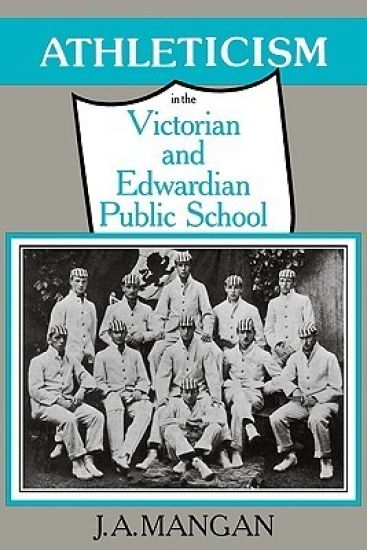
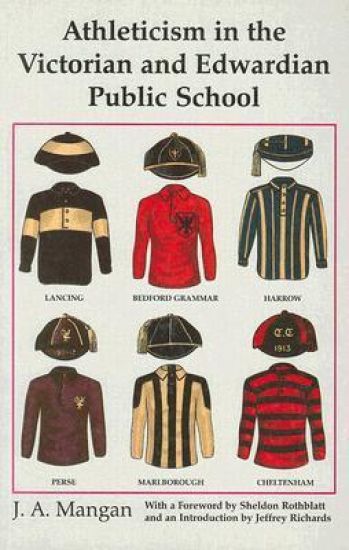
Games obsessed the Victorian and Edwardian public schools. This obsession has become widely known as athleticism. Now commonly regarded as an indulgence, it was in fact much more: a combination of hedonism and idealism. This is a major study of the games ethos which dominated the lives of many Victorian and Edwardian public school boys. It includes much hitherto unpublished material about schools, people, practices and attitudes, and adds insights and subtlety to earlier, uncomplicated generalizations. Dr Mangan's readable and engrossing study of athleticism is a work of substantial and fluent scholarship. It is an original and stimulating contribution to the history of public schools, educational ideologies and secondary education which will interest the general reader as well as the social scientist, historian and educationalist.
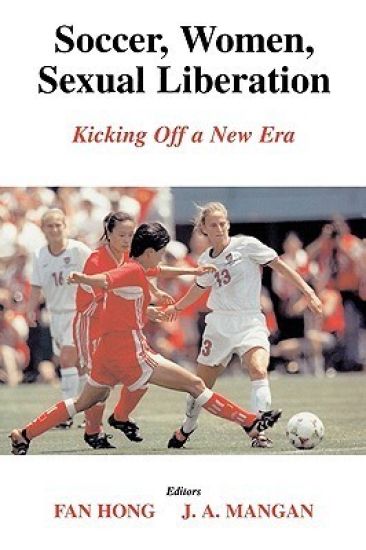
This is the first in-depth global study of women's football across the world. This collection considers women's football, in fifteen countries worldwide, in a global context, and analyzes its progress, challenges and problems it has faced.It shows how women's football has made a significant contribution to the emancipation of women's football in many countries. It also traces the evolution of women's football in face of resistance, rejection and prejudice and describes women footballer's struggle for equal rights in a male dominated football world.
This is the first in-depth global study of women's football across the world. This collection considers women's football, in fifteen countries worldwide, in a global context, and analyzes its progress, challenges and problems it has faced.It shows how women's football has made a significant contribution to the emancipation of women's football in many countries. It also traces the evolution of women's football in face of resistance, rejection and prejudice and describes women footballer's struggle for equal rights in a male dominated football world.
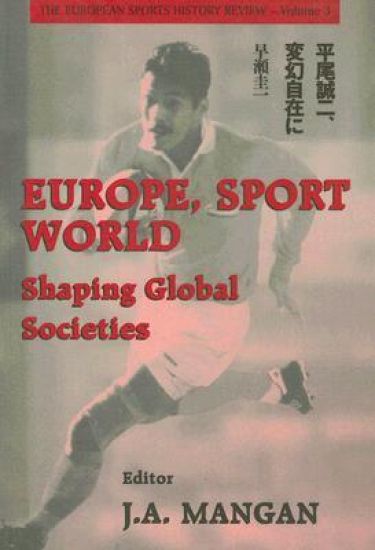
The sports of Europe and the United States were imitated and assimilated and became symbols of national and cosmopolitan identity. This work examines the national and international importance of sport and its role in shaping post-millennium global culture.
The sports of Europe and the United States were imitated and assimilated and became symbols of national and cosmopolitan identity. This work examines the national and international importance of sport and its role in shaping post-millennium global culture.
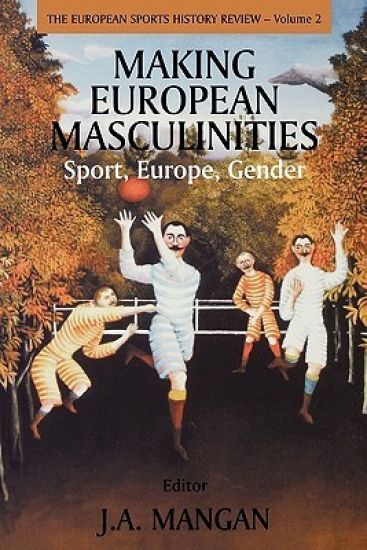
As sport has grown, progressively replacing religion, in its power to excite passion, provide emotional escape, offer fraternal (and increasingly sororital) bonding, it has come to loom larger and larger in the lives of Europeans and others. It has become an inescapable reality linking public environment with intimate experience and thus offers the historian an opportunity to inspect and attempt to grasp all the dimensions of the recent past and their relative share in individual and collective experience. This collection considers the evolution of modern sport in Europe and examines its role in shaping masculine identity.
As sport has grown, progressively replacing religion, in its power to excite passion, provide emotional escape, offer fraternal (and increasingly sororital) bonding, it has come to loom larger and larger in the lives of Europeans and others. It has become an inescapable reality linking public environment with intimate experience and thus offers the historian an opportunity to inspect and attempt to grasp all the dimensions of the recent past and their relative share in individual and collective experience. This collection considers the evolution of modern sport in Europe and examines its role in shaping masculine identity.
Games obsessed the Victorian and Edwardian public schools. The obsession has become widely known as athleticism. When it appeared in 1981, this book was the first major study of the games ethos which dominated the lives of many Victorian and Edwardian public schoolboys. Written with Professor Mangan's customary panache, it has become a classic, the seminal work on the social and cultural history of modern sport.
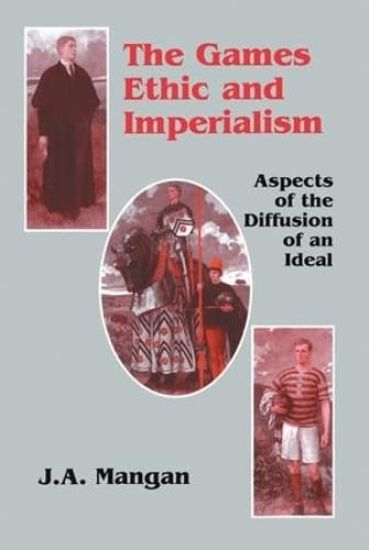
This is more than a description of the imperial spread of public school games: it considers hegemony and patronage, ideals and idealism, educational values and aspirations, cultural assimilation and adaptation and the dissemination of the moralistic ideology of athleticism.
Games obsessed the Victorian and Edwardian public schools. The obsession has become widely known as athleticism. When it appeared in 1981, this book was the first major study of the games ethos which dominated the lives of many Victorian and Edwardian public schoolboys. Written with Professor Mangan's customary panache, it has become a classic, the seminal work on the social and cultural history of modern sport.