

Kirjailija
J.E. Peterson
Kirjat ja teokset yhdessä paikassa: 15 kirjaa, julkaisuja vuosilta 1988-2024, suosituimpien joukossa The Arab Gulf States. Vertaile teosten hintoja ja tarkista saatavuus suomalaisista kirjakaupoista.
Mukana myös kirjoitusasut: J. E. Peterson
15 kirjaa
Kirjojen julkaisuhaarukka 1988-2024.
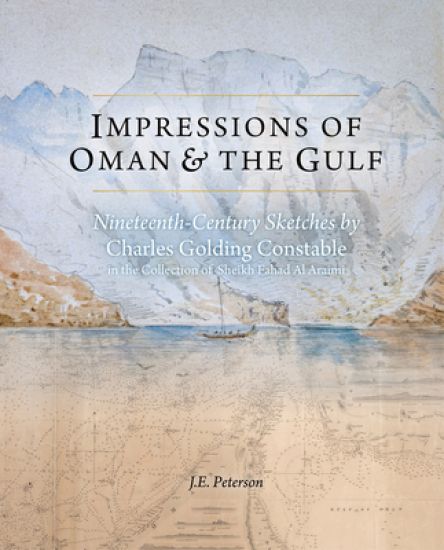
Impressions of Oman & the Gulf
J.E. Peterson; H.E. Jamal al-Moosawi
Scala Arts Heritage Publishers Ltd
2023
sidottu
Artists have long been drawn to Oman’s picturesque settlements and dramatic landscapes. During the 1840s and 1850s, Charles Golding Constable, second son of the British painter John Constable, made a series of watercolour sketches of coastal Oman and other locations in the Gulf in his role as a maritime surveyor for the East India Company. This large-format volume reproduces 29 of his watercolours, along with his acclaimed 1860 chart of the Gulf, and a full facsimile and transcript of the commonplace book that he kept on his voyages. This collection is on long-term loan from Sheikh Fahad bin Abdullah bin Ali al-Araimi at the National Museum – Sultanate of Oman. Impressions of Oman & the Gulf is written by J.E. Peterson, a leading historian of the region, and his fascinating introduction provides a biographical portrait of Constable and the historical context of his artworks.
The Kingdom of Saudi Arabia now has been under the spotlight of Western curiosity for more than 80 years. With each succeeding year, it seems to encounter increasing scrutiny and deepening suspicions about its intentions. Mre than 15% of the world’s total oil reserves lie underneath Saudi Arabia and, in the early 1990s, the kingdom became the world’s largest crude oil producer. Not surprisingly, a world highly dependent on oil regards the desert kingdom as an area of intense strategic concern, as reflected in the coalition of forces assembled on Saudi soil to oust Iraq from Kuwait in 1991, its role in the invasion of Saddam Husayn’s Iraq in 2003, and its shared concern with the West over Iran’s nuclear intentions throughout the 21st century. This third edition of Historical Dictionary of Saudi Arabia contains a chronology, an introduction, and an extensive bibliography. The dictionary section has over 1,000 cross-referenced entries on important personalities, politics, economy, foreign relations, religion, and culture. This book is an excellent resource for students, researchers, and anyone wanting to know more about Saudi Arabia.

How to balance hereditary leadership, conformity to Islam, and the demands of a traditional society based on the family and tribal configurations with the vital need to promote modern economic development? The Modernization of Tradition is a direct study of just such a dilemma in the Arab Gulf States. The modernizing impact of the Ottoman, and especially British Empires was overshadowed by the effect of vast oil revenues in such countries as Saudi Arabia and Kuwait, as well as the other Gulf States. This huge new influx of capital created the need for a different kind of bureaucracy geared to different aims, and led to considerable political change. These cultural poles--the drive to look to the future and the yearning to stay true to the past--have engendered tensions in the states of the Arabian peninsula, where hereditary monarchies and modern political and social infrastructures sit uncomfortably together.
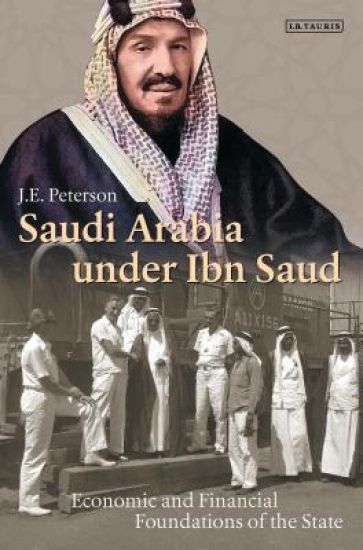
At its founding in 1932, the Kingdom of Saudi Arabia was characterized by tribal warfare, political instability, chronic financial shortages and economic crises. As a desert chieftain, Abd al-Aziz Ibn Saud, the ruler and king until 1953, had the skills, the cunning and the power to control the tribes and bring peace to this realm. But financial and economic matters were not his forte and these he left mostly to a single individual, Abdullah al-Sulayman al-Hamdan. He was entrusted with nearly all of the country’s early financial dealings and administrative development. The Ministry of Finance, which he headed from its inception, served as nearly the sole government agency dealing with a wide variety of matters, many of which had only a peripheral connection to finance or the economy. This book examines the role of the Ministry of Finance and its minister, Abdullah al-Sulayman, in holding the country together financially and administratively until the promise of substantial oil income was realized a few years after the end of World War II. It will be essential reading for anyone interested in Gulf History and the Economic History of the Middle East.

The defence of the Gulf has been a vital strategic concern for close on 100 years. The British first became involved in the Gulf to protect the sea routes to India and with the development of international air routes the Gulf became a crucial staging post. This book, first published in 1986, surveys the strategic issues in the defence of the Gulf from the earliest British involvement up to the Iraq-Iran war. It examines the British retreat from the Gulf and the imperial vestiges that were left behind. It considers the way in which American interests in the Gulf came to replace British interests and it analyses how American foreign policy has responded to this additional responsibility. The book also investigates the regional concerns of Gulf security and the intra-regional conflicts that have erupted in the Iraq-Iran war.
The development of North Yemen in the twentieth century was one of the most interesting features of the Arabian Peninsula. After the traumas of the civil war which embroiled Nasser’s Egypt, the country emerged from its traditional tribal heritage into the modern world. Sandwiched between Saudi Arabia and Marxist South Yemen, the country had an awkward and delicate problem in balancing its political affiliations and in resisting external pressure on its internal affairs. This book, first published in 1982, traces the history of the Yemen from the 1930s and looks at the way in which the traditional political structures were modernised and how the country coped with these strains both internally and externally.

Oman was ruled by the Al Bu Sa’id for 250 years, and during this period the fortunes of the state varied considerably. But in July 1970, as a result of a palace coup, the state abruptly turned away from isolation and traditions of the past. The most obvious alteration was in the dramatic change in the outward appearance of the country, particularly as exemplified by the rejection of the long era of stagnation and the parallel emphasis on socio-economic development. In the political realm, however, the shifting balance of power and the rapid growth and diversification of the state’s administrative structure were based essentially on perennial themes in Omani politics. The interplay between four of these themes forms the basis of this study, first published in 1978. The role of the Sultan and the ruling family, the development of the administration, the exercise of tribal politics and the impact of external influences on the state are closely examined and the modifications they went in response to the various challenges of the twentieth century are discussed. The constant flux in the relative importance of each of these themes illustrates the fragile nature of the traditional Omani political system, for in the twentieth century the Al Bu Sa’id Sultanate found its precarious hold over the country challenged on a number of occasions. These challenges – ranging from the tribal and religious rebellion of 1913-20, to the Marxist-Leninist revolt in Dhufar – are also analysed in detail, together with the response of the Sultanate to their impact.

This paper examines Saudi Arabia's security from the Saudi point of view, concentrating on internal challenges to the country's security as well as external threats. It also surveys US-Saudi relations in the aftermath of the terrorist strikes of the 11th of September 2001.

The defence of the Gulf has been a vital strategic concern for close on 100 years. The British first became involved in the Gulf to protect the sea routes to India and with the development of international air routes the Gulf became a crucial staging post. This book, first published in 1986, surveys the strategic issues in the defence of the Gulf from the earliest British involvement up to the Iraq-Iran war. It examines the British retreat from the Gulf and the imperial vestiges that were left behind. It considers the way in which American interests in the Gulf came to replace British interests and it analyses how American foreign policy has responded to this additional responsibility. The book also investigates the regional concerns of Gulf security and the intra-regional conflicts that have erupted in the Iraq-Iran war.

The development of North Yemen in the twentieth century was one of the most interesting features of the Arabian Peninsula. After the traumas of the civil war which embroiled Nasser’s Egypt, the country emerged from its traditional tribal heritage into the modern world. Sandwiched between Saudi Arabia and Marxist South Yemen, the country had an awkward and delicate problem in balancing its political affiliations and in resisting external pressure on its internal affairs. This book, first published in 1982, traces the history of the Yemen from the 1930s and looks at the way in which the traditional political structures were modernised and how the country coped with these strains both internally and externally.

Oman was ruled by the Al Bu Sa’id for 250 years, and during this period the fortunes of the state varied considerably. But in July 1970, as a result of a palace coup, the state abruptly turned away from isolation and traditions of the past. The most obvious alteration was in the dramatic change in the outward appearance of the country, particularly as exemplified by the rejection of the long era of stagnation and the parallel emphasis on socio-economic development. In the political realm, however, the shifting balance of power and the rapid growth and diversification of the state’s administrative structure were based essentially on perennial themes in Omani politics. The interplay between four of these themes forms the basis of this study, first published in 1978. The role of the Sultan and the ruling family, the development of the administration, the exercise of tribal politics and the impact of external influences on the state are closely examined and the modifications they went in response to the various challenges of the twentieth century are discussed. The constant flux in the relative importance of each of these themes illustrates the fragile nature of the traditional Omani political system, for in the twentieth century the Al Bu Sa’id Sultanate found its precarious hold over the country challenged on a number of occasions. These challenges – ranging from the tribal and religious rebellion of 1913-20, to the Marxist-Leninist revolt in Dhufar – are also analysed in detail, together with the response of the Sultanate to their impact.

First Published in 2005. Routledge is an imprint of Taylor & Francis, an informa company.

This book opens with an interesting question: Why do monarchies, which seem to be dying out everywhere else, thrive in the Middle East? The answer by Peterson, an expert on the Arabian peninsula who has already written fine books on Oman and North Yemen, is that the Emirs of the Arab Gulf have sought to be accountable to their citizens through a flexible mixture of traditional assemblies like the diwan and modern instruments like parliaments and an independent press. Peterson illustrates his argument with detailed case studies of political institutions in Kuwait and Bahrain and with looser comparisons of the United Arab Emirates, Qatar, Oman, and Saudi Arabia. Lucid writing and fascinating anecdotes make the text accessible to undergraduates interested in the Gulf, modernization, or democratization in the Third World. Choice
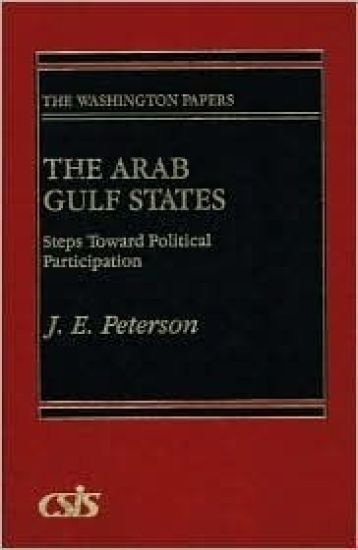
This book opens with an interesting question: Why do monarchies, which seem to be dying out everywhere else, thrive in the Middle East? The answer by Peterson, an expert on the Arabian peninsula who has already written fine books on Oman and North Yemen, is that the Emirs of the Arab Gulf have sought to be accountable to their citizens through a flexible mixture of traditional assemblies like the diwan and modern instruments like parliaments and an independent press. Peterson illustrates his argument with detailed case studies of political institutions in Kuwait and Bahrain and with looser comparisons of the United Arab Emirates, Qatar, Oman, and Saudi Arabia. Lucid writing and fascinating anecdotes make the text accessible to undergraduates interested in the Gulf, modernization, or democratization in the Third World. Choice