Kirjojen hintavertailu. Mukana 12 145 705 kirjaa ja 12 kauppaa.

Kirjailija

J. Edward Lee

Kirjat ja teokset yhdessä paikassa: 11 kirjaa, julkaisuja vuosilta 2002-2022, suosituimpien joukossa Excerpting American History from 1492 to 1877. Vertaile teosten hintoja ja tarkista saatavuus suomalaisista kirjakaupoista.

Mukana myös kirjoitusasut: J Edward Lee

11 kirjaa

Kirjojen julkaisuhaarukka 2002-2022.

Noble Tragedy

Noble Tragedy

J Edward Lee

Book Vine Press
2022
pokkari
America's Longest War (1945 to 1975) may seem like Ancient History to people born after the evacuation of Saigon (Ho Chi Minh City). This book examines the conflict, its key events, the presidents who were consumed by it, mistakes which were made, its lessons for the 21st century, and places it squarely into the context of the Cold War.Winthrop University history professor Dr. J. Edward Lee suggests that the Vietnam War was a "Noble Tragedy," a mixed metaphor which is relevant in the world of Coronavirus, global tensions, and economic turbulence. He includes a detailed chronology, photographs, and maps.The author writes Noble Tragedy for the post-9/11 generation, but he also writes for a much wider audience.
Excerpting American History from 1492 to 1877
Excerpting American History from 1492 to 1877: Primary Sources and Commentary provides students with a fresh and engaging exploration of key themes in America's past via a collection of documents and narratives. The text examines the themes of cultural interaction, the growth of the American Empire, freedom, and violent arguments over human bondage.This volume, the first in a two-book series, analyzes the period from 1492 to 1877. Each chapter features an introductory essay by the author to provide readers with critical context and perspective, excerpts from primary documents, and questions to stimulate reflection and deep learning. The book also includes five maps, which serve as critical references.Throughout the text, readers explore frozen Beringia, encounter historical figures such as Thomas Jefferson, Abigail Adams, and Benjamin Franklin, and learn about the Bostonians who helped toss East Indian tea into the harbor in 1773. They read the arguments of women fighting for gender equality at Seneca Falls, perspectives on freedom from emancipated slaves, and ideas surrounding Reconstruction.Excerpting American History from 1492 to 1877 is an enlightening text for courses in American history. Students can continue their exploration of American history in the second volume in the series, which features primary sources and commentary chronicling 1877 to 2001.
Excerpting American History from 1877 to 2001
Excerpting American History from 1877 to 2001: Primary Sources and Commentary provides students with a collection of government documents, newspaper accounts, manuscripts, letters, diaries, speeches, and more to provide them with an immersive and intimate exploration of the United States from the dawn of the Gilded Age to the harrowing events of September 11, 2001.This volume, the second in a two-book series, analyzes American history from 1877 to 2001. Each chapter features an introductory essay by the author to provide readers with critical context and perspective, excerpts from primary documents, and questions to stimulate reflection and deep learning. Readers learn about the industry, invention, and economic growth that boomed during the Gilded Age, but which also excluded many Americans, including new immigrants, farmers, African Americans, and women. They read about the progressive policies of Theodore Roosevelt, William Taft, and Woodrow Wilson. Select primary sources share perspectives on the Great War, the Second World War, the Jazz Age, the Harlem Renaissance, the Great Depression, the economic challenges of the 1970s, and more.Excerpting American History from 1877 to 2001 is an exemplary text for courses in American history. Students can rewind their exploration of American history and revisit the past in the first volume in the series, which features primary sources and commentary chronicling 1492 to 1877.
Excerpting American History from 1877 to 2001: Primary Sources and Commentary
Excerpting American History from 1877 to 2001: Primary Sources and Commentary provides students with a collection of government documents, newspaper accounts, manuscripts, letters, diaries, speeches, and more to provide them with an immersive and intimate exploration of the United States from the dawn of the Gilded Age to the harrowing events of September 11, 2001.This volume, the second in a two-book series, analyzes American history from 1877 to 2001. Each chapter features an introductory essay by the author to provide readers with critical context and perspective, excerpts from primary documents, and questions to stimulate reflection and deep learning.Readers learn about the industry, invention, and economic growth that boomed during the Gilded Age, but which also excluded many Americans, including new immigrants, farmers, African Americans, and women. They read about the progressive policies of Theodore Roosevelt, William Taft, and Woodrow Wilson. Select primary sources share perspectives on the Great War, the Second World War, the Jazz Age, the Harlem Renaissance, the Great Depression, the economic challenges of the 1970s, and more.Excerpting American History from 1877 to 2001 is an exemplary text for courses in American history. Students can rewind their exploration of American history and revisit the past in the first volume in the series, which features primary sources and commentary chronicling 1492 to 1877.

Excerpting American History from 1492 to 1877: Primary Sources and Commentary
Excerpting American History from 1492 to 1877: Primary Sources and Commentary provides students with a fresh and engaging exploration of key themes in America's past via a collection of documents and narratives. The text examines the themes of cultural interaction, the growth of the American Empire, freedom, and violent arguments over human bondage.This volume, the first in a two-book series, analyzes the period from 1492 to 1877. Each chapter features an introductory essay by the author to provide readers with critical context and perspective, excerpts from primary documents, and questions to stimulate reflection and deep learning. The book also includes five maps, which serve as critical references.Throughout the text, readers explore frozen Beringia, encounter historical figures such as Thomas Jefferson, Abigail Adams, and Benjamin Franklin, and learn about the Bostonians who helped toss East Indian tea into the harbor in 1773. They read the arguments of women fighting for gender equality at Seneca Falls, perspectives on freedom from emancipated slaves, and ideas surrounding Reconstruction.Excerpting American History from 1492 to 1877 is an enlightening text for courses in American history. Students can continue their exploration of American history in the second volume in the series, which features primary sources and commentary chronicling 1877 to 2001.
The First Mistake

The First Mistake

J Edward Lee

Palmetto Publishing
2020
pokkari
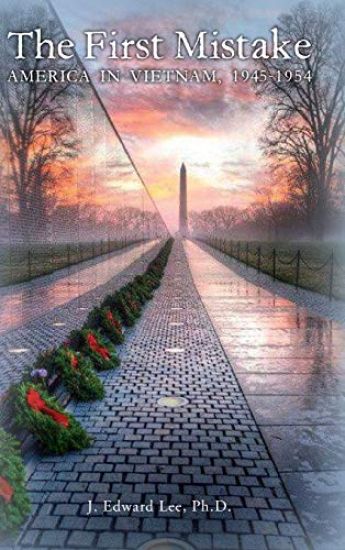
When writing about the Vietnam War, most scholars focus on the 1960s. But in this hard-hitting analysis, eminent historian Dr. J. Edward Lee focuses instead on the key period of 1945 to 1954, the first decade of America's Vietnam War experience. He suggests that as the Cold War commenced in 1945, America failed to remember our nation's own revolutionary experience and the importance of independence and self-determination, missing an opportunity to build a positive relationship with Ho Chi Minh when we aided the return of French colonialism instead of working with him to achieve his country's independence from imperialist France. A must-read for university classes studying the 20th century, veterans groups, and anyone interested in the gritty history of the Vietnam War.
The First Mistake

The First Mistake

J Edward Lee

Palmetto Publishing
2020
sidottu
When writing about the Vietnam War, most scholars focus on the 1960s. But in this hard-hitting analysis, eminent historian Dr. J. Edward Lee focuses instead on the key period of 1945 to 1954, the first decade of America's Vietnam War experience. He suggests that as the Cold War commenced in 1945, America failed to remember our nation's own revolutionary experience and the importance of independence and self-determination, missing an opportunity to build a positive relationship with Ho Chi Minh when we aided the return of French colonialism instead of working with him to achieve his country's independence from imperialist France. A must-read for university classes studying the 20th century, veterans groups, and anyone interested in the gritty history of the Vietnam War.
John Gary Anderson and His Maverick Motor Company: The Rise and Fall of Henry Ford's Rock Hill Rival
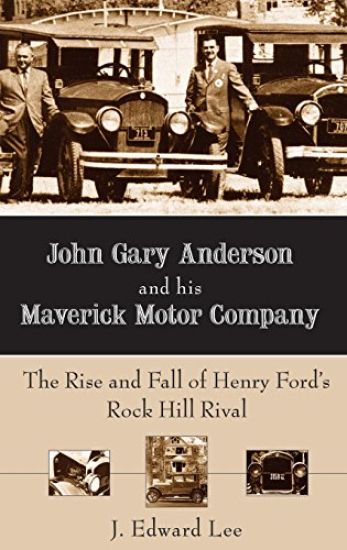
To John Gary Anderson, a well-designed, well-made, well-marketed car would speed to the head of the pack, leaving the bewildered competition in its dust. John Gary Anderson?the hungry visionary who founded the Anderson Car Company and attempted to revitalize Rock Hill, South Carolina, as the automobile capital of the country - never forgot where he came from and never lost sight of where he wanted to go. Born into poverty during the Civil War, Anderson's industrial ingenuity and drive would come to symbolize the New South, and his devotion to the economic livelihood of his home would not be forgotten. At the beginning of the twentieth century, Anderson was poised for unstoppable success in the new automobile industry - until it all came crashing down.
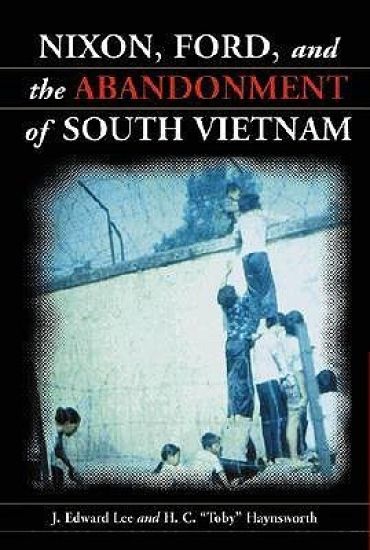
Nixon, Ford and the Abandonment of South Vietnam

Nixon, Ford and the Abandonment of South Vietnam

J. Edward Lee; H.C. “Toby” Haynsworth

McFarland Co Inc
2002
pokkari
South Vietnam fell because of events occurring thousands of miles away from the battlefields--in China, the Soviet Union, Latin America, the Middle East, and Washington's corridors of power, along protest lines, and around America's dinner tables. These other wars being fought by American presidents Richard Nixon and Gerald Ford profoundly impacted what happened in Vietnam. This work examines those other conflicts and the political, social, and economic factors involved with them that distracted and crippled the presidencies of Richard Nixon and Gerald Ford and led to the eventual abandonment of the U.S.-supported South Vietnamese regime. Nixon entered office with the goal of bringing the world together, but saw that goal ruined by the 1973 war in the Middle East, preoccupations with China and the Soviet Union, a weak economy, Watergate, and his disgraceful exit from the White House. Ford's presidency was tainted almost from the beginning because of the pardon he granted to Nixon, but the American public, tired of war and concerned about the economy, was ready to hear that the war had come to an end. An argument is presented that the war could have been won if the "other wars" had been fought by presidents willing to honor the American commitment to its allies in South Vietnam.