Kirjojen hintavertailu. Mukana 12 595 353 kirjaa ja 12 kauppaa.

Kirjailija

J. Edward Wright

Kirjat ja teokset yhdessä paikassa: 3 kirjaa, julkaisuja vuosilta 2000-2003, suosituimpien joukossa Baruch Ben Neriah. Vertaile teosten hintoja ja tarkista saatavuus suomalaisista kirjakaupoista.

Mukana myös kirjoitusasut: J.Edward Wright

3 kirjaa

Kirjojen julkaisuhaarukka 2000-2003.

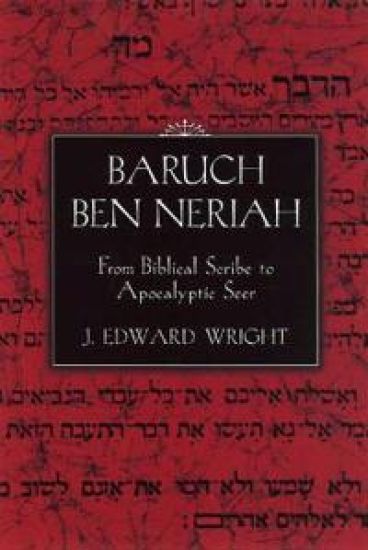
Baruch Ben Neriah

Baruch Ben Neriah

J.Edward Wright

University of South Carolina Press
2003
sidottu
This work traces the evolution of a biblical figure whose legacy grew from that of a scribe who edited or wrote the Book of Jeremiah to a divine sage granted a tour of heaven itself. It charts the significance of a minor figure who gradually became a larger-than-life hero in the Jewish and Christian popular imagination. In addition to exploring biblical and postbiblical depictions, it also shows how the various portrayals reveal the leadership models and religious values of early Jewish and Christian communities. It suggests that these communities reinvented Baruch to meet the pressing issues of their day. The text examines the scribe as depicted in the Bible, noting his distinction as one of the few characters whose existence can be attested by archaeological evidence. A loyal friend of Jeremiah, Baruch is recorded to have received a mysterious oracle from God in the midst of Jerusalem's destruction by the Babylonians. The volume explores how beliefs about this message provided the postbiblical impetus for Baruch's transformation into an apocalyptic seer.
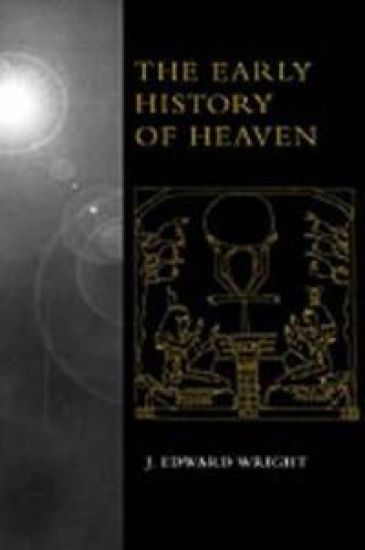
The Early History of Heaven

The Early History of Heaven

J. Edward Wright

Oxford University Press Inc
2002
nidottu
When we think of "heaven," we generally conjure up positive, blissful images. Heaven is, after all, where God is and where good people go after death to receive their reward. But how and why did Western cultures come to imagine the heavenly realm in such terms? Why is heaven usually thought to be "up there," far beyond the visible sky? And what is the source of the idea that the post mortem abode of the righteous is in this heavenly realm with God? Seeking to discover the roots of these familiar notions, this volume traces the backgrounds, origin, and development of early Jewish and Christian speculation about the heavenly realm -- where it is, what it looks like, and who its inhabitants are. Wright begins his study with an examination of the beliefs of ancient Israel's neighbors Egypt and Mesopotamia, reconstructing the intellectual context in which the earliest biblical images of heaven arose. A detailed analysis of the Hebrew biblical texts themselves then reveals that the Israelites were deeply influenced by images drawn from the surrounding cultures. Wright goes on to examine Persian and Greco-Roman beliefs, thus setting the stage for his consideration of early Jewish and Christian images, which he shows to have been formed in the struggle to integrate traditional biblical imagery with the newer Hellenistic ideas about the cosmos. In a final chapter Wright offers a brief survey of how later Jewish, Christian, and Islamic traditions envisioned the heavenly realms. Accessible to a wide range of readers, this provocative book will interest anyone who is curious about the origins of this extraordinarily pervasive and influential idea.
The Early History of Heaven

The Early History of Heaven

J. Edward Wright

Oxford University Press Inc
2000
sidottu
This volume traces the backgrounds, origin, and development of early Jewish and Christian speculation about the heavenly realm -- where it is, what it looks like, and who its inhabitants are. Wright begins his study with an examination of the beliefs of ancient Israel's neighbours Egypt and Mesopotamia, reconstructing the intellectual context in which the earliest biblical images of heaven arose. A detailed analysis of the Hebrew biblical texts themselves then reveals that the Israelites were deeply influenced by images drawn from the surrounding cultures. Wright goes on to examine Persian and Greco-Roman beliefs, thus setting the stage for his consideration of early Jewish and Christian images, which he shows to have been formed in the struggle to integrate traditional biblical imagery with the newer Hellenistic ideas about the cosmos. In a final chapter Wright offers a brief survey of how later Jewish, Christian, and Islamic traditions envisioned the heavenly realms.