
Kirjailija
J. W. Rogerson
Kirjat ja teokset yhdessä paikassa: 10 kirjaa, julkaisuja vuosilta 2005-2018, suosituimpien joukossa The City in Biblical Perspective. Vertaile teosten hintoja ja tarkista saatavuus suomalaisista kirjakaupoista.
Mukana myös kirjoitusasut: J.W. Rogerson, J W Rogerson
10 kirjaa
Kirjojen julkaisuhaarukka 2005-2018.
The Holy Spirit in Biblical and Pastoral Perspective
J. W. Rogerson
Beauchief Abbey Press
2013
pokkari
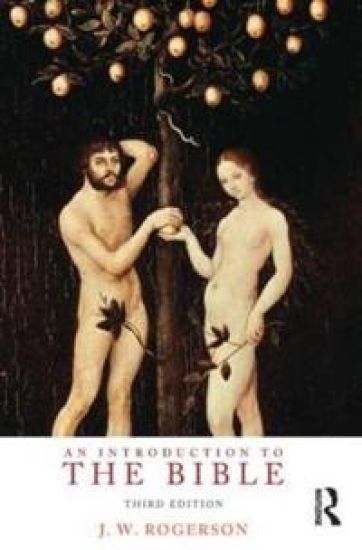
The Bible is one of the most influential and profound texts in human history - it is disturbing, unconventional, and never content with the world as it is. This classic introduction presents a concise and accessible guide to all aspects of biblical study: the nature and purpose of the Bible; how biblical writers wrote; the making of both Old and New Testaments; the making of the Apocrypha; what was left out and what kept in the Bible and why; and how the Bible has been shaped by and continues to shape religion, culture and politics. Completely revised and updated - and considerably extended with much more material on the making of the Old and New Testaments - this third edition takes full account of recent developments in scholarship. It includes maps and a glossary of key terms.
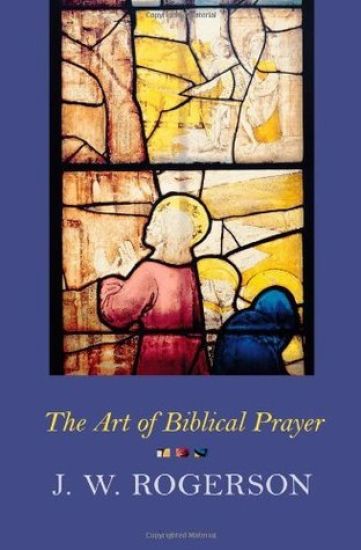
Written by an internationally respected biblical scholar, this book shows how the Bible speaks of prayer as a way of living in connection with God. It is full of fresh biblical insights and down-to-earth advice, and contains an illuminating chapter on the meaning of the Lord's Prayer. There are also helpful summaries and points for reflection or discussion at the ends of chapters. 'Prayer' is a word that is used in a number of different ways. This book aims to show that prayer should be understood as inseparable from Christianity, in the sense that to practise Christianity is to practise prayer and vice versa.Written by an internationally respected biblical scholar, this book shows how the Bible speaks of prayer as a way of living in connection with God. It is full of fresh biblical insights and down-to-earth advice, and contains an illuminating chapter on the meaning of the Lord's Prayer. There are also helpful summaries and points for reflection or discussion at the ends of chapters. 'Prayer' is a word that is used in a number of different ways. This book aims to show that prayer should be understood as inseparable from Christianity, in the sense that to practise Christianity is to practise prayer and vice versa.Written by an internationally respected biblical scholar, this book shows how the Bible speaks of prayer as a way of living in connection with God. It is full of fresh biblical insights and down-to-earth advice, and contains an illuminating chapter on the meaning of the Lord's Prayer. There are also helpful summaries and points for reflection or discussion at the ends of chapters. 'Prayer' is a word that is used in a number of different ways. This book aims to show that prayer should be understood as inseparable from Christianity, in the sense that to practise Christianity is to practise prayer and vice versa.Written by an internationally respected biblical scholar, this book shows how the Bible speaks of prayer as a way of living in connection with God. It is full of fresh biblical insights and down-to-earth advice, and contains an illuminating chapter on the meaning of the Lord's Prayer. There are also helpful summaries and points for reflection or discussion at the ends of chapters. 'Prayer' is a word that is used in a number of different ways. This book aims to show that prayer should be understood as inseparable from Christianity, in the sense that to practise Christianity is to practise prayer and vice versa.
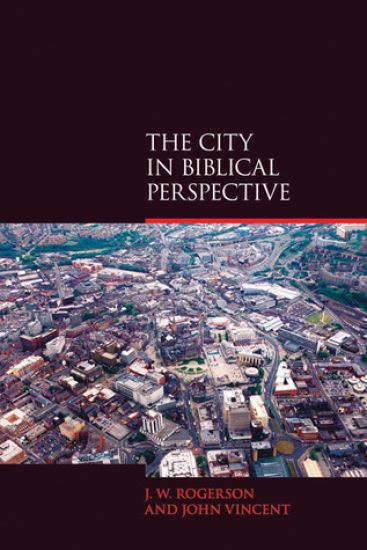
The city is an ambiguous symbol in the Bible. The founder of the first city is the murderer, Cain. The city of Jerusalem is the place chosen by God, yet is also a place of wrong-doing and injustice. Jesus seems to have largely avoided cities except Jerusalem, where he was crucified. 'The City in Biblical Perspective' examines the archaeological and social background of the urban biblical world and explores the implications of the deliberate ambiguities in the biblical text. The book aims to deepen our understanding of both the biblical and the contemporary city by asking how the Bible's complex understanding of the city can illuminate our own ever more urban time.
The city is an ambiguous symbol in the Bible. The founder of the first city is the murderer, Cain. The city of Jerusalem is the place chosen by God, yet is also a place of wrong-doing and injustice. Jesus seems to have largely avoided cities except Jerusalem, where he was crucified. 'The City in Biblical Perspective' examines the archaeological and social background of the urban biblical world and explores the implications of the deliberate ambiguities in the biblical text. The book aims to deepen our understanding of both the biblical and the contemporary city by asking how the Bible's complex understanding of the city can illuminate our own ever more urban time.
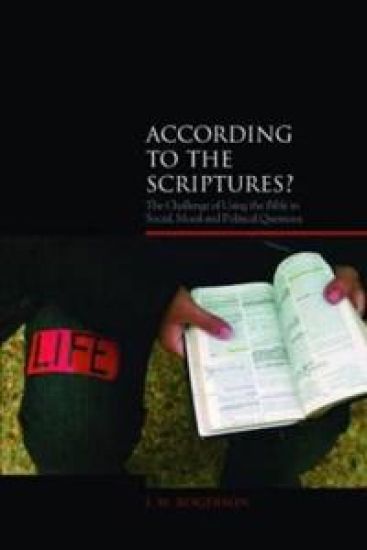
At different times in history, churches have changed their understanding of how biblical commandments should be interpreted and applied. 'According to the Scriptures?' traces the history of the use of the Bible from New Testament invocations of the Old Testament to today. The book opens by outlining the history of how the Bible has been used to answer social, moral and political questions. It goes on to examine a range of case studies - sexual relationships, life issues, attitudes to authority, and the charging of interest - to assess how the Bible can illuminate contemporary concerns.
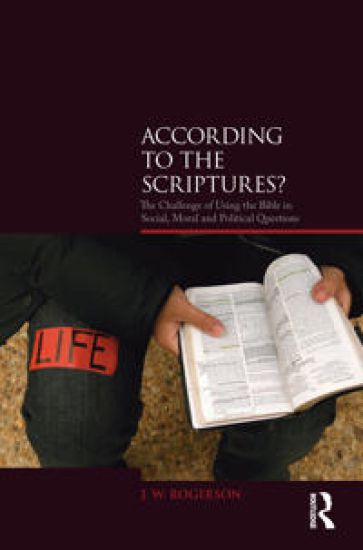
If something is commanded in the Bible, the command must surely be obeyed if we are to be true to the Bible. This is what many people think, especially when they hear representatives of churches today arguing about moral issues. In fact, the matter is not as simple as this, and at various periods of history, churches have had quite differing views on how biblical commandments should be understood, and on whether they can be applied to their situations, if at all. The book falls into two sections. The first sketches the history of the use of the Bible in social, moral and political questions from the use of the Old Testament in the New Testament, to the present day. The second part looks at some case studies, including human and sexual relationships, life issues, attitudes to lawful authority, and the changing of interest.
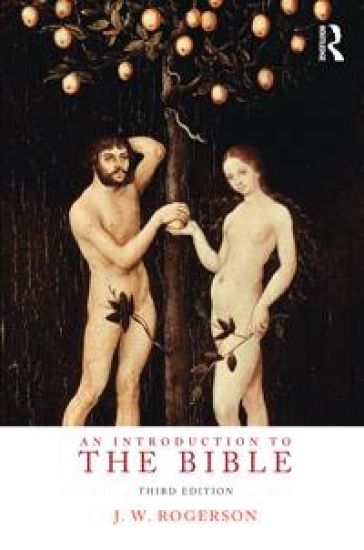
A casual reader enters a bookshop looking for a Bible. However, not all the Bibles on display have the same contents! Some have more books than others, some are study editions, some use gender-free language. How did this come about? This Introduction works back through the processes by which the Bible was written, transmitted, copied and declared to be authoritative by various churches. The following topics are dealt with: What is the Bible?; How Biblical Writers Wrote; The Making of the Old Testament; The Making of the Apocrypha; The Making of the New Testament; The Canon of the Bible; The Study of the Bible; The Use of the Bible in Social, Moral and Political Questions. This updated edition takes account of developments in scholarship since the book was first published in 1999 by Penguin. The original edition has been translated into Spanish and Portuguese.