Kirjojen hintavertailu. Mukana 12 595 353 kirjaa ja 12 kauppaa.

Kirjailija

Jack D. Edinger

Kirjat ja teokset yhdessä paikassa: 5 kirjaa, julkaisuja vuosilta 2010-2014, suosituimpien joukossa Insomnia, An Issue of Sleep Medicine Clinics. Vertaile teosten hintoja ja tarkista saatavuus suomalaisista kirjakaupoista.

Mukana myös kirjoitusasut: Jack D Edinger

5 kirjaa

Kirjojen julkaisuhaarukka 2010-2014.

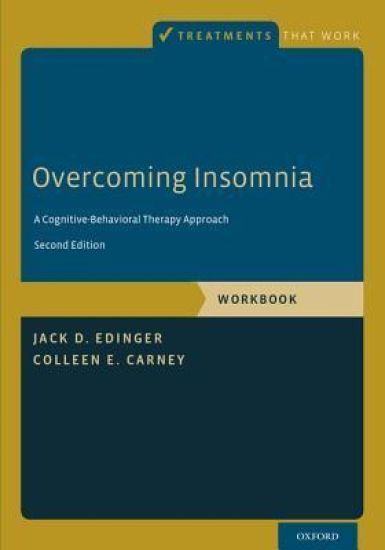
Overcoming Insomnia

Overcoming Insomnia

Jack D. Edinger; Colleen E. Carney

Oxford University Press Inc
2014
nidottu
It is estimated that one in ten U.S. adults suffers from chronic insomnia. If left untreated, chronic insomnia reduces quality of life and increases risk for psychiatric and medical disease, especially depression and anxiety. The Overcoming Insomnia treatment program uses evidence-based cognitive-behavioral therapy (CBT) methods to correct poor sleep habits. CBT has been proven in multiple studies to improve sleep by reducing time spent in bed before sleep onset, reducing time spent awake after first sleep onset, and increasing the quality and efficiency of sleep. This second edition has been thoroughly updated by the program developers, Jack D. Edinger and Colleen E. Carney. Patients use the Workbook in conjunction with the treatment they receive from their therapist. Patients will receive information about healthy sleep and the reasons for improving sleep habits, and the therapist will develop a program to address that patient's specific sleep problems. Use of a sleep diary, assessment forms, and other homework (all provided in the Workbook) allows patient and therapist to work together to develop an effective sleep regimen tailored specifically for each patient.
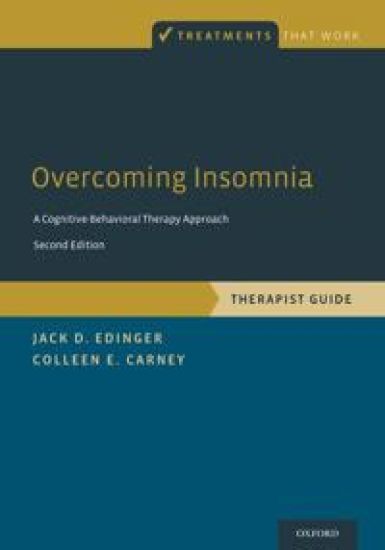
Overcoming Insomnia

Overcoming Insomnia

Jack D. Edinger; Colleen E. Carney

Oxford University Press Inc
2014
nidottu
It is estimated that one in ten U.S. adults suffers from chronic insomnia. If left untreated, chronic insomnia reduces quality of life and increases risk for psychiatric and medical disease, especially depression and anxiety. The Overcoming Insomnia treatment program uses evidence-based cognitive-behavioral therapy (CBT) methods to correct poor sleep habits. CBT has been proven in multiple studies to improve sleep by reducing time spent in bed before sleep onset, reducing time spent awake after first sleep onset, and increasing the quality and efficiency of sleep. Developed by Jack D. Edinger and Colleen E. Carney, this second edition has been thoroughly updated according to the DSM-5, which now conceptualizes insomnia as a sleep-wake disorder, rather than a sleep disorder only. The DSM-5 has also eliminated the differentiation between primary and secondary insomnias, so this program provides an expanded discussion of daytime related issues as well as delivery issues specific to those with comorbid mental and medical problems. Patients are first given information about healthy sleep and the reasons for improving sleep habits, then a behavioral program is developed to address that patient's specific sleep problems. Use of a sleep diary, assessment forms, and other homework (all provided in the corresponding patient Workbook) allows client and therapist to work together to develop an effective sleep regimen tailored specifically for each client, and several sessions are dedicated to increasing compliance and problem-solving.
Insomnia, An Issue of Sleep Medicine Clinics

Insomnia, An Issue of Sleep Medicine Clinics

Jack D Edinger

Elsevier - Health Sciences Division
2013
sidottu
This issue of Sleep Medicine Clinics will be Guest Edited by Jack Edinger, PhD, at National Jewish Health and will focus on Insomnia. Article topics include cognitive-behavioral insomnia therapy, Insomnia and Cancer, Dissemination Training for CBTI, Insomnia and short sleep duration, neurophysiology of sleep quality and insomnia, Pain, Sleep, and Insomnia, Insomnia and obstructive sleep apnea, Epidemiological studies conclusions on nature, persistence, and consequences of insomnia, pharmacological management of insomnia, Hyperarousal and insomnia, role of genes in insomnia expression, and the role of bright light therapy in managing insomnia.
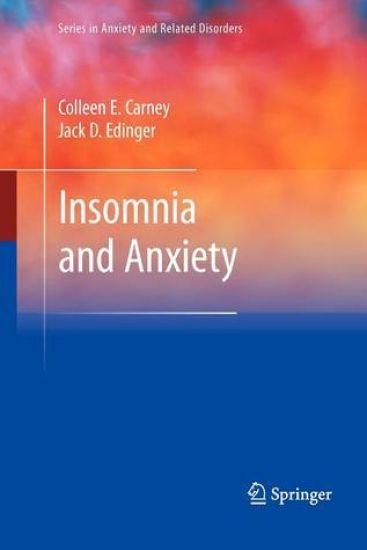
Insomnia and Anxiety

Insomnia and Anxiety

Colleen E. Carney; Jack D. Edinger

Springer-Verlag New York Inc.
2012
nidottu
The statistics show that as much as twenty percent of the population suffers from chronic insomnia—and one-fourth of those with the condition eventually develop an anxiety disorder. As comorbid conditions, they contribute to any number of physical and social problems. Yet too often insomnia is undiagnosed, or treated as merely a symptom of the patient’s anxiety. Insomnia and Anxiety is the first clinician guidebook that considers the evaluation and management of insomnia and related sleep disturbances that occur conjointly with the common anxiety disorders. By exploring the ways that one condition may exacerbate the other, its authors present robust evidence of the limitations of viewing insomnia as secondary to GAD, agoraphobia, PTSD, and others in the anxiety spectrum. The book reviews cognitive and emotional factors common to anxiety and sleep disorders, and models a cognitive-behavioral approach to therapy in which improved sleep is a foundation for improved symptom management. Beginning and veteran practitioners alike will find vital insights into all areas of these challenging cases, including: Diagnostic and assessment guidelines. Cognitive-behavior therapy for insomnia. Behavioral strategies for managing insomnia in the context of anxiety. Cognitive strategies for managing comorbid anxiety and insomnia. Sleep-related cognitive processes. Pharmacological treatment considerations. Insomnia and Anxiety is highly useful to clinical psychologists given the range of treatment strategies it describes and to researchers because of its emphasis on the theoretical and empirical bases for its interventions. In addition, its accessible style makes it an excellent training tool for students of therapy and psychopathology.
Insomnia and Anxiety

Insomnia and Anxiety

Colleen E. Carney; Jack D. Edinger

Springer-Verlag New York Inc.
2010
sidottu
The statistics show that as much as twenty percent of the population suffers from chronic insomnia—and one-fourth of those with the condition eventually develop an anxiety disorder. As comorbid conditions, they contribute to any number of physical and social problems. Yet too often insomnia is undiagnosed, or treated as merely a symptom of the patient’s anxiety. Insomnia and Anxiety is the first clinician guidebook that considers the evaluation and management of insomnia and related sleep disturbances that occur conjointly with the common anxiety disorders. By exploring the ways that one condition may exacerbate the other, its authors present robust evidence of the limitations of viewing insomnia as secondary to GAD, agoraphobia, PTSD, and others in the anxiety spectrum. The book reviews cognitive and emotional factors common to anxiety and sleep disorders, and models a cognitive-behavioral approach to therapy in which improved sleep is a foundation for improved symptom management. Beginning and veteran practitioners alike will find vital insights into all areas of these challenging cases, including: Diagnostic and assessment guidelines. Cognitive-behavior therapy for insomnia. Behavioral strategies for managing insomnia in the context of anxiety. Cognitive strategies for managing comorbid anxiety and insomnia. Sleep-related cognitive processes. Pharmacological treatment considerations. Insomnia and Anxiety is highly useful to clinical psychologists given the range of treatment strategies it describes and to researchers because of its emphasis on the theoretical and empirical bases for its interventions. In addition, its accessible style makes it an excellent training tool for students of therapy and psychopathology.