Kirjojen hintavertailu. Mukana 12 260 476 kirjaa ja 12 kauppaa.

Kirjailija

Jack Nutting

Kirjat ja teokset yhdessä paikassa: 8 kirjaa, julkaisuja vuosilta 2010-2014, suosituimpien joukossa Beginning iOS 6 Development. Vertaile teosten hintoja ja tarkista saatavuus suomalaisista kirjakaupoista.

8 kirjaa

Kirjojen julkaisuhaarukka 2010-2014.

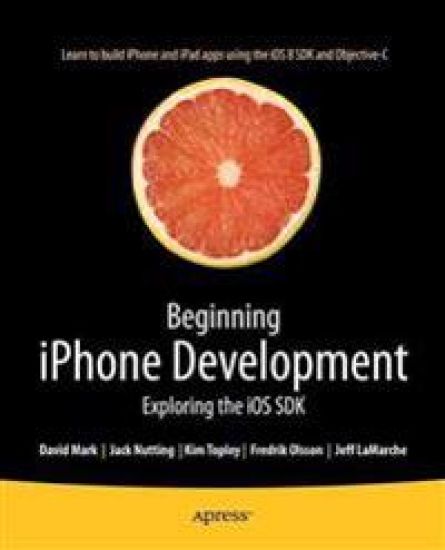
Beginning iPhone Development

Beginning iPhone Development

Jack Nutting; Fredrik Olsson; David Mark; Jeff LaMarche; Kim Topley

APress
2014
nidottu
The team that brought you the bestselling Beginning iPhone Development, the book that taught the world to program on the iPhone, is back again, bringing this definitive guide up-to-date with Apple's latest and greatest new iOS 8 and its SDK, as well as with the latest version of Xcode (6.1).You'll have everything you need to create your very own apps for the latest iOS devices. Every single sample app in the book has been rebuilt from scratch using Xcode 6.1 and the latest 64-bit iOS 8-specific project templates, and designed to take advantage of the latest Xcode features.Assuming only a minimal working knowledge of Objective-C, and written in a friendly, easy-to-follow style, Beginning iPhone Development offers a complete soup-to-nuts course in iPhone, iPad, and iPod touch programming. The book starts with the basics, walking through the process of downloading and installing Xcode 6.1 and the iOS 8 SDK, and then guides you though the creation of your first simple application.From there, you’ll learn how to integrate all the interface elements iOS users have come to know and love, such as buttons, switches, pickers, toolbars, and sliders. You’ll master a variety of design patterns, from the simplest single view to complex hierarchical drill-downs. The confusing art of table building will be demystified, and you’ll learn how to save your data using the iPhone file system. You’ll also learn how to save and retrieve your data using a variety of persistence techniques, including Core Data and SQLite. And there’s much more!
Beginning iOS 7 Development

Beginning iOS 7 Development

Jack Nutting; David Mark; Jeff LaMarche; Fredrik Olsson

APress
2014
nidottu
The team that brought you the bestselling Beginning iPhone Development is back again for Beginning iOS 7 Development, bringing this definitive guide up-to-date with Apple's latest and greatest iOS 7 SDK, as well as with the latest version of Xcode. There’s coverage of brand-new technologies, including a new chapter on Apple's Sprite Kit framework for game development, as well as significant updates to existing material. You'll have everything you need to create your very own apps for the latest iOS devices. Every single sample app in the book has been rebuilt from scratch using latest Xcode and the latest 64-bit iOS 7-specific project templates, and designed to take advantage of the latest Xcode features.Assuming only a minimal working knowledge of Objective-C, and written in a friendly, easy-to-follow style, Beginning iOS 7 Development offers a complete soup-to-nuts course in iPhone, iPad, and iPod touch programming. The book starts with the basics, walking through the process of downloading and installing Xcode and the iOS 7 SDK, and then guides you though the creation of your first simple application. From there, you’ll learn how to integrate all the interface elements iOS users have come to know and love, such as buttons, switches, pickers, toolbars, and sliders. You’ll master a variety of design patterns, from the simplest single view to complex hierarchical drill-downs. The confusing art of table building will be demystified, and you’ll learn how to save your data using the iPhone file system. You’ll also learn how to save and retrieve your data using a variety of persistence techniques, including Core Data and SQLite. And there’s much more!
Learn Cocoa on the Mac

Learn Cocoa on the Mac

Jack Nutting; Peter Clark

APress
2013
nidottu
The Cocoa frameworks are some of the most powerful for creating native OS X apps available today. However, for a first-time Mac developer, just firing up Xcode 4 and starting to browse the documentation can be a daunting and frustrating task. The Objective-C class reference documentation alone would fill thousands of printed pages, not to mention all the other tutorials and guides included with Xcode. Where do you start? Which classes are you going to need to use? How do you use Xcode and the rest of the tools? Learn Cocoa for the Mac, Second Edition, completely revised for OS X Mountain Lion and XCode 4, answers these questions and more, helping you find your way through the jungle of classes, tools, and new concepts so that you can get started on the next great OS X app today. Jack Nutting and Peter Clark are your guides through this forest; Jack and Peter have lived here for years, and will show you which boulder to push, which vine to chop, and which stream to float across in order to make it through. You will learn not only how to use the components of this rich framework, but also which of them fit together, and why. Jack Nutting’s approach, combining pragmatic problem-solving with a deep respect for the underlying design philosophies contained within Cocoa, stems from years of experience using these frameworks. Peter Clark will show you which parts of your app require you to jump in and code a solution, and which parts are best served by letting Cocoa take you where it wants you to go. The path over what looks like a mountain of components and APIs has never been more thoroughly prepared for your travels. In each chapter, you’ll build an app that explores one or more areas of the Cocoa landscape. With Jack’s and Peter's guidance, the steep learning curve becomes a pleasurable adventure. There is still much work for the uninitiated, but by the time you’re done, you will be well onyour way to becoming a Cocoa master.
Beginning iOS 6 Development

Beginning iOS 6 Development

David Mark; Jack Nutting; Jeff LaMarche; Fredrik Olsson

APress
2013
nidottu
The team that brought you the bestselling Beginning iPhone Development is back again for Beginning iOS 6 Development, bringing this definitive guide up-to-date with Apple's latest and greatest iOS 6 SDK, as well as with the latest version of Xcode. There's coverage of brand new technologies, with chapters on storyboards and iCloud, for example, as well as significant updates to existing chapters to bring them in line with all the changes that came with the iOS 6 SDK. You'll have everything you need to create your very own apps for the latest iOS devices, including the iPhone 4S, iPad 2, and the latest iPod touch. Every single sample app in the book has been rebuilt from scratch using latest Xcode and the latest 64-bit iOS 6-specific project templates and designed to take advantage of the latest Xcode features. Assuming only a minimal working knowledge of Objective-C, and written in a friendly, easy-to-follow style, Beginning iOS 6 Development offers a complete soup-to-nuts course in iPhone, iPad, and iPod touch programming. The book starts with the basics, walking through the process of downloading and installing Xcode and the iOS 6 SDK, and then guides you though the creation of your first simple application. From there, you’ll learn how to integrate all the interface elements Apple touch users have come to know and love, such as buttons, switches, pickers, toolbars, and sliders. You’ll master a variety of design patterns, from the simplest single view to complex hierarchical drill-downs. The confusing art of table building will be demystified, and you’ll learn how to save your data using the iPhone file system. You’ll also learn how to save and retrieve your data using a variety of persistence techniques, including Core Data and SQLite. And there’s much more! You’ll learn to draw using Quartz 2D and OpenGL ES, add multitouch gestural support (pinches and swipes) to yourapplications, and work with the camera, photo library, accelerometer, and built-in GPS. You’ll discover the fine points of application preferences and learn how to localize your apps for multiple languages. The iOS 6 update to the bestselling and most recommended book for Cocoa touch developers Packed full of tricks, techniques, and enthusiasm for the new SDK from a developer perspective Written in an accessible, easy-to-follow style
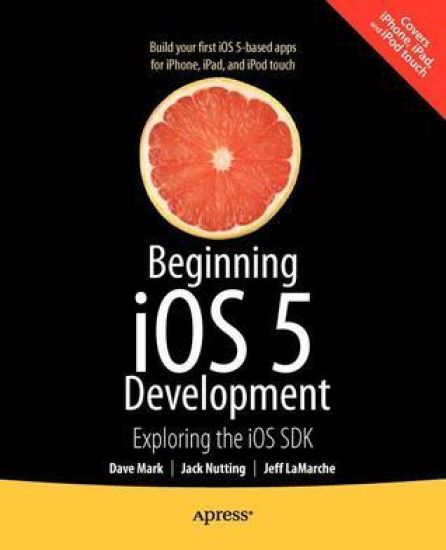
Beginning iOS 5 Development

Beginning iOS 5 Development

David Mark; Jack Nutting; Jeff LaMarche

APress
2011
nidottu
The team that brought you the bestselling Beginning iPhone 4 Development is back again for Beginning iOS 5 Development, bringing this definitive guide up-to-date with Apple's latest and greatest iOS SDK, as well as with the latest version of Xcode. There's coverage of brand new technologies, with chapters on storyboards and iCloud, for example, as well as significant updates to existing chapters to bring them in line with all the changes that came with the iOS 5 SDK. You'll have everything you need to create your very own apps for the latest iOS devices, including the iPhone 4S, iPad 2, and the latest iPod touch. Every single sample program in the book has been rebuilt from scratch using Xcode 4.2 and the latest iOS 5-specific project templates and designed to take advantage of the latest Xcode features. Assuming only a minimal working knowledge of Objective-C, and written in a friendly, easy-to-follow style, Beginning iOS 5 Development offers a complete soup-to-nuts course in iPhone, iPad, and iPod touch programming. The book starts with the basics, walking through the process of downloading and installing Xcode and the iOS 5 SDK, and then guides you though the creation of your first simple application. From there, you'll learn how to integrate all the interface elements Apple touch users have come to know and love, such as buttons, switches, pickers, toolbars, and sliders. You'll master a variety of design patterns, from the simplest single view to complex hierarchical drill-downs. The confusing art of table building will be demystified, and you'll learn how to save your data using the iPhone file system. You'll also learn how to save and retrieve your data using a variety of persistence techniques, including Core Data and SQLite. And there's much more! You'll learn to draw using Quartz 2D and OpenGL ES, add multitouch gestural support (pinches and swipes) to your applications, and work with the camera,photo library, accelerometer, and built-in GPS. You'll discover the fine points of application preferences and learn how to localize your apps for multiple languages. The iOS 5 update to the bestselling and most recommended book for Cocoa touch developers Packed full of tricks, techniques, and enthusiasm for the new SDK from a developer perspective Written in an accessible, easy-to-follow style
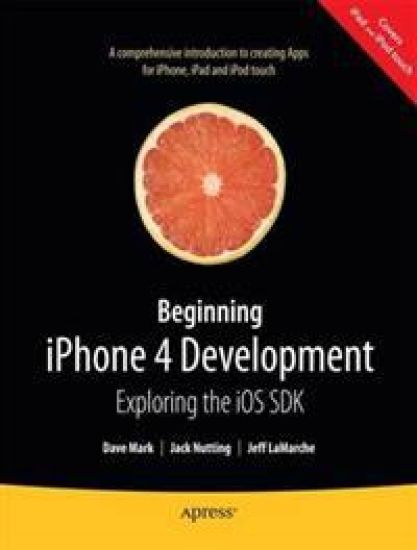
Beginning iPhone 4 Development

Beginning iPhone 4 Development

David Mark; Jeff LaMarche; Jack Nutting

APress
2011
nidottu
Beginning iPhone 4 Development is here! The authors of the bestselling Beginning iPhone 3 Development are back, with the same excellent material completely updated for iOS 4 and written from the ground up using the latest version of Apple's Xcode 3. All source code has been updated to use the latest Xcode templates and current APIs, and all-new screenshots show Xcode 3 in action. Beginning iPhone 4 Development is a complete course in iOS 4 apps development. You’ll master techniques that work on iPhone, iPad, and iPod touch. We start with the basics, showing you how to download and install the tools you'll need, and how to create your first simple application. Next you’ll learn to integrate all the interface elements iOS users have come to know and love, such as buttons, switches, pickers, toolbars, and sliders. You’ll master a variety of design patterns, from the simplest single view to complex hierarchical drill-downs. The confusing art of tablebuilding will be demystified, and you’ll learn techniques to save and retrieve your data using SQLite, iPhone’s built-in database management system and Core Data, the standard for persistence that Apple brought to iOS with the release of SDK 3. And there’s much more! You’ll learn to draw using Quartz 2D and OpenGL ES, add multitouch gestural support (pinches and swipes) to your applications, and work with the camera, photo library, accelerometer, and built-in GPS. You’ll discover the fine points of application preferences and learn how to localize your apps for multiple languages. You'll also learn how to use the new concurrency APIs included in iOS 4, and make robust multithreaded applications using Grand Central Dispatch. The iPhone 4 update to the best-selling and most recommended book for Cocoa touch developers Written in an accessible, easy-to-follow style Full of useful tips and techniques to help you become an iOS pro NOTE: For iPhone 4S or iOS 5 apps development, please instead check out the next edition of this book, Beginning iOS 5 Development - now available.
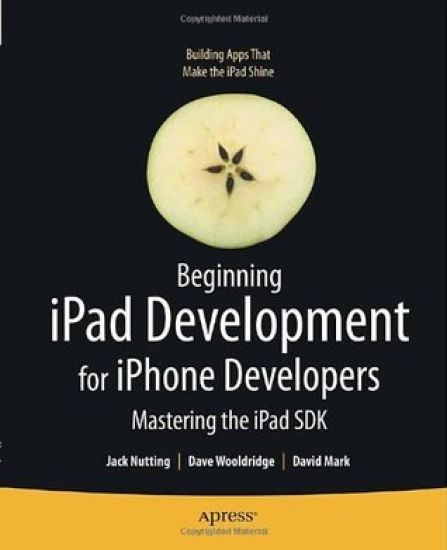
Beginning iPad Development for iPhone Developers

Beginning iPad Development for iPhone Developers

Jack Nutting; David Mark; Dave Wooldridge

APress
2010
nidottu
It's in magazines and newspapers, it's on television and radio, it's on buses and billboards and pretty much everywhere you look. The iPad is the touchscreen tablet from Apple, representing the next generation of mobile computing. Packed with dozens of new features, the iOS 3.2 SDK enables you to build sophisticated, desktop-quality apps for this exciting new platform. Every iPhone and iPod touch app developer looking to take the next step and move into the iPad arena will want to read this book from cover to cover. Beginning iPad Development for iPhone Developers: Mastering the iPad SDK has all the answers, and you'll find them presented with the same easy-to-follow style and thorough coverage you've come to expect from titles like Beginning iPhone 3 Development—everything an aspiring iPad developer needs to know to create great apps. Best-selling authors Jack Nutting, Dave Wooldridge, and Dave Mark show iPhone developers how to master all of the iPad-exclusive frameworks and features, which are explained, demonstrated in action, and put through their paces in this comprehensive programming guide. You'll get a detailed understanding of the new feature set and gain every possible advantage in the iTunes App Store.
Learn Cocoa on the Mac

Learn Cocoa on the Mac

David Mark; Jeff LaMarche; Jack Nutting

APress
2010
nidottu
The Cocoa frameworks are some of the most powerful frameworks for creating native desktop applications available on any platform today, and Apple gives them away, along with the Xcode development environment, for free! However, for a first-time Mac developer, just firing up Xcode and starting to browse the documentation can be a daunting task. The Objective-C class reference documentation alone would fill thousands of printed pages, not to mention all the other tutorials and guides included with Xcode. Where do you start? Which classes are you going to need to use? How do you use Xcode and the rest of the tools? This book answers these questions and more, helping you find your way through the jungle of classes, tools, and new concepts so that you can get started on the next great Mac OS X application today. Jack Nutting is your guide through this forest; he's lived here for years, and he'll show you which boulder to push, which vine to chop, and which stream to float across in order to make it through. You will learn not only how to use the components of this rich framework, but also which of them fit together, and why. Jack Nutting's approach, combining pragmatic problem-solving with a deep respect for the underlying design philosophies contained within Cocoa, stems from years of experience using these frameworks. He'll show you which parts of your application require you to jump in and code a solution, and which parts are best served by letting Cocoa take you where it wants you to go. The path over what looks like a mountain of components and APIs has never been more thoroughly prepared for your travels. With Jack's guidance, the steep learning curve becomes a pleasurable adventure. There is still much work for the uninitiated, but by the time you're done, you will be well on your way to becoming a Cocoa master.