Kirjojen hintavertailu. Mukana 12 595 353 kirjaa ja 12 kauppaa.

Kirjailija

Jacqueline E. Jung

Kirjat ja teokset yhdessä paikassa: 2 kirjaa, julkaisuja vuosilta 2017-2020, suosituimpien joukossa Eloquent Bodies. Vertaile teosten hintoja ja tarkista saatavuus suomalaisista kirjakaupoista.

2 kirjaa

Kirjojen julkaisuhaarukka 2017-2020.

Eloquent Bodies

Eloquent Bodies

Jacqueline E. Jung

Yale University Press
2020
sidottu
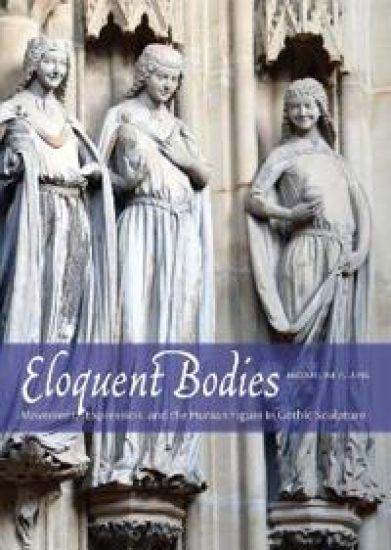
A radical reassessment of the role of movement, emotion, and the viewing experience in Gothic sculpture Gothic cathedrals in northern Europe dazzle visitors with arrays of sculpted saints, angels, and noble patrons adorning their portals and interiors. In this highly original and erudite volume, Jacqueline E. Jung explores how medieval sculptors used a form of bodily poetics—involving facial expression, gesture, stance, and torsion—to create meanings beyond conventional iconography and to subtly manipulate spatial dynamics, forging connections between the sculptures and beholders. Filled with more than 500 images that capture the suppleness and dynamism of cathedral sculpture, often through multiple angles, Eloquent Bodies demonstrates how viewers confronted and, in turn, were addressed by sculptures at major cathedrals in France and Germany, from Chartres and Reims to Strasbourg, Bamberg, Magdeburg, and Naumburg. Shedding new light on the charismatic and kinetic qualities of Gothic sculpture, this book also illuminates the ways artistic ingenuity and technical skill converged to enliven sacred spaces.
The Gothic Screen

The Gothic Screen

Jacqueline E. Jung

Cambridge University Press
2017
pokkari
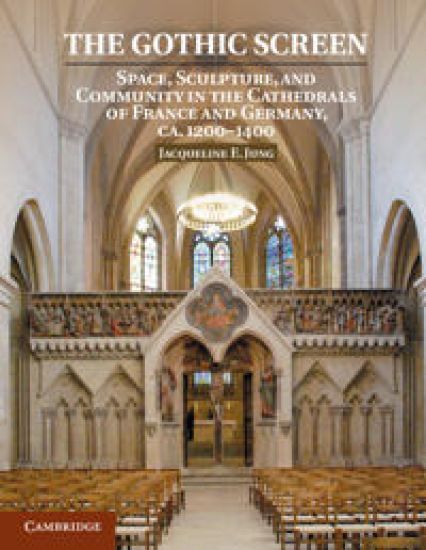
At the heart of Gothic cathedrals, the threshold between nave and sanctuary was marked by the choir screen, a partitioning structure of special complexity, grandeur, and beauty. At once a canopy for altars, a stage for performance, a pedestal for crucifixes and reliquaries, and a ground for spectacular arrays of narrative and iconic sculptures, the choir screen profoundly shaped the spaces of liturgy and social interaction for the diverse communities, both clerical and lay, who shared the church interior. For the first time, this book draws together the most important examples - some fully extant, others known through fragments and graphic sources - from thirteenth- and fourteenth-century France and Germany. Through analyses of both their architectural and sculptural components, Jacqueline E. Jung reveals how these furnishings, far from being barricades or hindrances, were vital vehicles of communication and shapers of a community centered on Christian rituals and stories.