Kirjojen hintavertailu. Mukana 12 390 323 kirjaa ja 12 kauppaa.

Kirjailija

Jaime M. Pensado

Kirjat ja teokset yhdessä paikassa: 4 kirjaa, julkaisuja vuosilta 2013-2023, suosituimpien joukossa Rebel Mexico. Vertaile teosten hintoja ja tarkista saatavuus suomalaisista kirjakaupoista.

4 kirjaa

Kirjojen julkaisuhaarukka 2013-2023.

Love and Despair

Love and Despair

Jaime M. Pensado

University of California Press
2023
pokkari
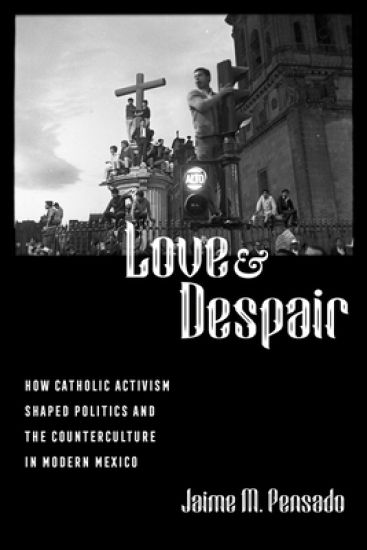
Love and Despair explores the multiple and mostly unknown ways progressive and conservative Catholic actors, such as priests, lay activists, journalists, intellectuals, and filmmakers, responded to the significant social and cultural shifts that formed competing notions of modernity in Cold War Mexico. Jaime M. Pensado demonstrates how the Catholic Church as a heterogeneous institution—with key transnational networks in Latin America and Western Europe—was invested in youth activism, state repression, and the counterculture from the postwar period to the more radical sixties. Similar to their secular counterparts, progressive Catholics often saw themselves as revolutionary actors and nearly always framed their activism as an act of love. When their movements were repressed and their ideas were co-opted, marginalized, and commercialized at the end of the sixties, the liberating hope of love often turned into a sense of despair.
Love and Despair

Love and Despair

Jaime M. Pensado

University of California Press
2023
sidottu
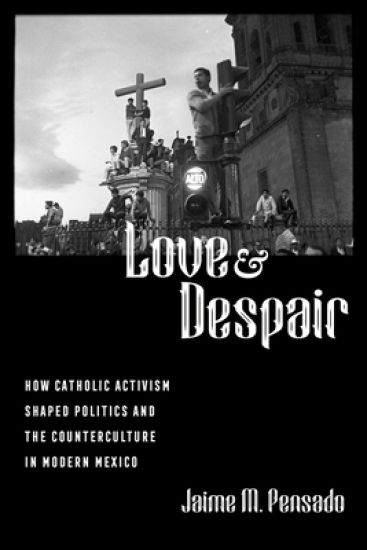
Love and Despair explores the multiple and mostly unknown ways progressive and conservative Catholic actors, such as priests, lay activists, journalists, intellectuals, and filmmakers, responded to the significant social and cultural shifts that formed competing notions of modernity in Cold War Mexico. Jaime M. Pensado demonstrates how the Catholic Church as a heterogeneous institution—with key transnational networks in Latin America and Western Europe—was invested in youth activism, state repression, and the counterculture from the postwar period to the more radical sixties. Similar to their secular counterparts, progressive Catholics often saw themselves as revolutionary actors and nearly always framed their activism as an act of love. When their movements were repressed and their ideas were co-opted, marginalized, and commercialized at the end of the sixties, the liberating hope of love often turned into a sense of despair.
Rebel Mexico

Rebel Mexico

Jaime M. Pensado

Stanford University Press
2015
pokkari
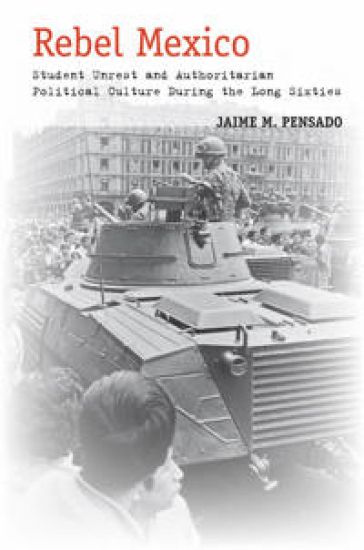
Winner of the 2014 Mexican Book Prize In the middle of the twentieth century, a growing tide of student activism in Mexico reached a level that could not be ignored, culminating with the 1968 movement. This book traces the rise, growth, and consequences of Mexico's "student problem" during the long sixties (1956-1971). Historian Jaime M. Pensado closely analyzes student politics and youth culture during this period, as well as reactions to them on the part of competing actors. Examining student unrest and youthful militancy in the forms of sponsored student thuggery (porrismo), provocation, clientelism (charrismo estudiantil), and fun (relajo), Pensado offers insight into larger issues of state formation and resistance. He draws particular attention to the shifting notions of youth in Cold War Mexico and details the impact of the Cuban Revolution in Mexico's universities. In doing so, Pensado demonstrates the ways in which deviating authorities—inside and outside the government—responded differently to student unrest, and provides a compelling explanation for the longevity of the Partido Revolucionario Institucional.
Rebel Mexico

Rebel Mexico

Jaime M. Pensado

Stanford University Press
2013
sidottu
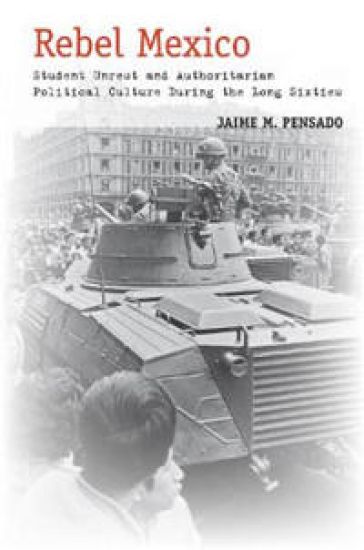
Winner of the 2014 Mexican Book Prize In the middle of the twentieth century, a growing tide of student activism in Mexico reached a level that could not be ignored, culminating with the 1968 movement. This book traces the rise, growth, and consequences of Mexico's "student problem" during the long sixties (1956-1971). Historian Jaime M. Pensado closely analyzes student politics and youth culture during this period, as well as reactions to them on the part of competing actors. Examining student unrest and youthful militancy in the forms of sponsored student thuggery (porrismo), provocation, clientelism (charrismo estudiantil), and fun (relajo), Pensado offers insight into larger issues of state formation and resistance. He draws particular attention to the shifting notions of youth in Cold War Mexico and details the impact of the Cuban Revolution in Mexico's universities. In doing so, Pensado demonstrates the ways in which deviating authorities—inside and outside the government—responded differently to student unrest, and provides a compelling explanation for the longevity of the Partido Revolucionario Institucional.