Kirjojen hintavertailu. Mukana 12 390 323 kirjaa ja 12 kauppaa.
Kirjailija
James A. Inciardi
Kirjat ja teokset yhdessä paikassa: 11 kirjaa, julkaisuja vuosilta 1991-2014, suosituimpien joukossa Legalize it?. Vertaile teosten hintoja ja tarkista saatavuus suomalaisista kirjakaupoista.
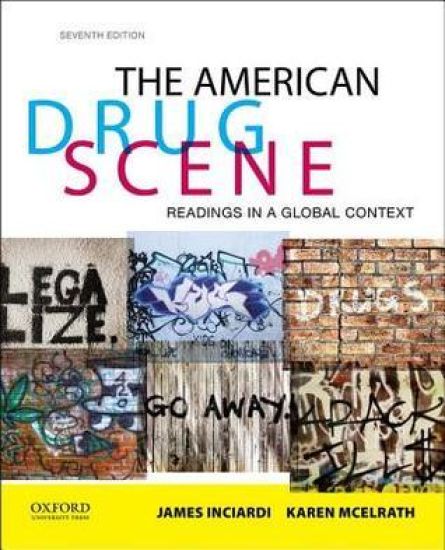
Now in its seventh edition, The American Drug Scene, edited by James A. Inciardi and Karen McElrath, is a collection of contemporary and classic articles on the changing patterns, problems, perspectives, and policies of legal and illicit drug use. Offering a unique focus on the social contexts in which drug usage, drug-related problems, and drug policies occur, it presents theoretical and descriptive material drawn from both ethnographic and quantitative sources.
Experience Criminal Justice provides an environment for students to apply the foundations of the Criminal Justice system to interactive and assignable activities online. Students will read about the foundations of Courts, Cops, and Corrections in the streamlined, brief text, and then apply those foundations online as they use their own discretionary skills in You Make the Call videos and other online activities. Should officers issue a ticket to every single person who gets caught speeding? Students find out how to make their own decisions and learn that the Criminal Justice system isn't all black and white. Experience Criminal Justice is assignable, tied to student learning outcomes, and is completely integrated with Blackboard. Instructors and students can now access their course content through the Connect digital learning platform by purchasing either standalone Connect access or a bundle of print and Connect access. McGraw-Hill Connect(R) is a subscription-based learning service accessible online through your personal computer or tablet. Choose this option if your instructor will require Connect to be used in the course. Your subscription to Connect includes the following: - SmartBook(R) - an adaptive digital version of the course textbook that personalizes your reading experience based on how well you are learning the content.- Access to your instructor's homework assignments, quizzes, syllabus, notes, reminders, and other important files for the course.- Progress dashboards that quickly show how you are performing on your assignments and tips for improvement.- The option to purchase (for a small fee) a print version of the book. This binder-ready, loose-leaf version includes free shipping. Complete system requirements to use Connect can be found here: http: //www.mheducation.com/highered/platforms/connect/training-support-students.html
Research in the mid-1980s on the effects of prenatal drug abuse characterized cocaine-exposed children as moody, inconsolable, less socially interactive and less able to bond than other children. It was concluded that these conditions were irreversible. However, methodological problems in these early studies, combined with the fact that cocaine-using mothers abuse other drugs as well, has left the research and public health communities uncertain as to the cause and effect relationship between cocaine use and pre/postnatal consequences. Cocaine-Exposed Infants examines what is known about the problem and unravels some of the contradictions in the literature. The book also explores, in depth, the media frenzy over 'crack babies' and the resulting legislation in the United States that served to criminalize drug use during pregnancy.
Research in the mid-1980s on the effects of prenatal drug abuse characterized cocaine-exposed children as moody, inconsolable, less socially interactive, and less able to bond than other children. "Crack babies," in particular, were believed to be less attentive and less able to focus on specific tasks than nonexposed children. Research concluded that these conditions were irreversible and that no amount of special attention or educational programs could turn these cocaine-exposed infants into well-functioning and adjusted children. Methodological problems in these early studies, combined with the fact that cocaine using mothers abuse other drugs as well, have left the research and public health communities uncertain about the cause and effect relationship between cocaine use and pre- and postnatal consequences. Cocaine-Exposed Infants examines what is known about the problem and unravels some of the contradictions in the extant literature. The authors also explore in-depth the media frenzy over so-called crack babies and the resulting legislation that served to criminalize drug use during pregnancy. For researchers, academics, health care providers, and mental health and legal professionals/practitioners, Cocaine-Exposed Infants provides state-of-the-art information in a field now entering its second generation of research. The book is also an excellent supplementary text for courses in criminal justice, corrections, policing, drug/alcohol studies, psychology, public health, and nursing.
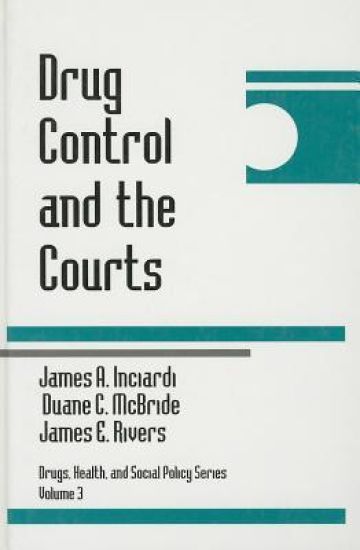
Prisons are bursting at the seams, filled with drug-abusing criminal offenders as a result of the continuing "war on drugs." Yet rates of drug use among these offenders continue to skyrocket, showing that incarceration alone proves an inadequate solution. Faced with a drug crisis, what options do the courts have to deal with this problem population? Offering a unique perspective, Drug Control and the Courts skillfully examines the history, development, and current status of drug control programs and the criminal justice system. This cutting-edge volume identifies notable trends--such as the growing need for HIV and AIDS screening among offenders and the documented success of compulsory and coerced drug treatment programs--that can strongly influence criminal justice procedures for dealing with drug-involved offenders. Authors James A. Inciardi, Duane C. McBride, and James E. Rivers critically examine successful programs and push for expanding the coordinated efforts of the courts and drug abuse treatment services. Featuring the combined expertise of the authors, the analysis in Drug Control and the Courts will be of interest to students in criminology, criminal justice, and sociology as well as researchers, practitioners, academics, and policymakers.
Prisons are bursting at the seams, filled with drug-abusing criminal offenders as a result of the continuing "war on drugs." Yet rates of drug use among these offenders continue to skyrocket, showing that incarceration alone proves an inadequate solution. Faced with a drug crisis, what options do the courts have to deal with this problem population? Offering a unique perspective, Drug Control and the Courts skillfully examines the history, development, and current status of drug control programs and the criminal justice system. This cutting-edge volume identifies notable trends--such as the growing need for HIV and AIDS screening among offenders and the documented success of compulsory and coerced drug treatment programs--that can strongly influence criminal justice procedures for dealing with drug-involved offenders. Authors James A. Inciardi, Duane C. McBride, and James E. Rivers critically examine successful programs and push for expanding the coordinated efforts of the courts and drug abuse treatment services. Featuring the combined expertise of the authors, the analysis in Drug Control and the Courts will be of interest to students in criminology, criminal justice, and sociology as well as researchers, practitioners, academics, and policymakers.
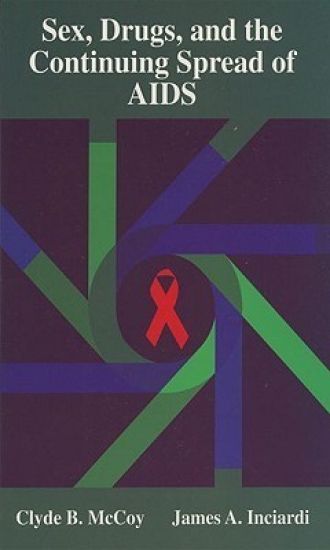
The book covers the nature and origins of AIDS, its social dimensions and impact on people and institutions, and alternatives for reducing the continuing spread of the disease. McCoy and Inciardi offer a breadth of perspectives on important issues from a wide array of sources--without pitting these viewpoints against each other. The chapters largely follow the chronology of the AIDS epidemic. Written in plain English, the book's direct, illustrative style bridges the gap between scholarly literature and the literate lay reader with a tasteful synthesis of information, research, and themes in popular culture. It brings students directly to grips with the AIDS epidemic, illustrating that AIDS is not "someone else's problem." One of the book's strengths is that it not only presents material but actively helps the student make sense of it. Sex, Drugs, and the Continuing Spread of AIDS offers an alternative to existing books, many of which are edited collections. It covers previously ignored topics and includes original field research. In the United States, men who have sex with men and injection drug users represent the vast majority of individuals with AIDS, while other members of the HIV/AIDS caseload reflect relatively small numbers. However, the heterosexual spread of HIV in the U.S. is increasing, particularly in those cities and communities where rates of injection drug use are high. Elsewhere in the world, especially in developing nations, heterosexual spread is the major route of transmission. At issue is the extent to which heterosexual transmission has an impact on the general spread of AIDS. During the past decade, there have been conflicting arguments in this regard. Sex, Drugs, and the Continuing Spread of AIDS addresses this ongoing debate.
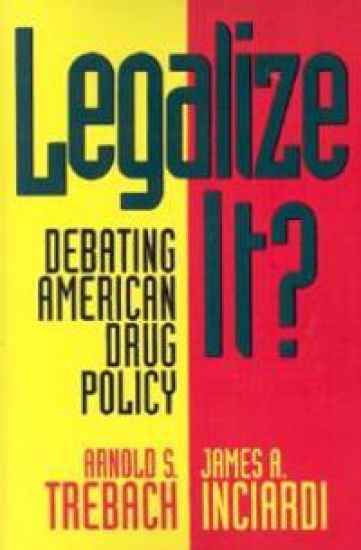
The war on drugs has failed. The only construction boom is in prison building. And the streets are peopled by homeless addicts. Is it time to legalise drugs? The authors of this book debate both sides of that question, examining the connection between drugs and crime, and other issues.
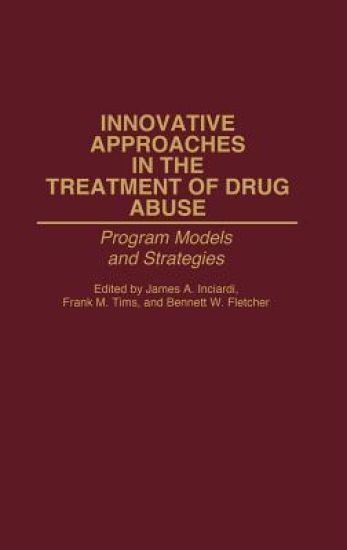
This collection of studies by experts on drug abuse treatment represents the state of the art in research examining what works best and why in a nationwide effort to improve and expand treatment to counteract the epidemic use of cocaine and the spread of AIDS. Investigators at the National Institute on Drug Abuse describe 15 projects that test intervention strategies to improve client recruitment, retention, performance, and treatment outcomes in a range of community-based programs relating to different populations, treatment settings, and research designs addressing real world issues. The findings, analysis, and recommendations should counteract misunderstanding and misinformation about the nature of drug abuse among 5.5 million patients and the effectiveness of current treatment programs. This report is meant for students, scholars, and professionals dealing with public health, criminal justice, America's social problems and governmental policies.This professional report describes innovative programs for improving the treatment of drug abuse. The first part of the book relates to methadone programs limiting the spread of HIV among high-risk narcotics addicts, improving retention on methadone maintenance, and enhancing treatment through a mobile health service. The second segment of the book deals with residential programs, assessing their impact, evaluating a specific outreach project, providing a longitudinal evaluation of dually diagnosed men in different community programs. Case management programs described in the third section of the study include an assessment of a model for intravenous drug users, an assertive community treatment project for hard-to-reach populations, and problems with and remedies for treatment drop-outs and noncompliers. The fourth part of the report concerns system-evaluation of strategies for dealing more effectively with drug abuse today. It covers multi-modality and other eclectic programs, such as a therapeutic community day treatment model for methadone clients, a behavioral model for treating cocaine addicts, treatments for AIDS risk reduction, and a drug day treatment using the therapeutic community model.
Written by researchers at a federally funded outreach program to combat the spread of AIDS, this book analyzes the efforts of the Miami Community Outreach Project to intervene in AIDS-related risk behavior among intravenous drug users and their sexual partners. The work provides background information on the history of AIDS, the risk behaviors of drug abusers, and federal intervention programs. It discusses the prevalence of the HIV virus in the Miami area and gives a detailed description of the project, discussing the theoretical basis for the project, the intervention strategies used, the rationale behind those strategies, and the results achieved. Appendixes provide information on the health of the subjects, the material used, and the Belle Glade Community Outreach Project modeled after the Miami project.The book begins with background information on the history of AIDS, the risk behaviors of drug abusers and their sexual partners, and federal attempts to combat the spread of AIDS. It then discusses the prevalence of the HIV virus in the Miami area, drug abusers in the community, and the Miami Community Project. Providing a detailed description, the authors discuss the theoretical basis for the Project, the intervention strategies used, the rational behind those strategies, and the results achieved. Appendixes provide information on the health of the subjects, the research manual and educational materials used, and the Belle Glade Community Outreach Project modeled after the Miami project. The book will be of interest to drug abuse and AIDS researchers as well as to clinicians and counselors.