

Kirjailija
James Bach
Kirjat ja teokset yhdessä paikassa: 5 kirjaa, julkaisuja vuosilta 2002-2026, suosituimpien joukossa Secrets of a Buccaneer-Scholar. Vertaile teosten hintoja ja tarkista saatavuus suomalaisista kirjakaupoista.
5 kirjaa
Kirjojen julkaisuhaarukka 2002-2026.
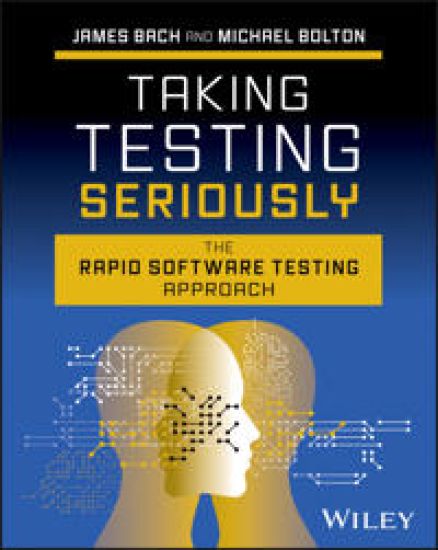
Elevate your software testing approach with a methodology from industry leaders who dedicated their careers to studying, practicing, and teaching the craft of testing. Dive into the world of expert software testing with Taking Testing Seriously: The Rapid Software Testing Approach. This book arms software professionals with the knowledge required to master the Rapid Software Testing (RST) methodology. Written by two co-creators of the RST approach and supplemented by material from respected testers who offer valuable insights, it is an essential read for anyone seeking excellence in the craft of testing. Taking Testing Seriously offers a rich exploration of the RST methodology through insightful interviews, expert discussions, practical case studies, and real-world examples. It thoroughly covers key topics such as the psychology of testing, the science behind it, the fundamental processes and heuristics of test design, and much more. This book provides concrete strategies for addressing common software testing challenges and integrating new solutions with existing systems. You will: Gain insights from experienced software testers through in-depth interviews and expert adviceLearn how to the skills of testing are needed more than ever in an AI-powered IT industryDiscover strategies to leverage the latest automation technologies to refine and expedite your testing processesEscape from the echo chamber of “best practices” and learn to think critically about testing Focusing on the mindset and skillset of excellent testing, Taking Testing Seriously is a must-have resource for software engineers and technical leaders eager to improve their testing proficiency. Whether you are looking to advance your career or simply want to ensure your next project meets the highest standards of quality, this book provides the tools you need. Order your copy today and start transforming the way you and your team approach software testing.

Testing Computer Software
Cem Kaner; James Bach; Robert Johnson; Brian Lawrence; Jack Falk; Hung Q. Nguyen
John Wiley Sons Inc
2013
nidottu

Testing Computer Software
Cem Kaner; James Bach; Robert Johnson; Brian Lawrence; Jack Falk; Hung Q. Nguyen
John Wiley Sons Inc
2013
nidottu
Software testing exists in all software development in order to determine if a program meets required specifications and to find errors in programming code. Testing involves the operation of a system or application under controlled conditions and evaluation of the results. This edition covers techniques and concepts that are useful to the individual test contributor.
Lessons Learned in Software Testing
Cem Kaner; James Bach; Bret Pettichord
John Wiley Sons Inc
2002
nidottu
Decades of software testing experience condensed into the most important lessons learned. The world's leading software testing experts lend you their wisdom and years of experience to help you avoid the most common mistakes in testing software. Each lesson is an assertion related to software testing, followed by an explanation or example that shows you the how, when, and why of the testing lesson. More than just tips, tricks, and pitfalls to avoid, Lessons Learned in Software Testing speeds you through the critical testing phase of the software development project without the extensive trial and error it normally takes to do so. The ultimate resource for software testers and developers at every level of expertise, this guidebook features: * Over 200 lessons gleaned from over 30 years of combined testing experience * Tips, tricks, and common pitfalls to avoid by simply reading the book rather than finding out the hard way * Lessons for all key topic areas, including test design, test management, testing strategies, and bug reporting * Explanations and examples of each testing trouble spot help illustrate each lesson's assertion