Kirjojen hintavertailu. Mukana 12 595 353 kirjaa ja 12 kauppaa.

Kirjailija

James Charlton

Kirjat ja teokset yhdessä paikassa: 3 kirjaa, julkaisuja vuosilta 2005-2014, suosituimpien joukossa Non-dualism in Eckhart, Julian of Norwich and Traherne. Vertaile teosten hintoja ja tarkista saatavuus suomalaisista kirjakaupoista.

3 kirjaa

Kirjojen julkaisuhaarukka 2005-2014.

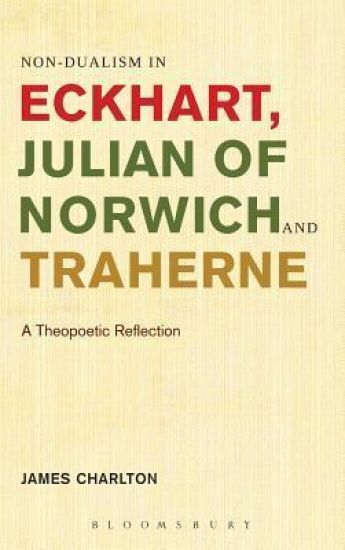
Non-dualism in Eckhart, Julian of Norwich and Traherne

Non-dualism in Eckhart, Julian of Norwich and Traherne

James Charlton

Bloomsbury Academic USA
2012
sidottu
The words 'me,' 'mine,' 'you,' 'yours,' can mislead us into feeling separate from other people. This book is an exhilarating contribution to the spirituality of non-duality or non-separation. Meister Eckhart, Mother Julian of Norwich and Thomas Traherne are interpreted as 'theopoets' of the body/soul who share a moderate non-dualism. Their work is brought within the ambit of non-dual Hinduism. Specifically, their passion for unitive spiritual experience is linked to construals of both 'the Self' and 'Awakening', as enunciated by Advaita Vedanta.Charlton draws on poetry, theology and philosophy to perceive fresh connections. A commonality of interest is proposed between the three Europeans and Ramana Maharshi. The concept of non-duality is basic to much of Asian religion. On the other hand, Christianity has usually ignored its own non-dual roots. This text contributes to a recovery, in the West, of the vital, unifying power of non-dual awareness and connectedness.
Non-dualism in Eckhart, Julian of Norwich and Traherne

Non-dualism in Eckhart, Julian of Norwich and Traherne

James Charlton

Bloomsbury Academic USA
2014
nidottu
The words 'me,' 'mine,' 'you,' 'yours,' can mislead us into feeling separate from other people. This book is an exhilarating contribution to the spirituality of non-duality or non-separation. Meister Eckhart, Mother Julian of Norwich and Thomas Traherne are interpreted as 'theopoets' of the body/soul who share a moderate non-dualism. Their work is brought within the ambit of non-dual Hinduism. Specifically, their passion for unitive spiritual experience is linked to construals of both 'the Self' and 'Awakening', as enunciated by Advaita Vedanta.Charlton draws on poetry, theology and philosophy to perceive fresh connections. A commonality of interest is proposed between the three Europeans and Ramana Maharshi. The concept of non-duality is basic to much of Asian religion. On the other hand, Christianity has usually ignored its own non-dual roots. This text contributes to a recovery, in the West, of the vital, unifying power of non-dual awareness and connectedness.