Kirjojen hintavertailu. Mukana 12 657 676 kirjaa ja 12 kauppaa.

Kirjailija

James Cuno

Kirjat ja teokset yhdessä paikassa: 3 kirjaa, julkaisuja vuosilta 2009-2018, suosituimpien joukossa The Modern Wing. Vertaile teosten hintoja ja tarkista saatavuus suomalaisista kirjakaupoista.

3 kirjaa

Kirjojen julkaisuhaarukka 2009-2018.

Museums Matter

Museums Matter

James Cuno

University of Chicago Press
2018
nidottu
The concept of an encyclopedic museum was born of the enlightenment, a manifestation of European society's growing belief that the spread of knowledge, promotion of intellectual inquiry, and trust in individual agency were crucial to human development and the future of a rational society. But in recent years, encyclopedic museums have been under attack as little more than relics and promoters of imperialism. Could it be that the encyclopedic museum has outlived its usefulness? With Museums Matter, James Cuno, president and CEO of the J. Paul Getty Trust and former president and director of the Art Institute of Chicago, replies with a resounding "No!" He takes us on a brief tour of the modern museum, from the creation of the British Museum - the archetypal encyclopedic collection - to the present, when major museums host millions of visitors annually and play a significant role in the cultural lives of their cities. Along the way, Cuno acknowledges the legitimate questions about the role of museums in nation building and imperialism, but he argues strenuously that even a truly national museum like the Louvre can't help but open visitors' eyes and minds to the wide diversity of world cultures and the stunning art that is our common heritage. Ultimately Cuno makes a powerful case for the encyclopedic museum as a truly cosmopolitan institution, promoting tolerance, understanding, and a shared sense of history-values that are essential in our ever more globalized age.
Who Owns Antiquity?

Who Owns Antiquity?

James Cuno

Princeton University Press
2010
pokkari
Whether antiquities should be returned to the countries where they were found is one of the most urgent and controversial issues in the art world today, and it has pitted museums, private collectors, and dealers against source countries, archaeologists, and academics. Maintaining that the acquisition of undocumented antiquities by museums encourages the looting of archaeological sites, countries such as Italy, Greece, Egypt, Turkey, and China have claimed ancient artifacts as state property, called for their return from museums around the world, and passed laws against their future export. But in Who Owns Antiquity?, one of the world's leading museum directors vigorously challenges this nationalistic position, arguing that it is damaging and often disingenuous. "Antiquities," James Cuno argues, "are the cultural property of all humankind," "evidence of the world's ancient past and not that of a particular modern nation. They comprise antiquity, and antiquity knows no borders." Cuno argues that nationalistic retention and reclamation policies impede common access to this common heritage and encourage a dubious and dangerous politicization of antiquities--and of culture itself. Antiquities need to be protected from looting but also from nationalistic identity politics. To do this, Cuno calls for measures to broaden rather than restrict international access to antiquities. He advocates restoration of the system under which source countries would share newly discovered artifacts in exchange for archaeological help, and he argues that museums should again be allowed reasonable ways to acquire undocumented antiquities. Cuno explains how partage broadened access to our ancient heritage and helped create national museums in Cairo, Baghdad, and Kabul. The first extended defense of the side of museums in the struggle over antiquities, Who Owns Antiquity? is sure to be as important as it is controversial.
The Modern Wing

The Modern Wing

Paul Goldberger; James Cuno; Joseph Rosa

Yale University Press
2009
sidottu
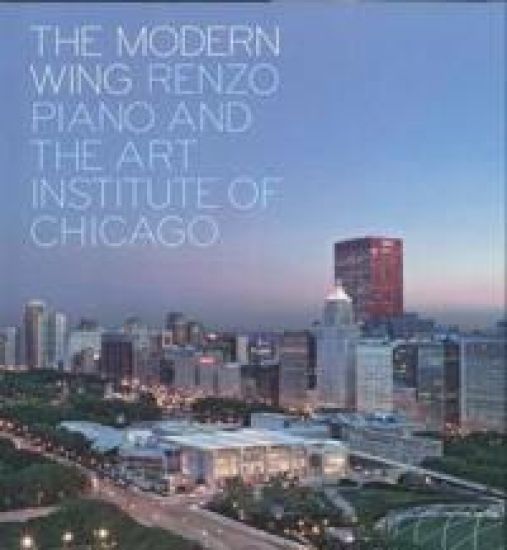
This handsome book examines the remarkable new addition to the Art Institute of Chicago, designed by Renzo Piano and scheduled to open in May 2009. This expansion to the Art Institute of Chicago, already one of the largest museums in the country, will provide new galleries for modern and contemporary painting and sculpture, as well as for photography, film and video, and architecture and design. The structure is Piano’s largest art museum building to date. The museum’s director, James Cuno, discusses the history of the commission, and Paul Goldberger writes on how this building fits into the larger context of Piano's work—especially his many museum designs—as well as considers its positioning in a city celebrated for its architecture. Judith Turner provides exquisite architectural photographs, showing many nuanced details and views of the structure, while Joseph Rosa comments on her images and how they convey the beauty and sophistication of the building. Photographs by New York-based architectural photographer Paul Warchol complete the bookDistributed for the Art Institute of Chicago