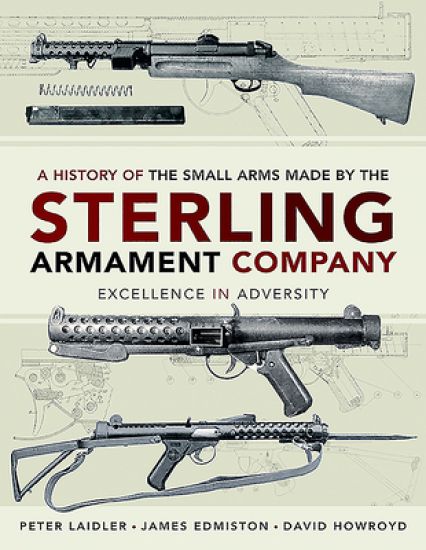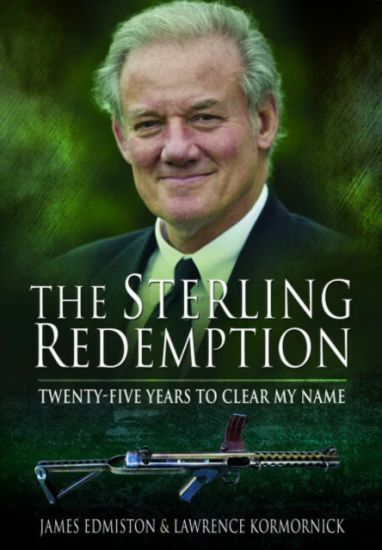
Engineering entrepreneur James Edmiston acquired the Sterling Armament Company in 1971 while still in his twenties. The company was notable for manufacturing one of the most famous sub-machine guns ever produced. The Sterling had seen limited use in the Second World War and by 1953 had been formally adopted by the British Army. Sterling guns were even the basis for the weapons used by the Storm Troopers in the Star Wars films. By the beginning of the 1970s the Sterling Armament Company had been in operational difficulties. James set about putting its troubles to rights and building on its reputation for manufacturing the best quality, high-performance machine guns that could be obtained. By the age of 40 he had turned the business around and was successfully selling Sterling guns to legitimate purchasers all around the world adhering strictly to the rigorous British licensing and export regulations. But all this suddenly changed when James, along with arms dealer Reginald Dunk, was wrongly charged with illegal arms exports through Jordan to Iraq at a time when British policies were reacting to rapidly fluctuating foreign regime changes and allegiances. Their defence resulted in a merry-go-round of legal wrangles involving the British Foreign Office, Ministry of Defence and Customs & Excise. In 1985 Reginald Dunk was persuaded to plead guilty to the charges after an important witness reneged on assurances to come to court to prove his innocence. James was acquitted and it later transpired that the authorities had only been after Dunk anyway perhaps to settle another, unrelated, score. So James had all along been a pawn in a wider game that seemed incomprehensible to him at the time. The case was to have serious repercussions in Whitehall when the Scott Report (commissioned in 1992 to inspect cases of reported arms sales in the 1980s to Iraq by British companies) discovered a cover-up in the Sterling case and that senior officials had blocked Dunks witnesses. The Report condemned the misconduct as disgraceful. Though his conviction was quashed and Dunk received more than 2m for wrongful conviction in 1999, compensation for James seemed impossible because of a curious anomaly in the legal system. It was only through the efforts of Lawrence Kormornick, the lawyer who had helped Dunk receive eventual acquittal and compensation, that James could have any hope of recompense. Another fifteen years of legal battles would ensue before the matter was brought to some sort of conclusion in 2008. The book follows a period of more than twenty-five years from the sudden and unimaginable accusation of illegal arms dealing, through the ensuing legal and personal struggles that James Edmiston experienced. Packed with ironies, twists of fate and many unanswered questions it is a compelling read for anyone interested in political intrigue and abuse of power, miscarriage of justice and learning about how an individual took on the state.