

Kirjailija
James Ferguson
Kirjat ja teokset yhdessä paikassa: 103 kirjaa, julkaisuja vuosilta 1988-2026, suosituimpien joukossa Robert Ferguson, the Plotter. Vertaile teosten hintoja ja tarkista saatavuus suomalaisista kirjakaupoista.
103 kirjaa
Kirjojen julkaisuhaarukka 1988-2026.



Records Of The Third, The Buchan, Volunteer Battalion Gordon Highlanders (1894)
James Ferguson
KESSINGER PUBLISHING, LLC
2009
nidottu

The Art Of Drawing In Perspective Made Easy: To Those Who Have No Previous Knowledge Of The Mathematics (1778)
James Ferguson
KESSINGER PUBLISHING, LLC
2008
nidottu




Astronomy Explained Upon Sir Isaac Newton's Principles, And Made Easy To Those Who Have Not Studied Mathematics
James Ferguson
KESSINGER PUBLISHING, LLC
2007
sidottu

Astronomy Explained Upon Sir Isaac Newton's Principles, And Made Easy To Those Who Have Not Studied Mathematics
James Ferguson
KESSINGER PUBLISHING, LLC
2007
nidottu
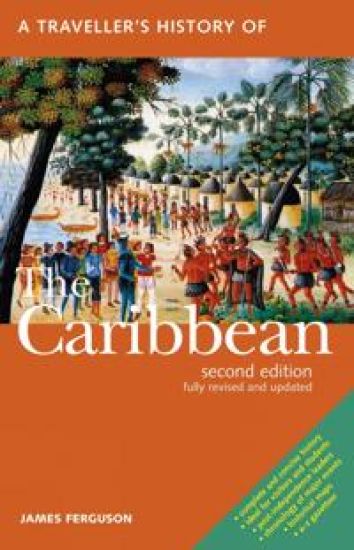
The Caribbean, a region of spectacular natural beauty, has a long and turbulent history. Described by Columbus as an earthly paradise, it has enticed travellers for hundreds of years - from gold-seeking Spanish conquistadors to modern-day tourists. "A Traveller's History of the Caribbean" traces the island's journey from slavery to revolution to independence, and finally to tourist paradise. It looks at the history of nations as diverse as Cuba, Jamaica, Haiti, the Bahamas, Trinidad and Tobago, and the Dominican Republic, exploring their differences and their common experiences. It reveals a region that has created a culturally vibrant future from a tumultuous past. For anyone taking their travelling seriously, this is a recommended read.

World Class: an Illustrated History of Caribbean Football
James Ferguson
Macmillan Education
2006
nidottu
World Class celebrates Caribbean achievement on the domestic and international field. It also reveals how players from the Caribbean and of Caribbean descent have changed the face of football around the world. In this highly illustrated history of Caribbean football, James Ferguson explores the development of the game from colonial, amateur times into today's increasingly professional sport.

This book addresses all aspects of photodermatology by providing a clear straightforward introduction to these diseases, their investigation, diagnosis and management, including the use of lasers. Each light sensitive disorder and each type of phototherapy is supported by the principles of the underlying photophysics, chemistry and biology. Doctors, nurses and technicians all have an important role to play in the diagnosis of photodermatoses and in the administration of phototherapy. This concise, richly illustrated text provides them with valuable insights and a good working overview of the light related areas of dermatology.
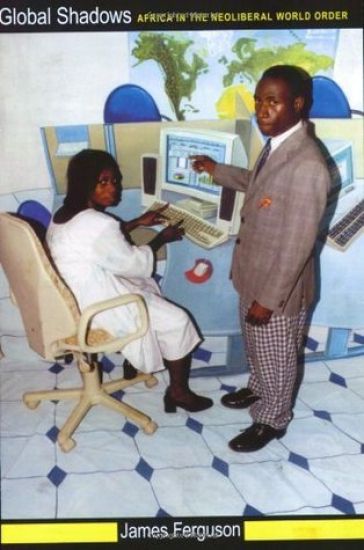
Both on the continent and off, “Africa” is spoken of in terms of crisis: as a place of failure and seemingly insurmountable problems, as a moral challenge to the international community. What, though, is really at stake in discussions about Africa, its problems, and its place in the world? And what should be the response of those scholars who have sought to understand not the “Africa” portrayed in broad strokes in journalistic accounts and policy papers but rather specific places and social realities within Africa?In Global Shadows the renowned anthropologist James Ferguson moves beyond the traditional anthropological focus on local communities to explore more general questions about Africa and its place in the contemporary world. Ferguson develops his argument through a series of provocative essays which open-as he shows they must-into interrogations of globalization, modernity, worldwide inequality, and social justice. He maintains that Africans in a variety of social and geographical locations increasingly seek to make claims of membership within a global community, claims that contest the marginalization that has so far been the principal fruit of “globalization” for Africa. Ferguson contends that such claims demand new understandings of the global, centered less on transnational flows and images of unfettered connection than on the social relations that selectively constitute global society and on the rights and obligations that characterize it.Ferguson points out that anthropologists and others who have refused the category of Africa as empirically problematic have, in their devotion to particularity, allowed themselves to remain bystanders in the broader conversations about Africa. In Global Shadows, he urges fellow scholars into the arena, encouraging them to find a way to speak beyond the academy about Africa’s position within an egregiously imbalanced world order.
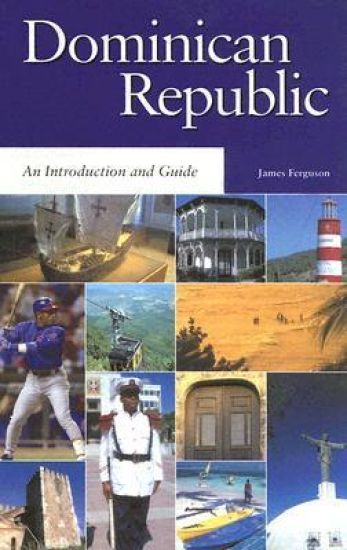
Well known for its spectacular mountains and beautiful beaches, the Dominican Republic is blessed with a wide variety of landscapes and natural attractions. It has dense mountain forests, extensive mangroves, bone-dry deserts as well as a large number of protected national parks. Its beaches range from placid stretches of white sands to some of the world's best windsurfing sites. It is also a country with a vibrant cultural life, producing internationally famous musicians, artists and sportsmen. A blend of European, African, North American and pre-Columbian influences has created a culture expressed in the arts, architecture and infectious merengue music. In this introduction to the Dominican Republic, James Ferguson surveys the country's many historic and national treasures, ranging from colonial-era churches and mansions to modern beach resorts. Exploring its often tumultuous history as well as its contemporary life, he looks at how the past has shaped today's nation and how Dominicans have created their own unique identity.In an area-by-area account of the country, this book takes you on a tour of the Dominican Republic: from the Caribbean's highest mountain to some of its most unspoilt beaches; from the cobbled streets of 16th-century Santo Domingo to the high-rise tourist palaces of the east coast; from adventure activities like canoeing and horse-riding to lazy days on idyllic beaches; and, from the distinctive sounds of merengue and bachata to real Dominican delicacies and world-class rum.


First published in 1905, this is an insight not only into Provence's history and architecture, but also its literary and cultural significance. Looking at the work and influence of writers such as Petrarch and Mistral, Cook reveals the importance of language, romance and regional identity.
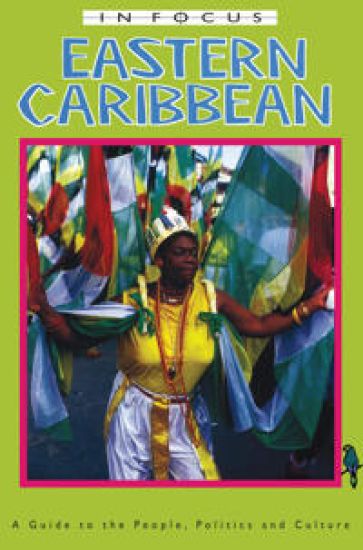
The idyllic landscapes of the Eastern Caribbean belie a dramatic and often cruel history. Fought over by the imperial Navies and vulnerable to natural disasters, these small islands have also been marked by slavery, migration and a tradition of resistance. With their population rooted in every continent, a mix of influences has created today's cultural diversity and self-expression. As tourism replaces agriculture, the islands of the Eastern Caribbean face the challenge of economic survival and maintaining their distinctive identities. The countries focused on are: Trinidad and Tobago; St Vincent and the Grenadines; Anguilla; Antigua-Barbuda; Barbados; Dominica; Grenada; Guadeloupe; Martinique; Montserrat; Saba; St Eustatius; St Kitts-Nevis; St Lucia; and St Martin.
