

Kirjailija
James H. Rubin
Kirjat ja teokset yhdessä paikassa: 9 kirjaa, julkaisuja vuosilta 1997-2026, suosituimpien joukossa Manet's Ironic Duplicity. Vertaile teosten hintoja ja tarkista saatavuus suomalaisista kirjakaupoista.
Mukana myös kirjoitusasut: James H Rubin
9 kirjaa
Kirjojen julkaisuhaarukka 1997-2026.

![Manet’s Ironic Duplicity: Hamlet, Baudelaire, and Masculinity [B&W]](/covers/9798881904036.jpg)
Manet’s Ironic Duplicity: Hamlet, Baudelaire, and Masculinity [B&W]
James H. Rubin
Vernon Art and Science Inc.
2026
sidottu
![Manet’s Ironic Duplicity: Hamlet, Baudelaire, and Masculinity [Premium Color]](/covers/9798881903756.jpg)
Manet’s Ironic Duplicity: Hamlet, Baudelaire, and Masculinity [Premium Color]
James H. Rubin
Vernon Art and Science Inc.
2026
sidottu

Claude Monet’s Water Lilies are widely recognized as a celebration of nature and a call to visual experience. The skilled brushwork, vivid color, and immersive quality of the paintings suspend thoughts of the outside world and its concerns. And yet, when one realizes that these works were made during a period of social and political turmoil—rapid changes of government, the Dreyfus Affair, and the destruction and devastation of World War I—questions arise about the personal, cultural, and historical contexts within which they were created. In this book, James H. Rubin explores these conditions and shows how Monet’s work—said to be a harbinger of abstraction—appeals not only to the eye but also to something deep in modern consciousness. The myth of Impressionism is that it was reviled and misunderstood, but by the 1890s Monet was rich by anyone’s standards, and his works were considered French cultural treasures. Monet was featured in a propaganda film in response to German militarism, and he was persuaded by Georges Clemenceau to donate a number of his Water Lilies paintings to the French nation following the Treaty of Versailles. Taking this into account, Rubin uncovers how the theme of floating lily pads could serve political ends, exposing relationships between Monet’s apparently subject-free art and its material circumstances in the modern world.Engagingly written, masterfully argued, and featuring more than 150 illustrations, Why Monet Matters is a major study of an artist who had the will and the talent to remain relevant to his time without conceding to its fashions. Scholars, students, and those who appreciate Monet and Impressionism will value and learn from this book.
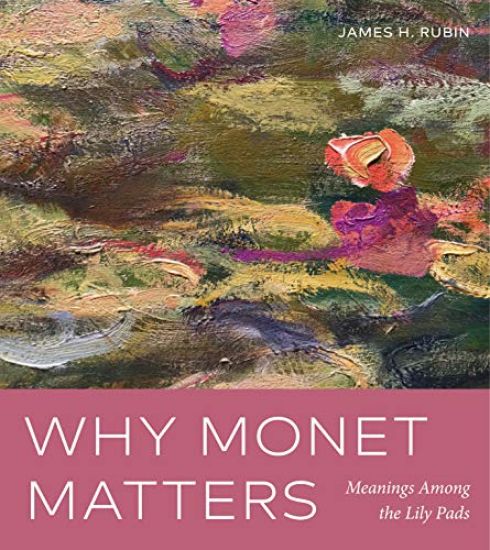
Claude Monet’s Water Lilies are widely recognized as a celebration of nature and a call to visual experience. The skilled brushwork, vivid color, and immersive quality of the paintings suspend thoughts of the outside world and its concerns. And yet, when one realizes that these works were made during a period of social and political turmoil—rapid changes of government, the Dreyfus Affair, and the destruction and devastation of World War I—questions arise about the personal, cultural, and historical contexts within which they were created. In this book, James H. Rubin explores these conditions and shows how Monet’s work—said to be a harbinger of abstraction—appeals not only to the eye but also to something deep in modern consciousness. The myth of Impressionism is that it was reviled and misunderstood, but by the 1890s Monet was rich by anyone’s standards, and his works were considered French cultural treasures. Monet was featured in a propaganda film in response to German militarism, and he was persuaded by Georges Clemenceau to donate a number of his Water Lilies paintings to the French nation following the Treaty of Versailles. Taking this into account, Rubin uncovers how the theme of floating lily pads could serve political ends, exposing relationships between Monet’s apparently subject-free art and its material circumstances in the modern world.Engagingly written, masterfully argued, and featuring more than 150 illustrations, Why Monet Matters is a major study of an artist who had the will and the talent to remain relevant to his time without conceding to its fashions. Scholars, students, and those who appreciate Monet and Impressionism will value and learn from this book.
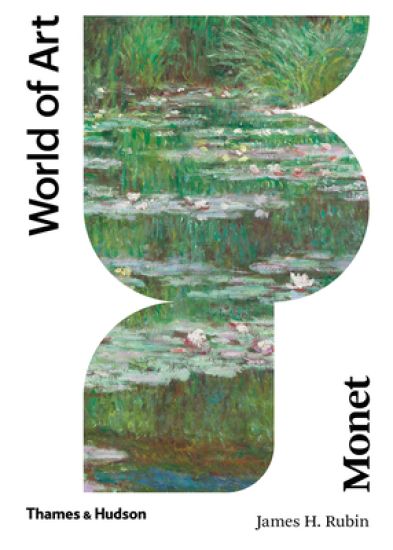
Claude Monet (1840–1926) is one of the most admired and famous painters of all time, and the architect of Impressionism: a revolution that gave birth to modern art. His technique – painting out of doors, at the seashore or in the city streets – was as radically new as his subject matter, the landscapes and middle-class pastimes of a newly industrialized Paris. Painting with an unprecedented immediacy and authenticity, Monet claimed that his work was something new: both natural and true. In this new introductory study, James H. Rubin – one of the world’s foremost specialists in 19th-century French art – traces the development of Monet’s practice, from his early work as a caricaturist to the late paintings of waterlilies and his garden at Giverny. Rubin explores the cultural currents that helped to shape Monet’s work: the utopian thought that gave rise to his politics; his interest in Japanese prints, gardening, and trends in the decorative arts; and his relationship with earlier French landscape painters as well as such contemporaries as Manet and Renoir.
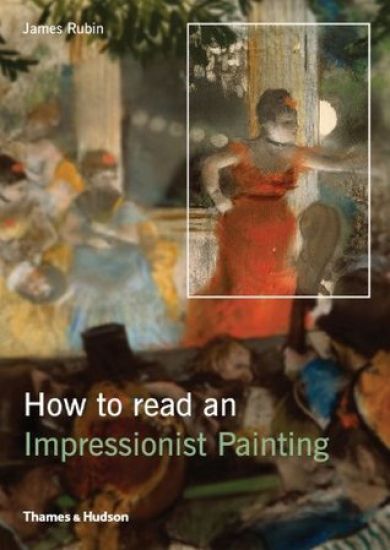
How to Read an Impressionist Painting is a new, original exploration of the hugely popular and revolutionary 19th-century art movement. James Rubin organizes his discussion by subject matter, rather than by artist, looking at urban views and city life, interiors and still life, family and friends, and other common themes. By avoiding an artist-based structure, and without the convention of a chronological approach, he provides readers with the tools to think critically and analytically about Impressionism as a movement, and offers a new understanding of the collective momentum that drove the artists to work with such originality and commitment to modern themes and pictorial originality.

Amid the background of social turbulence in the mid-nineteenth century, Gustave Courbet's unconventional paintings of real people in everyday scenes came to embody values with radical political implications. James Rubin addresses the entire range of Courbet's work: from his hunting scenes and spirited landscapes, to his portraits and erotic nudes. He combines a clear reading of the artist's paintings with a rigorous discussion of the unique personal, political and social framework within which they were created.