Kirjojen hintavertailu. Mukana 12 390 323 kirjaa ja 12 kauppaa.
Kirjailija
James Holland
Kirjat ja teokset yhdessä paikassa: 86 kirjaa, julkaisuja vuosilta 2004-2027, suosituimpien joukossa Our Mind. Vertaile teosten hintoja ja tarkista saatavuus suomalaisista kirjakaupoista.
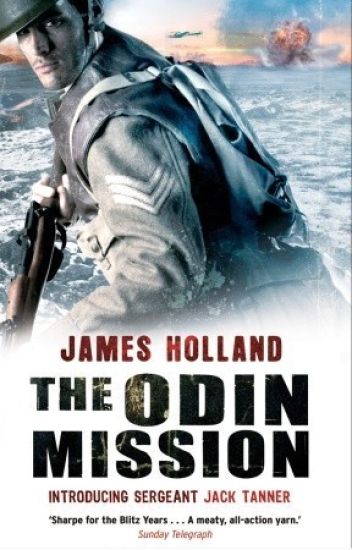
With the odds stacked against them and the temperature dropping fast, they are not only fighting for their lives, but also to protect a mysterious Norwegian professor in whose hands lies the outcome of the war. To survive, Tanner must outfox and outfight the pursuing Nazis who are desperate for the secrets the Norwegian holds.
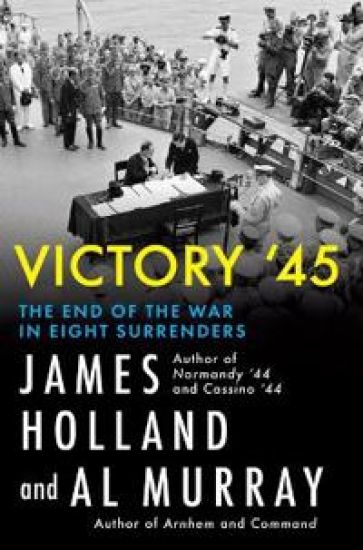
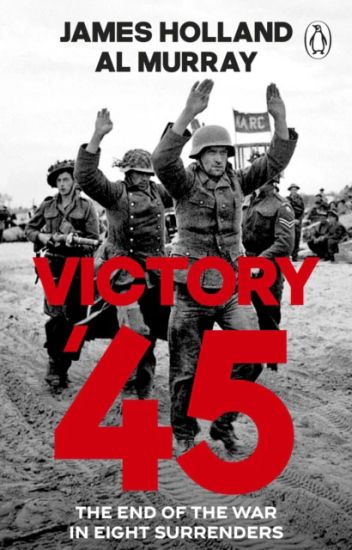
Bestselling historians James Holland and Al Murray tell the unflinching story of the eight surrenders that brought victory to the Allies and ended the Second World War. ‘A gripping, eye-opening and satisfying new account’ The Express _________ From the Italian Alps to northern Germany, to London, New York, Washington and Tokyo, Victory ’45 tells the story of the extraordinary summer when the greatest conflagration the world had ever known finally came to an end after eight surrenders that heralded the Allied victory. Comprised of eight chapters based around each of those surrenders and the victory celebrations which followed, it will be rich in character and human drama with revealing stories and perspectives behind the end of the war not yet told before. Each chapter will follow the viewpoints of a number of key characters as they traverse these world-changing events – from ordinary servicemen and women and civilians to generals and political leaders. What took place during the negotiations of those surrenders and the terms that were agreed there would determine the directions the participating countries would take in the years that followed and ultimately the shape of our current world.
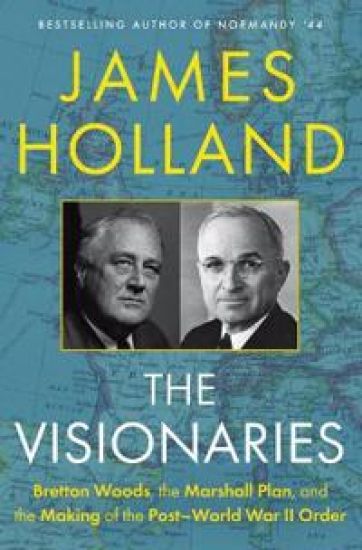
From the pre-eminent historian of WWII, an impassioned appreciation of the unprecedented postwar decision by the United States to aid its enemies as well as its allies via the Marshall Plan, leading to eight decades of peace and shared prosperity, which are being upended in today’s political environment. On March 12, 1947, less than two years after the end of WWII, President Harry S. Truman gave what proved to be a seminal speech before Congress, in response to a European crisis: Greece was facing economic collapse and Britain, long the country’s guarantor against encroaching Soviet ambition, was bankrupt after six years of war. Truman felt the U.S. had to support a free people resisting attempted subjugation through financial aid which, he emphasized, “is essential to economic stability and orderly political processes.” The U.S. economy had thrived and the country was the richest nation in the world. But Truman envisioned that shared prosperity among the democracies would make them politically more stable and long-term peace much more likely. His momentous proposition that the U.S. bail out Greece led in turn to the unprecedented and radical Marshall Plan itself: the decision to aid not only U.S. allies but—for the first time in history--its former enemies as they all rebuilt from the ruins of the calamitous war. Indeed, with this aid Germany and Japan became economic powerhouses and, with most of Europe, staunch allies of the U.S.—and almost eighty years on the benefits of this extraordinary decision are still being felt, albeit threatened in our current political environment. James Holland’s deep knowledge of WWII gives him unique insight and appreciation for its historic aftermath. In tight and vivid prose, Visions of Peace chronicles the prelude to the Marshall Plan—from FDR’s “four freedoms” speech and “Good Neighbor Policy” towards Central and South America to the historic Bretton Woods Conference of July 1944, which established the International Monetary Fund and World Bank. But it was Truman who pushed for the Marshall Plan, which in 1948 kickstarted the fastest period of growth in European history, its low tariff environment encouraging trade and the resultant prosperity and longstanding peace throughout most of Europe and the Americas. However, Holland warns that we in the West have become complacent, less willing to safeguard the freedoms that extended prosperity has allowed; and he makes clear the remarkably far-sighted decisions made in the wake of WWII stand in stark contrast to our transactional approach to the world today.
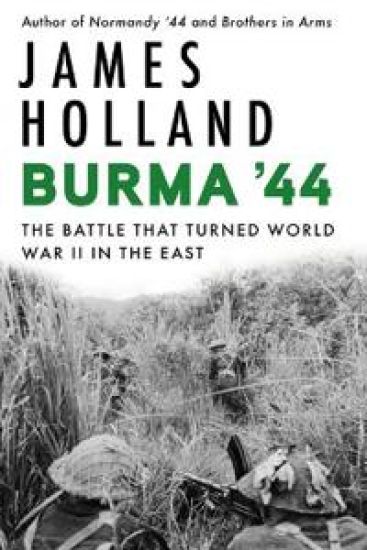
Celebrated historian of World War II James Holland chronicles the astonishing Allied victory at the Battle of the Admin Box in Burma (now Myanmar), a turning point of the war in the Far EastIn February 1944, in one of the most astonishing battles of World War II, a ragtag collection of British clerks, drivers, doctors, muleteers, and other base troops, stiffened by a few dogged Yorkshiremen and a handful of tank crews, managed to defeat a much larger and sophisticated contingent of some of the finest infantry in the Japanese army on their march towards India.What became known as the Battle of the Admin Box, fought amongst the paddy fields and jungle of Northern Arakan over a fifteen-day period, turned the battle for Burma. Not only was it the first decisive victory for Allied troops against the Japanese, more significantly, it demonstrated how the Japanese could be defeated. Lessons learned in this otherwise insignificant corner of the Far East set up the campaign in Burma that would follow, as General William Slim's Fourteenth Army finally turned the tide of the war in the East.In Burma '44, acclaimed World War II historian James Holland offers a dramatic tale of victory against incredible odds. As momentous as the Battle of the Bulge ten months later, the Admin Box was a triumph of human grit and heroism and remains one of the most significant yet underappreciated conflicts of the entire war. In Holland's hands, it is finally given its proper place in the history of World War II.
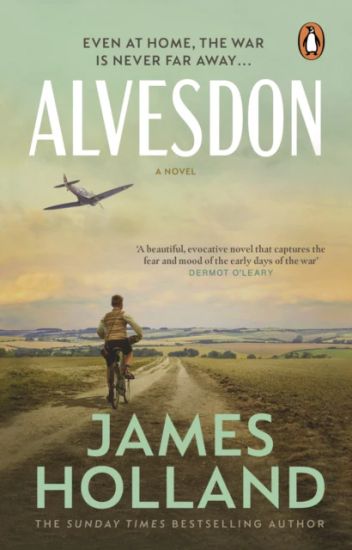
The beautifully rendered fiction debut in the U.S. of preeminent WWII historian James Holland offers a unique angle on the conflict, chronicling the impact of the war on one British family and their small village The village of Alvesdon has been home to the Castells for generations. But the year is 1939, and peace and tranquility are about to be shattered once more by the storm clouds of war in Europe. As three generations of the family gather, they must face the prospect of their lives being transformed beyond recognition. When Britain declares war on Germany, the younger members of the family and farm workers are called up to fight. Those who remain must battle to keep the home fires burning and the farm afloat. The gentle certainties of rural life are replaced by the urgent clamor of war in the air, at sea, and on land, where events unfold with dizzying rapidity and unexpected consequences. Stretching from the glorious summer of 1939 to the Battle of Britain the following year, and with his unparalleled insight and storytelling about World War II, acclaimed historian James Holland's novel paints a compelling and immersive portrait of a family and a community whose way of life will be forever transformed by the horrors of war.
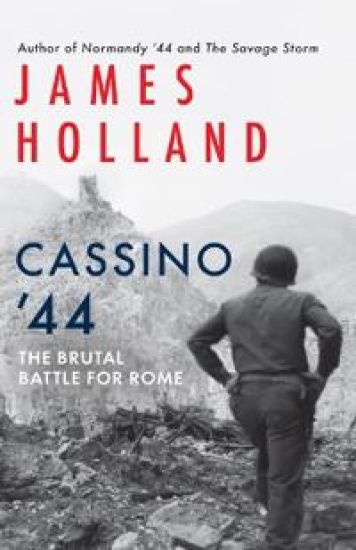
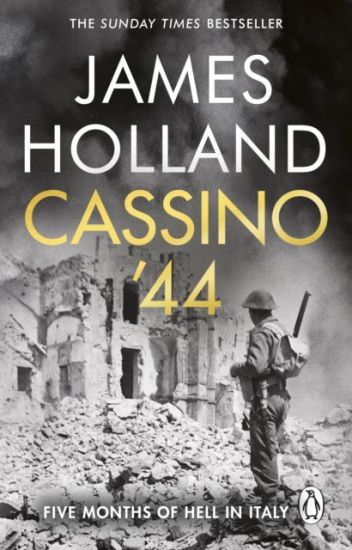
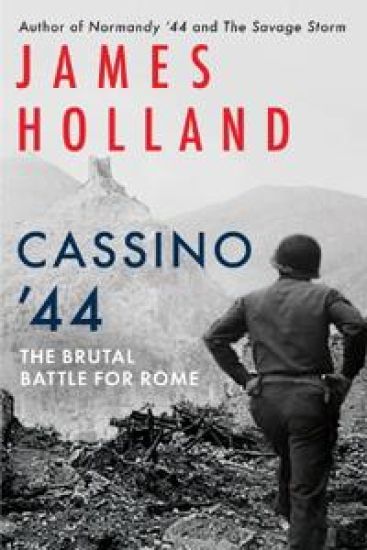
Acclaimed World War II historian James Holland vividly relates the dramatic last months of the Italian Campaign in a masterful volume that brings new awareness to this vital hinge point of the warAs the new year of 1944 began in Italy, the Allied army's momentum had ground to a halt just south of the vaunted German Gustav Line of defense, far short of their initial objective of liberating Rome by Christmas. The fighting up the Italian peninsula had been brutal--rugged terrain, fierce resistance, terrible weather. While Allied leaders in London prepared for the cross-Channel invasion of France later that spring, the war in the West hinged in Italy. As bestselling historian James Holland relates in his seminal concluding volume on the Italy Campaign, the next five months saw two of World War II's most famous battles--the four ferocious assaults on Monte Cassino and the fraught landing northwest in the marshes at Anzio--culminating at last in the liberation of Rome on June 4, merely two days before D-Day.Based on twenty years of research, Cassino '44 offers perspectives and conclusions that differ from the standard narrative. Holland elevates the narrative of war, chronicling the dramatic events primarily through in-the-moment letters and diaries of those who were there. Counterpointing the memories of German soldiers like battalion commander Jurg Kellner with those of British captain John Strick and American corporal Audie Murphy, whose exploits in the field would lead to Hollywood fame, and of Italian citizens and politicians caught up in the maelstrom, Holland vividly recreates their day-to-day encounter with destiny over each bloodily contested mile.General Mark Clark, overall Allied commander in Italy, has been criticized for being overly cautious and needlessly extending the campaign. Holland argues that, given the conditions and constant shortage of materiel held back for the D-Day invasion, Clark and other commanders led a remarkably successful campaign. Well more than 100,000 Allied casualties occurred in the five months leading to Rome, more than in any other campaign of the war. Cassino '44 is the definitive account of a key turning point of World War II and brings our appreciation of the experience of war to a new level.
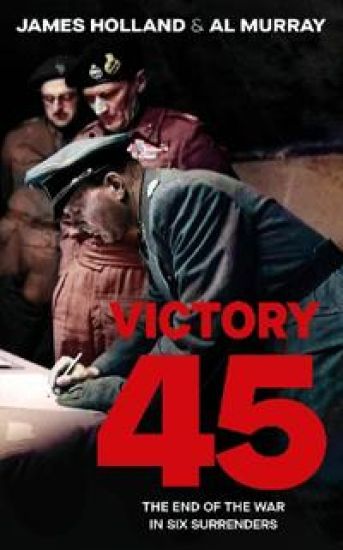
On the 80th anniversary of the end of World War II, two acclaimed historians chronicle the remarkable stories behind the surrenders that ended the world's most catastrophic global conflictIn May 1944 and then again in August and early September, the seemingly endless World War II finally came to a close in six dramatic surrender ceremonies, four in Europe and the last two in Japan. On the 80th anniversary of those historic moments, celebrated historians James Holland and Al Murray chronicle these momentous events in turn, focusing especially on the human dramas behind each surrender and relating stories and perspectives on the end of the war that have not previously been told.Germany's armies submitted to the Allies in four ceremonies between May 2 and June 7, the latter after considerable delays by the Germans and threats from General Dwight D. Eisenhower, Supreme Allied Commander. Japan then finally conceded only after the bombing of Hiroshima and Nagasaki, initially on August 15th and then in a formal ceremony aboard the USS Missouri on September 2. Holland and Murray focus on specific characters participating in each of these world-changing events--from ordinary servicemen and women and civilians to generals and political leaders. The saga of the first German surrender, in Italy, revolves around senior SS general Karl Wolff's personal battle to save his own neck and involves VIP prisoners locked up in a resort in South Tyrol, art theft, money laundering, and the resistance of other German commanders to give up. The German surrender to the Americans on May 5 follows the fortunes of private Alan Moskin from New Jersey, whose 6th Infantry Regiment found themselves liberating Gunskirchen, one of Mauthausen's sub-concentration camps, the terrible reality of which affected the rest of his life.The stories surrounding the war's end are in their own way as dramatic as the strategy and battles themselves. As Holland and Murray make clear, they add greatly to our understanding and appreciation of World War II and its legacy.
‘It should become a standard work on this campaign’ Telegraph'James Holland is now our foremost authority on the Italian campaign' John C. McManus'A heart-pounding narrative of the brutal Allied fight to take Rome... This is history at its finest' James M. Scott, Pulitzer Prize finalist'Holland writes with eloquence and power about the harsh realities of a brutal battle that grabbed the world’s attention and helped to decide the future of Italy' Professor Michael S. Neiberg___________There are no such thing as an easy victory in war but after triumph in Tunisia, the sweeping success of the Sicilian invasion, and with the Italian surrender, the Allies were confident that they would be in Rome before Christmas 1943.And yet it didn't happen. Hitler ordered his forces to dig in and fight for every yard, thus setting the stage for one of the grimmest and most attritional campaigns of the Second World War.By the start of 1944, the Allies found themselves coming up against the Gustav Line: a formidable barrier of wire, minefields, bunkers and booby traps, woven into a giant chain of mountains and river valleys that stretched the width of Italy where at its strongest point perched the Abbey of Monte Cassino.It would take five long bitter winter months and the onset of summer before the Allies could finally bludgeon their way north and capture Rome. By then, more than 75,000 troops and civilians had been killed and the historic abbey and entire towns and villages had been laid waste.Following a rich cast of characters from both sides - from frontline infantry to aircrew, from clerks to battlefield commanders, and from politicians and civilians caught up in the middle of the maelstrom - James Holland has drawn widely on diaries, letters and contemporary sources to write the definitive account of this brutal battle. The result is a compelling and often heart-breaking narrative, told in the moment, as the events played out, and from the perspective of those who lived, fought and died there.
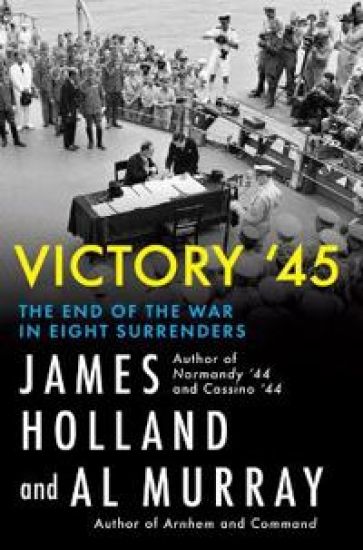
Celebrating the 80th anniversary of VE Day, bestselling historians James Holland and Al Murray tell the unflinching story of the eight surrenders that brought victory to the Allies and ended the Second World War.‘A gripping, eye-opening and satisfying new account’ The Express_________From the Italian Alps to northern Germany, to London, New York, Washington and Tokyo, Victory ’45 tells the story of the extraordinary summer when the greatest conflagration the world had ever known finally came to an end after eight surrenders that heralded the Allied victory.Comprised of eight chapters based around each of those surrenders and the victory celebrations which followed, it will be rich in character and human drama with revealing stories and perspectives behind the end of the war not yet told before. Each chapter will follow the viewpoints of a number of key characters as they traverse these world-changing events – from ordinary servicemen and women and civilians to generals and political leaders.What took place during the negotiations of those surrenders and the terms that were agreed there would determine the directions the participating countries would take in the years that followed and ultimately the shape of our current world.
From the Italian Alps to northern Germany, to London, New York, Washington and Tokyo, Victory ’45 tells the story of the extraordinary summer when the greatest conflagration the world had ever known finally came to an end after six surrenders that heralded the Allied victory.Comprised of eight chapters based around each of those surrenders and the victory celebrations which followed, it will be rich in character and human drama with revealing stories and perspectives behind the end of the war not yet told before. Each chapter will follow the viewpoints of a number of key characters as they traverse these world-changing events – from ordinary servicemen and women and civilians to generals and political leaders.What took place during the negotiations of those surrenders and the terms that were agreed there would determine the directions the participating countries would take in the years that followed and ultimately the shape of our current world.
Acclaimed World War II historian James Holland vividly relates the dramatic last months of the crucial Italian Campaign from all sides in a masterful volume that illuminates the immediate experience of war like no otherAs the new year of 1944 began in Italy, the Allied army's momentum had ground to a halt just south of the vaunted German Gustav Line of defense, far short of their initial objective of liberating Rome by Christmas. The fighting up the Italian peninsula had been brutal--rugged terrain, fierce resistance, terrible weather. While Allied leaders prepared for the cross-Channel invasion of France later that spring, the war in the West hinged in Italy. As bestselling historian James Holland relates in his seminal concluding volume on the Italy Campaign, the next five months saw two of World War II's most famous battles--the four ferocious assaults on Monte Cassino and the fraught landing northwest in the marshes at Anzio--culminating at last in the liberation of Rome on June 4-merely two days before D-Day.Based on twenty years of research, Cassino '44 offers perspectives and conclusions that differ from the standard narrative. Holland elevates the narrative of war, chronicling the dramatic events primarily through in-the-moment letters and diaries of those who were there. Counterpointing the memories of German soldiers like battalion commander Jurg Kellner with those of British nurse Kal Morgan and American corporal Audie Murphy, whose exploits in the field would lead to Hollywood fame, and of Italian citizens and politicians caught up in the maelstrom, Holland vividly recreates their day-to-day encounter with destiny over each bloodily contested mile.General Mark Clark, overall Allied commander in Italy, has been criticized for being overly cautious and needlessly extending the campaign. Holland argues that, given the conditions and constant shortage of materiel held back for the D-Day invasion, Clark and other commanders led a remarkably successful campaign. Well more than 100,000 Allied casualties occurred in the five months leading to Rome, more than in any other campaign of the war. Cassino '44 is the definitive account of a key turning point of World War II and brings our appreciation of the experience of war to a new level.
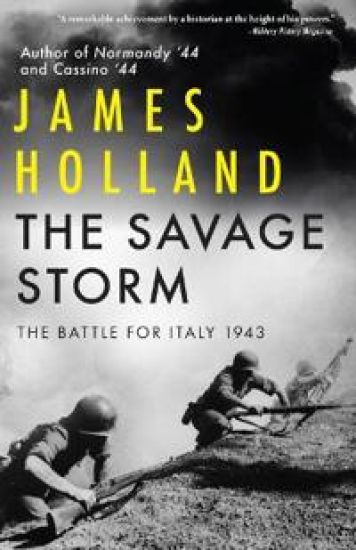
Acclaimed WWII historian James Holland both narrates and reframes the controversial first months of the Italian Campaign and sets a new standard in the chronicling of war Following victory in Sicily, while the central command planned the spring 1944 invasion of France, Allied troops crossed into southern Italy in September 1943, expecting to drive Axis forces north and liberate Rome by Christmas. Italy quickly surrendered but German divisions fiercely resisted, and the hoped-for quick victory descended into one of the most challenging and protracted battles of the entire war. James Holland's The Savage Storm, chronicling the dramatic opening months of the Italian Campaign in unflinching and insightful detail, is unlike any campaign history yet written. Holland has always narrated war at ground level, but here goes further by chronicling events almost entirely through the contemporary eyes of those who were there on all sides and at alllevels--Allied, Axis, civilians alike. Weaving together a wealth of letters, diaries, and other documents--from the likes of American General Mark Clark, German battalion commander Georg Zellner, New Zealand lance-corporal Roger Smith, legendary war reporter Ernie Pyle, and Italian politician Filippo Caracciolo--Holland traces the battles as they were experienced across plains, over mountains, through shattered villages and cities, in intense heat and, towards the end of December 1943, frigid cold and relentless rain.Such close-up views persuade Holland to recast important aspects of the campaign, reappraising the reputation of Mark Clark himself and other senior commanders of the U.S. Fifth and British Eighth armies. Given the shortage of Allied shipping and materiel allocated to Italy because of the build-up for D-Day, more was expected of Allied troops in Italy than anywhere else, and, as accounts at the time attest, a huge price was paid by everyone for each bloodily contested mile. Putting readers vividly in the moment as events unfolded, with characters made unforgettable by their own words, The Savage Storm is a defining account of the pivotal months leading to Monte Cassino, and a landmark in the writing about war.
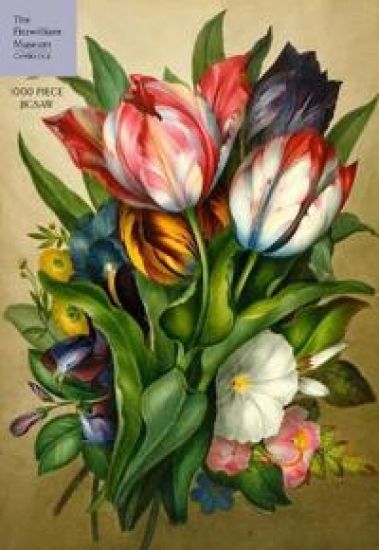
The Fitzwilliam's outstanding collection of botanical art came to the Museum through the Broughton Bequest in 1973, a generous legacy from Henry Rogers Broughton. Several flower studies by Holland are present in the bequest, all demonstrating his exceptional talent for capturing the colours of nature. This vibrant bouquet of mixed flowers by British artist James Holland is brought to life in watercolour and bodycolour. James Holland was a 19th Century English painter of flowers, landscapes, architecture, marine subjects, and a book illustrator. He worked in both oils and watercolours and was a member of the Royal Watercolour Society.