Kirjojen hintavertailu. Mukana 12 390 323 kirjaa ja 12 kauppaa.

Kirjailija

James L. Darroch

Kirjat ja teokset yhdessä paikassa: 3 kirjaa, julkaisuja vuosilta 1999-2021, suosituimpien joukossa Stumbling Giants. Vertaile teosten hintoja ja tarkista saatavuus suomalaisista kirjakaupoista.

3 kirjaa

Kirjojen julkaisuhaarukka 1999-2021.

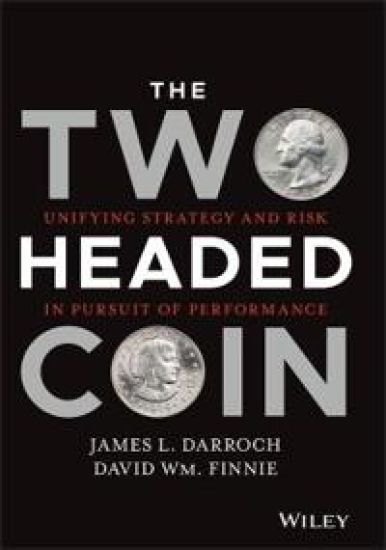
The Two Headed Coin

The Two Headed Coin

James L. Darroch; David Wm. Finnie

John Wiley Sons Inc
2021
sidottu
Discover the interplay between strategy and risk in this insightful new resource from two experts in the financial industry who have applied their knowledge to multiple industries In The Two Headed Coin, accomplished authors James L. Darroch and David Wm. Finnie deliver an insightful exploration of the interplay between strategy and risk that underlies the operational framework of successful organizations. You'll learn which risks are fundamental to the strategic positioning and goals of your organization and which are not. You'll also discover the importance of an independent risk function, e,g., the CRO, and its invaluable role as part of the strategic process. You'll also find: A thorough discussion of the notion of competitive advantage and how it relates to riskAn exploration of consumer perception and reputation as an asset to be managedHow to use scenario planning and real options to provide a framework for managing uncertaintyHow a focus on culture and ethics can minimize the risk of large losses due to adverse behaviors Perfect for risk management and strategy professionals The Two Headed Coin will also earn a place in the libraries of executives and managers who wish to improve their ability to integrate strategic and risk thinking to create competitive advantage.

Stumbling Giants

Stumbling Giants

Patricia Meredith; James L. Darroch

University of Toronto Press
2017
sidottu
Winner of the 2018 Donner Prize for the Best Public Policy Book by Canadian authors, Stumbling Giants by Patricia Meredith and James L. Darroch presents a compelling new vision of the Canadian banking industry in which stakeholders work together to propel the country’s banking system into the twenty-first century. Canada’s big six banks survived the 2008 financial crisis by adhering to traditional banking practices, which made them a safe harbour amidst the turmoil. With banks earning 40 per cent return on equity from practices such as in-person retail banking, pressure from investors with short-term interests continues to discourage technological innovation and adaptation. However, today’s global information economy has transformed the financial lives of individuals and companies alike. Meredith and Darroch argue that Canadian banks refuse to address the disruptive info-tech changes that ultimately threaten their very existence. The authors also set forth a cohesive set of recommendations to prepare the nation’s banks for the challenges and opportunities offered by the digital age. This call to action for the Canadian banking will resonate with financial sector managers, policy makers, and, above all, general readers.
Canadian Banks and Global Competitiveness

Canadian Banks and Global Competitiveness

James L. Darroch

McGill-Queen's University Press
1999
nidottu
Darroch believes that knowledge of how the activities of these banks in international markets removed growth constraints from both the banks and the economy is vital to understanding the development of Canadian banking and the Canadian economy. In Canadian Banks and Global Competitiveness he surveys the strategies that produced the banks' high rankings. Using a case study approach, he examines the history of each bank from its founding to the passage of the 1992 omnibus financial services legislation, evaluating how its strategies have evolved in changing environments and exposing the long-term effects of corporate decisions and the profound effects of public policy on this regulated industry. Darroch shows that each bank has made an important and distinctive contribution to the competitiveness and development of the Canadian economy. From his analysis it becomes clear that the banks were not so much "leaders" or "followers" as key enablers for Canadian firms and the Canadian economy.