Kirjailija
James L. Neibaur
Kirjat ja teokset yhdessä paikassa: 37 kirjaa, julkaisuja vuosilta 2005-2026, suosituimpien joukossa The Andy Clyde Columbia Comedies. Vertaile teosten hintoja ja tarkista saatavuus suomalaisista kirjakaupoista.
Mukana myös kirjoitusasut: James L Neibaur
37 kirjaa
Kirjojen julkaisuhaarukka 2005-2026.
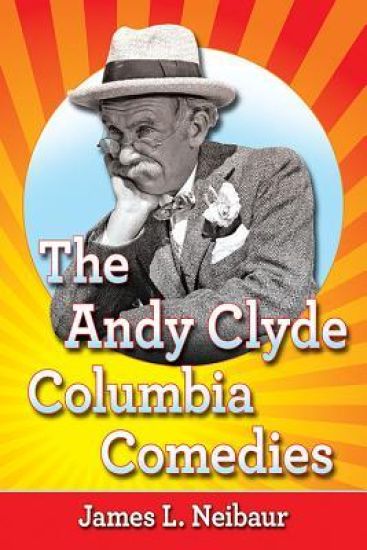
Andy Clyde starred in the second-longest series of shorts at Columbia Pictures (after the Three Stooges), with nearly 80 productions from 1934 to 1956. This film-by-film analysis of Clyde's Columbia short comedies features introductory chapters on his early life, stage work, silent films and early talkies, as well as concluding chapters on his appearances in feature films--including several Hopalong Cassidy westerns--and his television roles on such shows as Lassie and The Real McCoys. Rare photos and graphics are included.
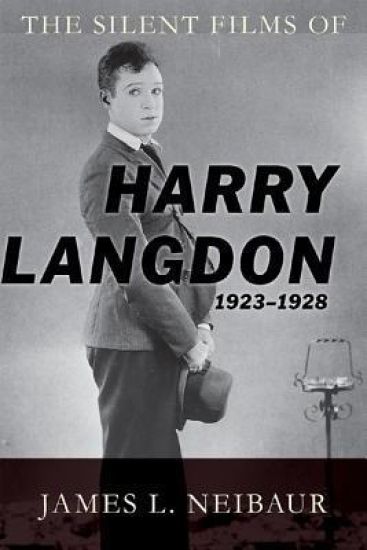
Harry Langdon was a silent screen comedian unlike any other. Slower in pace, more studied in movement, and quirkier in nature, Langdon challenged the comic norm by offering comedies that were frequently edgy and often surreal. After a successful run of short comedies with Mack Sennett, Langdon became his own producer at First National Pictures, making such features as Tramp Tramp Tramp, The Strong Man, and Long Pants before becoming his own director for Three's a Crowd, The Chaser, and Heart Trouble. In The Silent Films of Harry Langdon (1923-1928), film historian James Neibaur examines Langdon's strange, fascinating work during the silent era, when he made landmark films that were often ahead of their time. Extensively reviewing the comedian's silent screen work film by film, Neibaur makes the case that Langdon should be accorded the same lofty status as his contemporaries: Charlie Chaplin and Buster Keaton. With fascinating insights into the work of an under-appreciated artist, this book will be of interest to both fans and scholars of silent cinema.
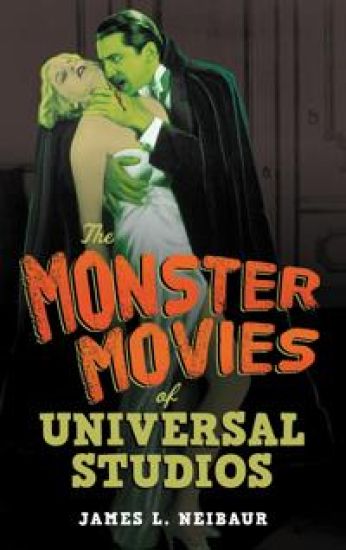
In 1931 Universal Studios released Dracula starring Bela Lugosi. This box office success was followed by a string of films featuring macabre characters and chilling atmospherics, including Frankenstein, The Mummy, and The Invisible Man. With each new film, Universal established its place in the Hollywood firmament as the leading producer of horror films, a status it enjoyed for more than twenty years.In The Monster Movies of Universal Studios, James L. Neibaur examines the key films produced by the studio from the early 1930s through the mid-1950s. In each entry, the author recounts the movie’s production, provides critical commentary, considers the film’s commercial reception, and offers an overall assessment of the movie’s significance. Neibaur also examines the impact these films had on popular culture, an influence that resonates in the cinema of fear today.From the world premiere of Dracula to the 1956 release of The Creature Walks among Us, Universal excelled at scaring viewers of all ages—and even elicited a few chuckles along the way by pitting their iconic creatures against the comedic pair of Abbott and Costello. The Monster Movies of Universal Studios captures the thrills of these films, making this book a treat for fans of the golden age of horror cinema.
Judy Garland was an entertainment icon whose performances on stage, screen and television had a tremendous impact across decades and media. This film-by-film study of her work follows her progression from pig-tailed child to a top motion picture star, with such timeless classics as The Wizard of Oz, Meet Me in St Louis, and A Star is Born. Garland's talent and versatility as an actress are explored through each of her movie roles. More than just a reference filmography, this work examines how Garland's talents were realized and understood by producers and the world. It analyzes the star's relatonships with various co-stars and directors and details how she balanced her painful insecurities with her often focused and driven approach to her work. Through the context of her work on film, Judy Garland's innate and enduring star power is readily appreciated and acknowledged.
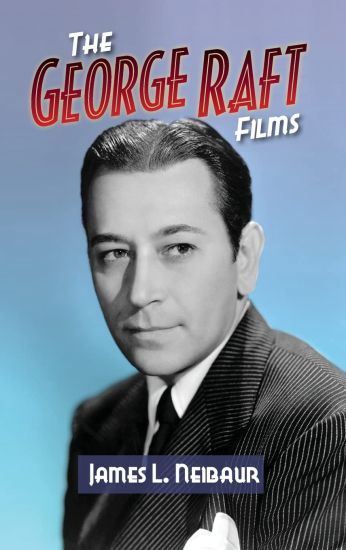
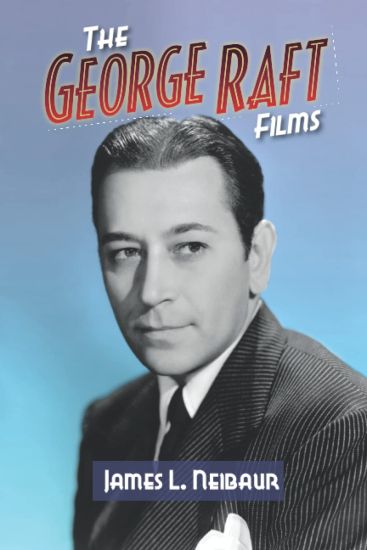
George Raft's career trajectory is quite fascinating, from the stirring image of a gangster coldly flipping a coin in Scarfaceto achieving stardom as a leading man, and finally ending his career once again playing small roles as a gangster in Hollywood films. This book is a film-by-film look at Raft's long career with movies like Bolero, in which he was able to exhibit his formidable skill as a dancer, Souls at Sea, Each Dawn I Die, Johnny Angel, and Red Light; exploring the adventure films, action dramas, and post-war film noir productions that continue to define the actor's career. Raft is also known for turning down films that later became classics like The Maltese Falcon and Double Indemnity. His minimalist style is often dismissed as limited but it is filled with nuance and his best work remains relevant in the 21st century.
Frank Sinatra is an iconic figure in music, but his film career is often overlooked. His innate talent as an actor is proven in many serious dramatic roles, including films like Man with the Golden Arm, The Manchurian Candidate, and From Here to Eternity, for which he received an Oscar. From romantic musical comedies to Rat Pack films, Frank Sinatra achieved a great deal of success in motion pictures. He even took a stab at directing. This book examines each of Frank Sinatra's movies, from his early years as a bobby soxer idol, to more serious roles that exhibited the depth of his talent. Provided are background stories, production information, critical assessments, and an explanation of how his career as a recording artist connected to the movie. Discover through 60 photographs, interviews, and more, this underappreciated aspect of Sinatra's career.
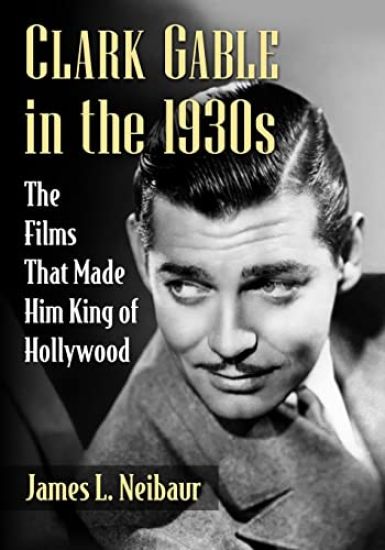
The 1930s represented the strongest and most significant decade in Clark Gable's career. Later known as The King of Hollywood, Gable started out as a journeyman actor who quickly rose to the level of star, and then icon. With his ruggedly attractive looks and effortless charisma, Gable was the sort of manly romantic lead that bolstered features alongside the likes of Jean Harlow, Joan Crawford, and Spencer Tracy. The decade culminated with Gable's most noted movie, Gone With the Wind. This book traces Gable's early career, film-by-film, offering background information and a critical assessment of each of his movies released during the 1930s.
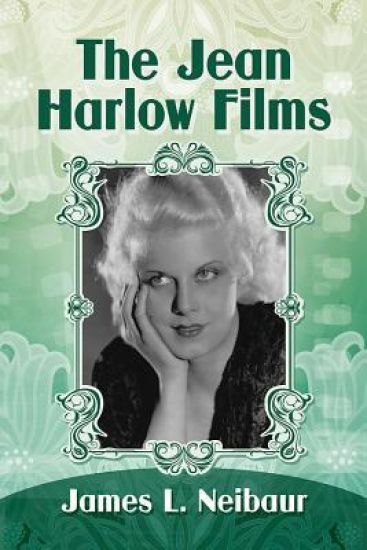
One of the powerful icons of 1930s Hollywood film, Jean Harlow died a tragically early death in 1937 at age 26. During her brief career, she delivered memorable performances in such MGM classics as Red Dust (1932), Bombshell (1933), Dinner at Eight (1933) and Libeled Lady (1936), among others. Taking a film-by-film look at Harlow's work and her own impressions of her costars and directors, this retrospective traces her growth as an actress--from tentative supporting player to top star at a prestigious studio--and how her often tumultuous life informed her performances.
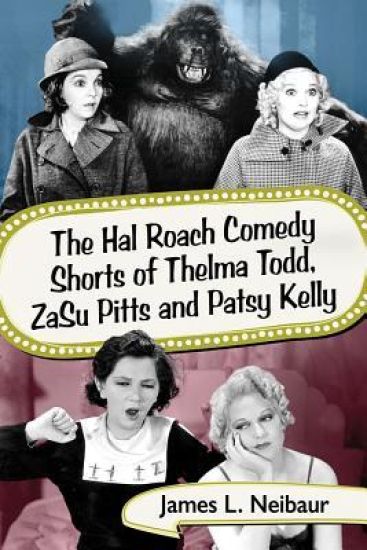
The Hal Roach Comedy Shorts of Thelma Todd, ZaSu Pitts and Patsy Kelly
James L. Neibaur
McFarland Co Inc
2018
pokkari
?Hoping to follow his Laurel and Hardy success with a female comedy team, producer Hal Roach paired Thelma Todd with ZaSu Pitts in a 1931 series of two-reel shorts. Pitts left the studio for other pursuits, was replaced by Patsy Kelly and the series continued to be successful. Todd died under mysterious circumstances in 1935 and Kelly tried to carry on, first with Pert Kelton, then with Lyda Roberti. When Roberti died in 1938, the series ended. This book takes the first film-by-film look at each of the comedies these women made, how they responded to different directors and how production adapted to changes along the way. Credits, production information, period reviews, and critical assessments are included.
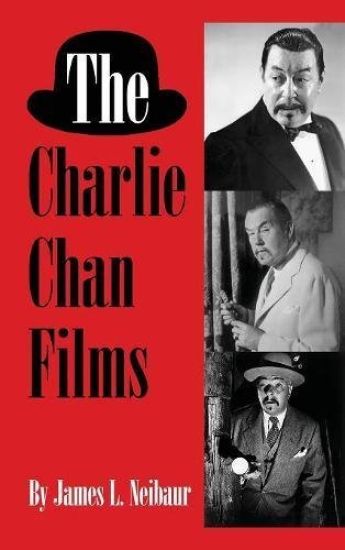
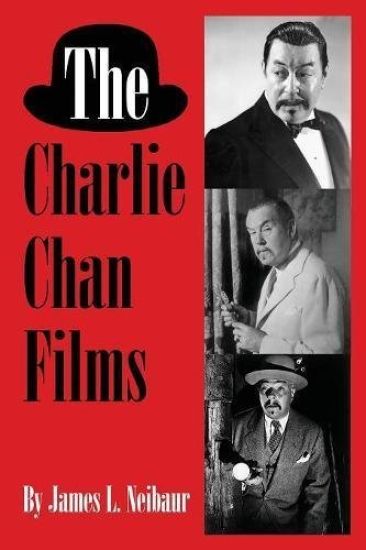
The Charlie Chan film series from 1931-1949 went through three lead actors and two studios over 44 films while still maintaining consistent popularity with moviegoers. This book looks at all of the films in the series, including early ones that are now lost, and examines each movie in context. Common themes, critical assessments, discussion of the director and the actors, period reviews, production information, and recollections from those who appeared in the films are all included. From its literary origins to its modern day controversies, The Charlie Chan Films continue to resonate as late as the 21st century.