Kirjojen hintavertailu. Mukana 12 215 186 kirjaa ja 12 kauppaa.

Kirjailija

James M. Donovan

Kirjat ja teokset yhdessä paikassa: 10 kirjaa, julkaisuja vuosilta 2003-2025, suosituimpien joukossa Short-Term Object Relations Couples Therapy. Vertaile teosten hintoja ja tarkista saatavuus suomalaisista kirjakaupoista.

10 kirjaa

Kirjojen julkaisuhaarukka 2003-2025.

Short-Term Object Relations Couples Therapy
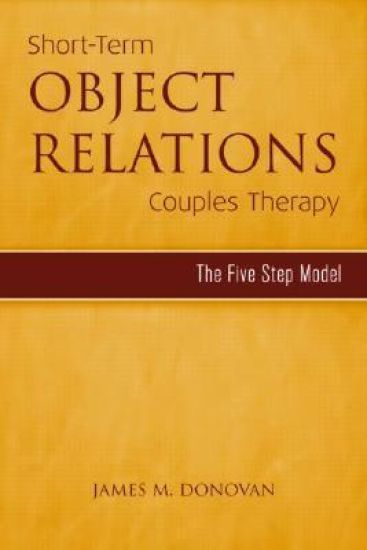
Brief therapies have become popular-indeed a necessity-in today's managed care environment. Perhaps because it is one of the more complex psychoanalytical models, object relations theory for couples has not been adapted to a short-term model until now. In this volume, James Donovan provides a model for short-term object relations couples therapy, while at the same time offering an easy-to-read primer on object relations that gives the practitioner a step-by-step model replete with examples for using object relations in practice. The goal of this short-term therapy is that couples emerge with an awareness of these internalized object relations and their significance. This book builds on previously successful couples work by advising the therapist to focus on the core, recurring impasse that threatens the couples relationship and stirs old wounds, and gives detailed intervention strategies that focus on the mediation and resolution of the core fight. The five-step model outlines the ways to dismantle the conflict at the levels of the individual and the couple. Donovan integrates aspects of other successful couples therapies into his model in order to broaden its applicability to a greater diversity of treatment situations.
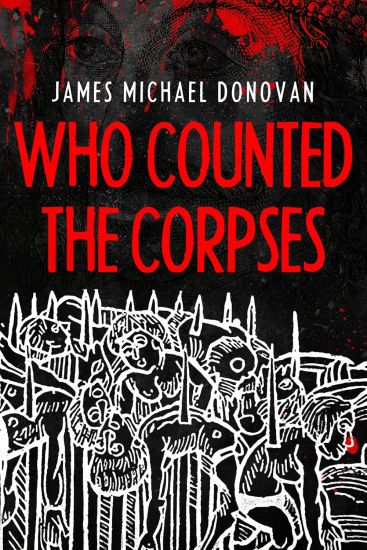
Who Counted the Corpses: Vlad Dracula and History

Who Counted the Corpses: Vlad Dracula and History

James M. Donovan

Histria Academic
2025
sidottu
Vlad III Dracula: Monster or Hero? Vlad III Dracula, famously known as Vlad the Impaler, was a 15th-century ruler of the Romanian principality of Wallachia and remains one of history's most controversial figures. In the West, he is often portrayed as a ruthless, mass-murdering psychopath. This perception was cemented by Bram Stoker, whose 19th-century novel Dracula drew inspiration from Vlad's reputation to create the fictional vampire Count Dracula. However, in Romania and parts of Eastern Europe, Vlad the Impaler is celebrated as a brilliant military strategist who bravely defended his land against the Ottoman Turks, earning him the status of a national hero among 19th-century Romanian nationalists. This stark contrast raises the question: was Vlad Dracula a madman, or a Machiavellian prince whose brutal acts were politically motivated? This book delves into the origins of these opposing views and traces how they have been shaped and reshaped from the 15th century to the present day. By examining diverse accounts from Romanian, Turkish, German, Russian, British, French, and American sources, it reveals the political and propagandistic biases that have colored historical narratives. Additionally, it addresses whether Vlad truly served as an inspiration for Stoker's iconic vampire. Ultimately, it uncovers the complexities and uncertainties that shape our understanding of history.
Paraverbal Communication in Psychotherapy

Paraverbal Communication in Psychotherapy

James M. Donovan; Kristin A. R. Osborn; Susan Rice

Rowman Littlefield
2016
sidottu
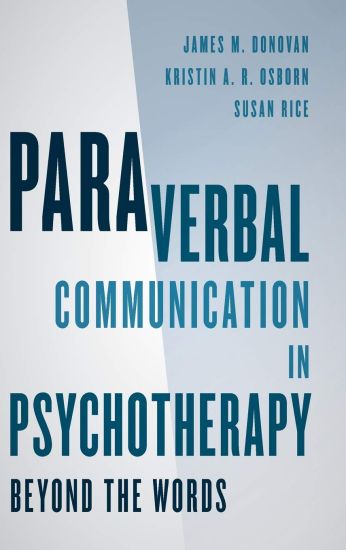
Paraverbal Communication in Psychotherapy: Beyond the Words delves into the world of nonverbal cues that are ubiquitous in our lives and particularly revealing in therapeutic practice. Building upon the research of Daniel Stern, Beatrice Beebe, and others, the authors explore the specific manner in which patient and therapist interchange para-verbally in psychotherapy. The authors examine the history of and current trends in dynamic psychotherapy and discuss the tools and procedure for analyzing para-verbal communication. By reviewing engaging case studies from their own practices, the authors step through how therapists and clinicians can capture non-verbal signs like facial expression, tone of voice, or posture in their own sessions. By examining both the client and therapist, practitioners can discover insights into their own techniques, how they engage with clients, and how to anticipate significant changes in treatment based on para-verbal exchanges. Paraverbal Communication in Psychotherapy navigates through the web of unspoken communication to create an innovative approach to psychotherapy and a valuable tool for practitioners and those in training.
Paraverbal Communication in Psychotherapy

Paraverbal Communication in Psychotherapy

James M. Donovan; Kristin A. R. Osborn; Susan Rice

Rowman Littlefield
2016
nidottu
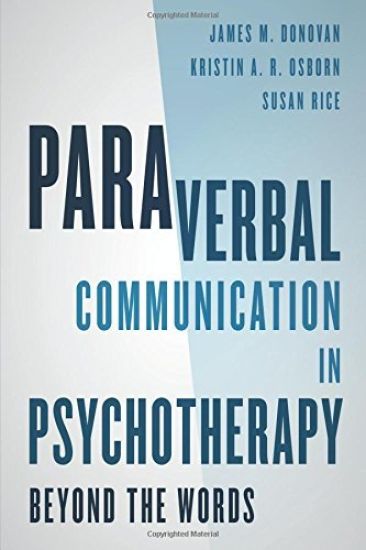
Paraverbal Communication in Psychotherapy: Beyond the Words delves into the world of nonverbal cues that are ubiquitous in our lives and particularly revealing in therapeutic practice. Building upon the research of Daniel Stern, Beatrice Beebe, and others, the authors explore the specific manner in which patient and therapist interchange para-verbally in psychotherapy. The authors examine the history of and current trends in dynamic psychotherapy and discuss the tools and procedure for analyzing para-verbal communication. By reviewing engaging case studies from their own practices, the authors step through how therapists and clinicians can capture non-verbal signs like facial expression, tone of voice, or posture in their own sessions. By examining both the client and therapist, practitioners can discover insights into their own techniques, how they engage with clients, and how to anticipate significant changes in treatment based on para-verbal exchanges. Paraverbal Communication in Psychotherapy navigates through the web of unspoken communication to create an innovative approach to psychotherapy and a valuable tool for practitioners and those in training.
Juries and the Transformation of Criminal Justice in France in the Nineteenth and Twentieth Centuries
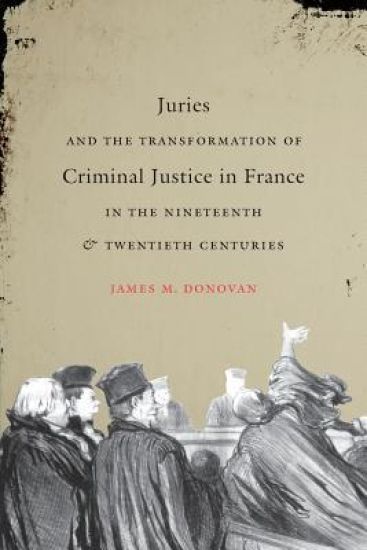
James Donovan takes a comprehensive approach to the history of the jury in modern France by investigating the legal, political, sociocultural, and intellectual aspects of jury trial from the Revolution through the twentieth century. He demonstrates that these juries, through their decisions, helped shape reform of the nation's criminal justice system.From their introduction in 1791 as an expression of the sovereignty of the people through the early 1900s, argues Donovan, juries often acted against the wishes of the political and judicial authorities, despite repeated governmental attempts to manipulate their composition. High acquittal rates for both political and nonpolitical crimes were in part due to juror resistance to the harsh and rigid punishments imposed by the Napoleonic Penal Code, Donovan explains. In response, legislators gradually enacted laws to lower penalties for certain crimes and to give jurors legal means to offer nuanced verdicts and to ameliorate punishments. Faced with persistently high acquittal rates, however, governments eventually took powers away from juries by withdrawing many cases from their purview and ultimately destroying the panels' independence in 1941.
Legal Anthropology

Legal Anthropology

James M. Donovan

AltaMira Press,U.S.
2007
nidottu
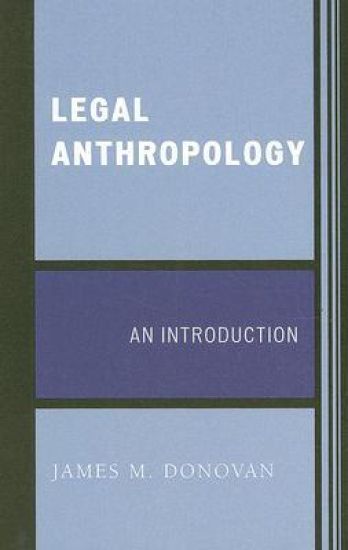
Legal Anthropology: An Introduction offers an initial overview of the challenging debates surrounding the cross-cultural analysis of legal systems. Equal parts review and criticism, James M. Donovan outlines the historical landmarks in the development of the discipline, identifying both strengths and weaknesses of each stage and contribution. Legal Anthropology suggests that future progress can be made by looking at the perceived fairness of social regulation, rather than sanction or dispute resolution as the distinguishing feature of law.
Legal Anthropology

Legal Anthropology

James M. Donovan

AltaMira Press,U.S.
2007
sidottu
Legal Anthropology: An Introduction offers an initial overview of the challenging debates surrounding the cross-cultural analysis of legal systems. Equal parts review and criticism, James M. Donovan outlines the historical landmarks in the development of the discipline, identifying both strengths and weaknesses of each stage and contribution. Legal Anthropology suggests that future progress can be made by looking at the perceived fairness of social regulation, rather than sanction or dispute resolution as the distinguishing feature of law.
Anthropology and Law

Anthropology and Law

James M. Donovan; H. Edwin Anderson III

Berghahn Books, Incorporated
2005
pokkari
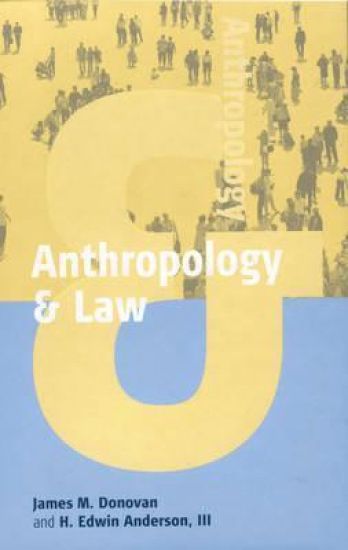
The relationship between Law and Anthropology can be considered as having been particularly intimate. In this book the authors defend their assertion that the two fields co-exist in a condition of "balanced reciprocity" wherein each makes important contributions to the successful practice and theory of the other. Anthropology, for example, offers a cross-culturally validated generic concept of "law," and clarifies other important legal concepts such as "religion" and "human rights." Law similarly illuminates key anthropological ideas such as the "social contract," and provides a uniquely valuable access point for the analysis of sociocultural systems. Legal practice renders a further important benefit to anthropology when it validates anthropological knowledge through the use of anthropologists as expert witnesses in the courtroom and the introduction of the "culture defense" against criminal charges. Although the actual relationship between anthropology and law today falls short of this idealized state of balanced reciprocity, the authors include historical and other data suggesting that that level of intimate cooperation draws ever closer.
Anthropology and Law

Anthropology and Law

James M. Donovan; H. Edwin Anderson III

Berghahn Books, Incorporated
2003
sidottu
The relationship between Law and Anthropology can be considered as having been particularly intimate. In this book the authors defend their assertion that the two fields co-exist in a condition of "balanced reciprocity" wherein each makes important contributions to the successful practice and theory of the other. Anthropology, for example, offers a cross-culturally validated generic concept of "law," and clarifies other important legal concepts such as "religion" and "human rights." Law similarly illuminates key anthropological ideas such as the "social contract," and provides a uniquely valuable access point for the analysis of sociocultural systems. Legal practice renders a further important benefit to anthropology when it validates anthropological knowledge through the use of anthropologists as expert witnesses in the courtroom and the introduction of the "culture defense" against criminal charges. Although the actual relationship between anthropology and law today falls short of this idealized state of balanced reciprocity, the authors include historical and other data suggesting that that level of intimate cooperation draws ever closer.
Short-Term Object Relations Couples Therapy

Short-Term Object Relations Couples Therapy

James M. Donovan

Brunner-Routledge
2003
sidottu
Brief therapies have become popular-indeed a necessity-in today's managed care environment. Perhaps because it is one of the more complex psychoanalytical models, object relations theory for couples has not been adapted to a short-term model until now. In this volume, James Donovan provides a model for short-term object relations couples therapy, while at the same time offering an easy-to-read primer on object relations that gives the practitioner a step-by-step model replete with examples for using object relations in practice. The goal of this short-term therapy is that couples emerge with an awareness of these internalized object relations and their significance. This book builds on previously successful couples work by advising the therapist to focus on the core, recurring impasse that threatens the couples relationship and stirs old wounds, and gives detailed intervention strategies that focus on the mediation and resolution of the core fight. The five-step model outlines the ways to dismantle the conflict at the levels of the individual and the couple. Donovan integrates aspects of other successful couples therapies into his model in order to broaden its applicability to a greater diversity of treatment situations.