

Kirjailija
James O'Connor
Kirjat ja teokset yhdessä paikassa: 11 kirjaa, julkaisuja vuosilta 1998-2025, suosituimpien joukossa Untitled Goose Game. Vertaile teosten hintoja ja tarkista saatavuus suomalaisista kirjakaupoista.
Mukana myös kirjoitusasut: James O´connor
11 kirjaa
Kirjojen julkaisuhaarukka 1998-2025.

Works of James O'Connor - The deaf poet is an unchanged, high-quality reprint of the original edition of 1879. Hansebooks is editor of the literature on different topic areas such as research and science, travel and expeditions, cooking and nutrition, medicine, and other genres. As a publisher we focus on the preservation of historical literature. Many works of historical writers and scientists are available today as antiques only. Hansebooks newly publishes these books and contributes to the preservation of literature which has become rare and historical knowledge for the future.


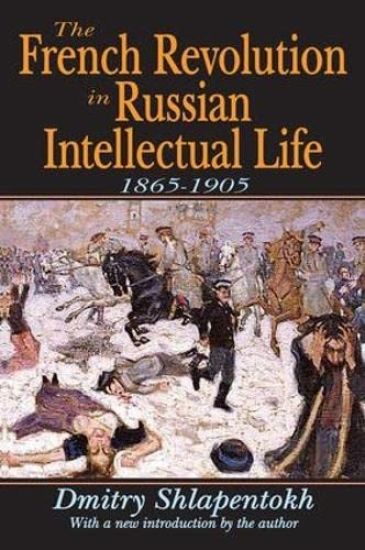
Sandwiched between the East and West, Russian intellectuals have for centuries been divided geographically, politically, and culturally into two distinct groups: the Slavophiles, who rejected Western-style democracy, preferring a more holistic and abstract vision, and the more rational and scientific-minded Westernizers. These two ideologies cut across the political spectrum of late nineteenth-century Russia and competed for dominance in the country's intellectual life. The tension created between these two opposing groups caused the feeling that violent upheaval was Russia's future. In turn, many began to think that Russia was possibly following the path of France and that a French-style revolution might be possible on Russian soil. In The French Revolution in Russian Intellectual Life, Dmitry Shlapentokh describes the role that the French democratic revolution played in Russia's intellectual development by the end of the nineteenth century.The revolutionary upheaval in Russia at the beginning of twentieth century and the continuous expansion of the West convinced most Russian intellectuals that the French Revolution in its democratic reading was indeed the pathway of history. Yet the rise of totalitarian regimes and their expansion proved the validity of the sober vision of nineteenth-century Russian intellectuals. Some conservative Russian intellectuals believed that not only would Russia preserve its authoritarian regime but it would spread this regime all over the world. In this context, Shlapentokh argues the French Revolution with its democratic tradition was only a phenomenon of Western civilization and hence transitory.The flirtation with Western ideology, with its democratic polity and market economy that followed in the wake of the collapse of the communist regime, culminated in an increasing push for corporate authoritarianism and nationalism. This work helps explain why Russia turned away from democratic to autocratic stylesi?1/2economic pulls to capitalism notwithstanding. It has insight which helps to explain why Russia moved towards an authoritarian regime instead of democracy.
Fiscal Crisis of the State refers to the tendency of government expenditures to outpace revenues in the U.S. in the late 1960s and early 1970s, but its relevance to other countries of the period and also in today's global economy is evident. When government expenditure constitutes a larger and larger share of total economy theorists who ignore the impact of the state budget do so at their own (and capitalism's) peril. This volume examines how changes in tax rates and tax structure used to regulate private economic activity. O'Connor theorizes that particular expenditures and programs and the budget as a whole can be understood only in terms of power relationships within the private economy. O'Connor's analysis includes an anatomy of American state capitalism, political power and budgetary control in the United States, social capital expenditures, social expenses of production, financing the budget, and the scope and limits of reform. He shows that the simultaneous growth of monopoly power and the state itself generate an increasingly severe social crisis. State monopolies indirectly determine the state budget by generating needs that the state must satisfy. The state administration organizes production as a result of a series of political decisions. Over time, there is a tendency for what O'Connor calls the social expenses of production to rise, and the state is increasingly compelled to socialize these expenses. The state has three ways to finance increased budgetary outlays: create state enterprises that produce social expenditures; issue debt and borrowing against further tax revenues; raise tax rates and introduce new taxes. None of these mechanisms are satisfactory. Neither the development of state enterprise nor the growth of state debt liberates the state from fiscal concerns. Similarly, tax finance is a form of economic exploitation and thus a problem for class analysis. O'Connor contends that the fiscal crisis of the capitalist state is the inevitable consequence of the structural gap between state expenditures and revenues. The state's only way to ameliorate the fiscal crisis is to accelerate the growth of the social-industrial complex. In his new introduction, O'Connor describes The Fiscal Crisis of the State as "the product of a unique combination of personal, intellectual, and political experiencesa." He goes on to explain the origins of his theory and the consequences of The Fiscal Crisis of the State. He answers the question "is there a fiscal crisis today?" and discusses changes in fiscal policy since the '60s and '70s.
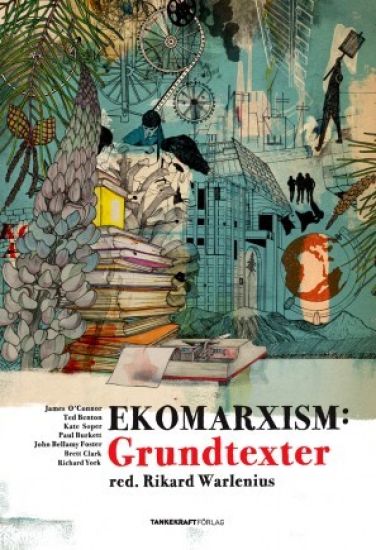
Ekomarxism: Grundtexter
Kate Soper; James O'Connor; Ted Benton; Paul Burkett; John Bellamy Foster; Brett Clark; Richard York
Tankekraft Förlag
2014
nidottu
Under senare år har marxismen berikats med ekologiska tankegods, samtidigt som en bortglömd ekologisk sida hos Marx, Engels och den första generationens marxister har avtäckts. I denna volym publiceras sex av den ekologiska marxismens grundtexter[, skrivna av James O'Connor, Ted Benton, Kate Soper, Paul Burkett, John Bellamy Foster, Brett Clark och Richard York]. De sätts även i ett vidare ideologiskt och politiskt sammanhang i en utförlig introduktion. ”Samtidigt som den ekologiska marxismen delar den radikala miljörörelsens analys av ekonomisk tillväxt som i grunden ohållbar, anser den, till skillnad från exempelvis ekologiska ekonomer, inte att en stillastående eller rent av krympande kapitalistiskt ekonomi är möjlig. Strikt logiskt utmynnar därmed en ekomarxistisk analys i att en hållbar kapitalism är en självmotsägelse.” Ur Rikard Warlenius inledning
Sandwiched between the East and West, Russian intellectuals have for centuries been divided geographically, politically, and culturally into two distinct groups: the Slavophiles, who rejected Western-style democracy, preferring a more holistic and abstract vision, and the more rational and scientific-minded Westernizers. These two ideologies cut across the political spectrum of late nineteenth-century Russia and competed for dominance in the country's intellectual life. The tension created between these two opposing groups caused the feeling that violent upheaval was Russia's future. In turn, many began to think that Russia was possibly following the path of France and that a French-style revolution might be possible on Russian soil. In The French Revolution in Russian Intellectual Life, Dmitry Shlapentokh describes the role that the French democratic revolution played in Russia's intellectual development by the end of the nineteenth century.The revolutionary upheaval in Russia at the beginning of twentieth century and the continuous expansion of the West convinced most Russian intellectuals that the French Revolution in its democratic reading was indeed the pathway of history. Yet the rise of totalitarian regimes and their expansion proved the validity of the sober vision of nineteenth-century Russian intellectuals. Some conservative Russian intellectuals believed that not only would Russia preserve its authoritarian regime but it would spread this regime all over the world. In this context, Shlapentokh argues the French Revolution with its democratic tradition was only a phenomenon of Western civilization and hence transitory.The flirtation with Western ideology, with its democratic polity and market economy that followed in the wake of the collapse of the communist regime, culminated in an increasing push for corporate authoritarianism and nationalism. This work helps explain why Russia turned away from democratic to autocratic stylesi?1/2economic pulls to capitalism notwithstanding. It has insight which helps to explain why Russia moved towards an authoritarian regime instead of democracy.
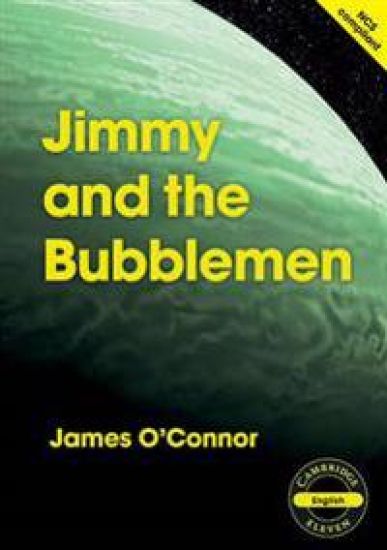
What would have happened if Jimmy had not met the Greenplanet people? Would he have been able to save his mother from Stanley, and his evil plans? Would the school have remained in the iron grip of Mr Snodgrass? Read about the arrival of the Bubblemen and their spacecraft from Greenplanet, and how they bring change for the better, as they tap the hidden power inside Jimmy.
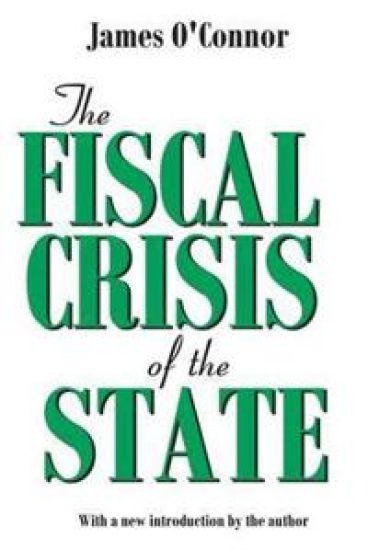
Fiscal Crisis of the State refers to the tendency of government expenditures to outpace revenues in the U.S. in the late 1960s and early 1970s, but its relevance to other countries of the period and also in today's global economy is evident. When government expenditure constitutes a larger and larger share of total economy theorists who ignore the impact of the state budget do so at their own (and capitalism's) peril. This volume examines how changes in tax rates and tax structure used to regulate private economic activity. O'Connor theorizes that particular expenditures and programs and the budget as a whole can be understood only in terms of power relationships within the private economy. O'Connor's analysis includes an anatomy of American state capitalism, political power and budgetary control in the United States, social capital expenditures, social expenses of production, financing the budget, and the scope and limits of reform. He shows that the simultaneous growth of monopoly power and the state itself generate an increasingly severe social crisis. State monopolies indirectly determine the state budget by generating needs that the state must satisfy. The state administration organizes production as a result of a series of political decisions. Over time, there is a tendency for what O'Connor calls the social expenses of production to rise, and the state is increasingly compelled to socialize these expenses. The state has three ways to finance increased budgetary outlays: create state enterprises that produce social expenditures; issue debt and borrowing against further tax revenues; raise tax rates and introduce new taxes. None of these mechanisms are satisfactory. Neither the development of state enterprise nor the growth of state debt liberates the state from fiscal concerns. Similarly, tax finance is a form of economic exploitation and thus a problem for class analysis. O'Connor contends that the fiscal crisis of the capitalist state is the inevitable consequence of the structural gap between state expenditures and revenues. The state's only way to ameliorate the fiscal crisis is to accelerate the growth of the social-industrial complex. In his new introduction, O'Connor describes The Fiscal Crisis of the State as "the product of a unique combination of personal, intellectual, and political experiencesa." He goes on to explain the origins of his theory and the consequences of The Fiscal Crisis of the State. He answers the question "is there a fiscal crisis today?" and discusses changes in fiscal policy since the '60s and '70s.

Economic growth since the Industrial Revolution has been achieved at great cost both to the natural environment and to the autonomy of communities. What can a Marxist perspective contribute to understanding this disturbing legacy, and mitigating its impact on future generations? Renowned social theorist James O'Connor shows how the policies and imperatives of business and government influence--and are influenced by--environmental and social change. Probing the relationship between economy, nature, and society, O'Connor argues that environmental and social crises pose a growing threat to capitalism itself. These illuminating essays and case studies demonstrate the power of ecological Marxist analysis for understanding our diverse environmental and social history, for grounding economic behavior in the real world, and for formulating and evaluating new political strategies.