Kirjojen hintavertailu. Mukana 12 502 991 kirjaa ja 12 kauppaa.

Kirjailija

James Phillips Noble

Kirjat ja teokset yhdessä paikassa: 5 kirjaa, julkaisuja vuosilta 2013-2022, suosituimpien joukossa Reflections on My Journey. Vertaile teosten hintoja ja tarkista saatavuus suomalaisista kirjakaupoista.

5 kirjaa

Kirjojen julkaisuhaarukka 2013-2022.

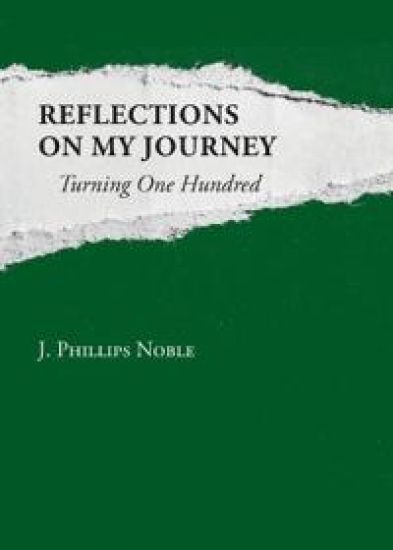
Reflections on My Journey

Reflections on My Journey

James Phillips Noble

UNIVERSITY OF GEORGIA PRESS
2022
nidottu
As he approached his 100th birthday in 2021, the Reverend J. Phillips Noble reflected on his journey from segregated rural Mississippi to being a white progressive pastor in Anniston, Alabama, at the height of the 20th century civil rights movement. In Anniston, where white supremacists famously burned the Freedom Riders' bus in 1961, and committed other violence and intimidation, Noble became a voice of reconciliation and justice. He worked with local leaders, black and white, to move the community past the divisions of Jim Crow segregation. Noble served on the local interracial commission established by the city, and he formed enduring friendships with black ministers. His short reflection on this history and the role he and his family played in it is an affirming declaration of faith and fellowship.

Beyond the Burning Bus

Beyond the Burning Bus

James Phillips Noble; William B. McClain

UNIVERSITY OF GEORGIA PRESS
2013
pokkari
Anniston, Alabama, is a small industrial city between Birmingham and Atlanta. In 1961, the city’s potential for race-related violence was graphically revealed when the Ku Klux Klan firebombed a Freedom Riders bus. In response to that incident, a few black and white leaders in Anniston took a progressive view that desegregation was inevitable and that it was better to unite the community than to divide it. To that end, the city created a biracial Human Relations Council which set about to quietly dismantle Jim Crow segregation laws and customs. This was such a novel notion in George Wallace’s Alabama that President Kennedy phoned with congratulations. The Council did not prevent all disorder in Anniston—there was one death and the usual threats, crossburnings, and a widely publicized beating of two black ministers—yet Anniston was spared much of the civil rights bitterness that raged in other places in the turbulent mid-sixties. Author Phil Noble’s account is carefully researched but told from a personal viewpoint. It shows once again that the civil rights movement was not monolithic either for those who were in it or those who were opposed to it.