Kirjojen hintavertailu. Mukana 12 595 353 kirjaa ja 12 kauppaa.

Kirjailija

James Robert Saunders

Kirjat ja teokset yhdessä paikassa: 5 kirjaa, julkaisuja vuosilta 2002-2017, suosituimpien joukossa The Wayward Preacher in the Literature of African American Women. Vertaile teosten hintoja ja tarkista saatavuus suomalaisista kirjakaupoista.

5 kirjaa

Kirjojen julkaisuhaarukka 2002-2017.

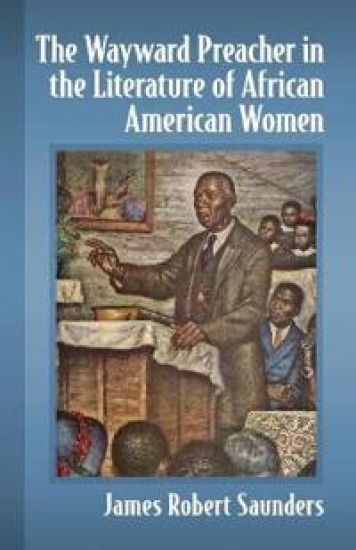
The Wayward Preacher in the Literature of African American Women
In African American culture the preacher has traditionally held many roles: minister of faith, orator, politician, idealist, and most importantly, leader. But the preacher was also traditionally male, and in many ways this advanced the perception that African American women were incapable of questioning the authority of black men. Nella Larsen, Zora Neale Hurston, Paule Marshall, Gloria Naylor, and Terry McMillan wrote of flawed African American preachers, empowering their female characters by exposing the notion of the black preacher as beyond reproach. The writings of these five women warn African American women--and society as a whole--of the power of the religious functionaries who insist that the self must be virtually obliterated in order for salvation to be attained.
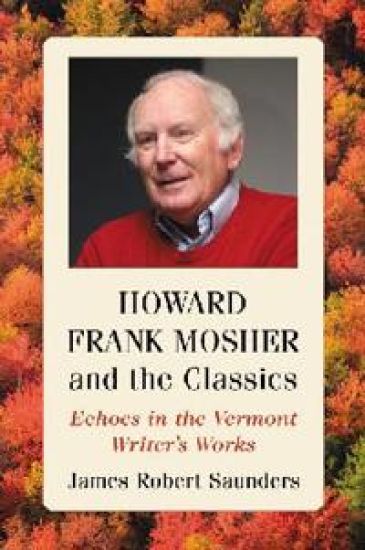
Howard Frank Mosher and the Classics

Howard Frank Mosher and the Classics

James Robert Saunders

McFarland Co Inc
2014
pokkari
Howard Frank Mosher has spent the greater part of his career depicting a relatively isolated section of Vermont known as the Northeast Kingdom. Yet, even as he writes about that particular area in the Green Mountain State, he is investigating age-old themes from among the best English and American literary works. His first novel, Disappearances (1977), signaled the arrival of a master craftsman harkening us back to Melville's Billy Budd and Moby-Dick, in terms of humankind's struggle against an ever present evil. A full 33 years after the publication of his first novel, the Vermont author, in Walking to Gatlinburg (2010), examined the polarity between cowardice and honor. In the intervening years, between Disappearances and Gatlinburg, Mosher explored crucial matters such as the disappearing wilderness, industrialization, black male/white female encounters, the necessity of humor, the quest for salvation, and the immortality of romantic love, all issues that he delved into as he staked out a unique terrain within the pantheon of Bunyan, Shakespeare, Dreiser, Twain, Faulkner, Steinbeck, Harper Lee, and others.
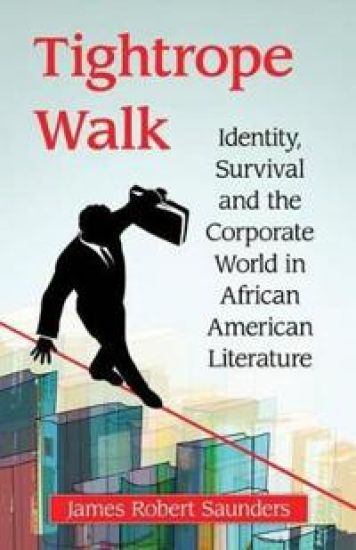
Tightrope Walk

Tightrope Walk

James Robert Saunders

McFarland Co Inc
2014
pokkari
In Bebe Moore Campbell's Brothers and Sisters, Humphrey Boone is offered a seemingly wonderful deal by his job interviewer: "If you accept my offer and do the job that I believe you're capable of, I'll groom you for the presidency." But for a black man, the generous offer involves such factors as being self-effacing, conforming one's speech to "clipped enunciation and perfect diction," and above all stifling any attraction to a white woman. This study examines the works of such writers as Ralph Ellison, Gloria Naylor, Brent Wade, Ishmael Reed, Jill Nelson, and Bebe Moore Campbell in which blacks who work in predominantly white corporations pay a terrible emotional and moral price. Wade and Nelson conclude that such situations have caused many blacks to go quietly insane. Reed draws a rather frightening connection between the corporate and the academic worlds, explaining how the former has come to serve as a model for the latter in recent years. In Ellison's Invisible Man, the young narrator learns of the extent to which Northern corporations control the activities of a Southern black college, and understands that he is invisible "because people refuse to see me."
Urban Renewal and the End of Black Culture in Charlottesville, Virginia

Urban Renewal and the End of Black Culture in Charlottesville, Virginia

James Robert Saunders; Renae Nadine Shackelford

McFarland Co Inc
2005
pokkari
From the 1920s through the 1950s, the center of black social and business life in Charlottesville, Virginia, was the area known as Vinegar Hill. But in 1960, noting the prevalence of aging frame houses and "substandard" conditions such as outdoor toilets, voters decided that Vinegar Hill would be redeveloped. Charlottesville's black residents lost a cultural center, largely because they were deprived of a voice in government. Vinegar Hill's displaced residents discuss the loss of homes and businesses and the impact of the project on black life in Charlottesville. The interviews raise questions about motivations behind urban renewal. Instructors considering this book for use in a course may request an examination copy here.
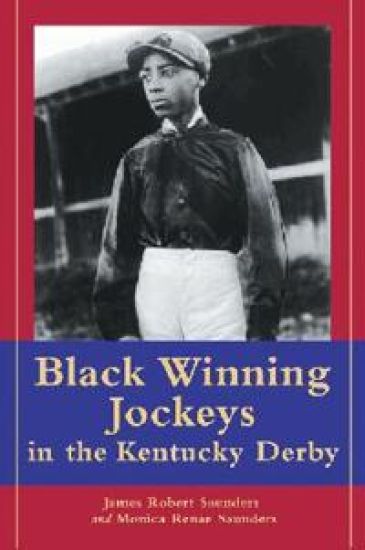
Black Winning Jockeys in the Kentucky Derby

Black Winning Jockeys in the Kentucky Derby

James Robert Saunders; Monica Renae Saunders

McFarland Co Inc
2002
pokkari
This work examines the presence of black jockeys in the Kentucky Derby, from the first instance of slaves working as stable hands and tending their masters' horses to the first black jockey to win the prestigious Kentucky Derby in 1875 and the continued participation of black jockeys in the race.