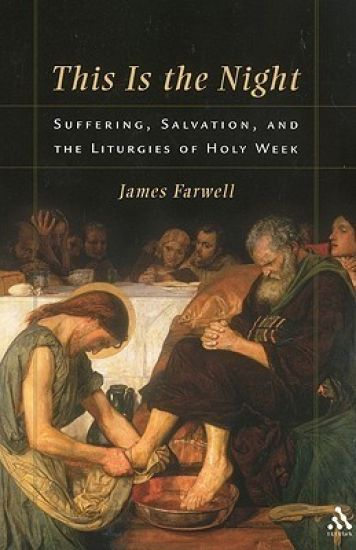
This is the Night is a work of "liturgical theology," understood as a theology inspired or informed by the liturgies of Christian Holy Week. In the context of modernity in crisis, it is an attempt to think with the principal liturgies of the "PaschalTriduum" - Maundy Thursday, Good Friday, and the Great Vigil of Easter - about human suffering. The author works from an analysis of the structure of the Christian paschal liturgies to offer an account of suffering that is more compassionate and honest than that of western modernity. In both the philosophical and the popular imagination, modernity is a context in which "progress" is the defining human telos. Because of this commitment to progress, modernity is often allergic to the concrete pain and horror of suffering. Modernity sidelines suffering as an unfortunate but necessary moment in the course of human progress, not infrequently because it is a byproduct of our "progress" - our technical mastery of nature and leadership of global capitalization. In this context, suffering is more a concept than an existential fact or experience. Yet downplaying human suffering in this way creates even greater suffering, by anesthetizing us to its effect on human beings. Some of the critics of modernity also criticize Christianity as a religious version of the modern myth of progress, or even as its very source. Inspired in part by the political theology of Johann Metz and by the liturgical scholarship of Don Saliers, Robert Taft, and others, the author argues instead that in the liturgies of Holy Week, the passion, death, and resurrection of Christ form a context in which Christians recognize human suffering not as an unfortunate moment on the way to salvation but as the very field of God's saving activity.