Kirjojen hintavertailu. Mukana 12 390 323 kirjaa ja 12 kauppaa.

Kirjailija

Jan Dilling

Kirjat ja teokset yhdessä paikassa: 2 kirjaa, julkaisuja vuodelta 2013, suosituimpien joukossa Tragen und Materialisieren. Vertaile teosten hintoja ja tarkista saatavuus suomalaisista kirjakaupoista.

2 kirjaa

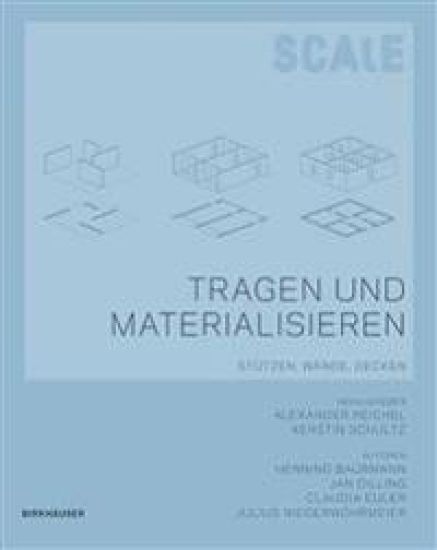
Tragen und Materialisieren

Tragen und Materialisieren

Henning Baurmann; Jan Dilling; Claudia Euler; Julius Niederwöhrmeier

Birkhauser
2013
isokokoinen pokkari
Designing and constructing load-bearing building elements Columns, walls and floors make up the skeleton of nearly every building. This third volume in the series SCALE, Support | Materialise, takes an in-depth look at these load-bearing structures, covering the development and realization of appropriate constructions from idea and design intention all the way to constructional implementation. Following the traditional building methods of massive, cross-wall, and skeleton construction, it points the way toward a material-appropriate constructional approach to these defining structural elements – columns, walls, and floors. Special attention is given to how constructional and technical considerations can be harmonized with spatial and formal commitments. The load-bearing elements are organized, described, and explored in detail from a material as well as a formal and constructional perspective. Their practical implementation is illustrated by a series of international examples.
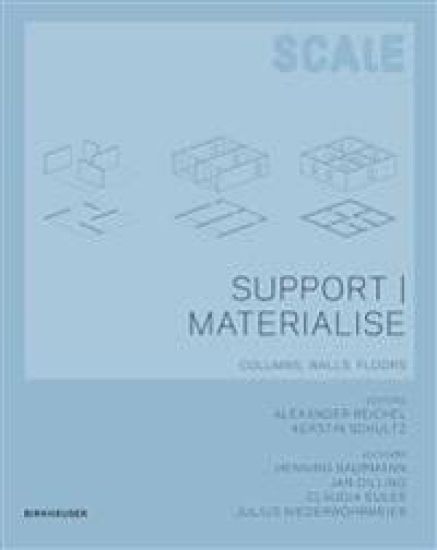
Support I Materialise

Support I Materialise

Henning Baurmann; Jan Dilling; Claudia Euler; Julius Niederwöhrmeier

Birkhauser
2013
isokokoinen pokkari
Designing and constructing load-bearing building elements Columns, walls and floors make up the skeleton of nearly every building. This third volume in the series SCALE, Support | Materialise, takes an in-depth look at these load-bearing structures, covering the development and realization of appropriate constructions from idea and design intention all the way to constructional implementation. Following the traditional building methods of massive, cross-wall, and skeleton construction, it points the way toward a material-appropriate constructional approach to these defining structural elements – columns, walls, and floors. Special attention is given to how constructional and technical considerations can be harmonized with spatial and formal commitments. The load-bearing elements are organized, described, and explored in detail from a material as well as a formal and constructional perspective. Their practical implementation is illustrated by a series of international examples.