

Kirjailija
Jan Rüger
Kirjat ja teokset yhdessä paikassa: 8 kirjaa, julkaisuja vuosilta 2007-2026, suosituimpien joukossa Great Powers. Vertaile teosten hintoja ja tarkista saatavuus suomalaisista kirjakaupoista.
8 kirjaa
Kirjojen julkaisuhaarukka 2007-2026.

A New Naval History brings together the most significant and interdisciplinary approaches to contemporary naval history. The last few decades have witnessed a transformation in how this field is researched and understood and this volume captures the state of a field that continues to develop apace. It examines – through the prism of naval affairs – issues of nationhood and imperialism; the legacy of Nelson; the socio-cultural realities of life in ships and naval bases; and the processes of commemoration, journalism and stage-managed pageantry that plotted the interrelationship of ship and shore. This bold and original publication will be essential for undergraduate and postgraduate students of naval and maritime history. Beyond that, though, it marks an important intervention into wider historiographies that will be read by scholars from across the spectrum of social history, cultural studies and the analysis of national identity.

On 18 April 1947, British forces set off the largest non-nuclear explosion in history. The target was a small island in the North Sea, fifty miles off the German coast, which for generations had stood as a symbol of Anglo-German conflict: Heligoland. A long tradition of rivalry was to come to an end here, in the ruins of Hitler's island fortress. Pressed as to why it was not prepared to give Heligoland back, the British government declared that the island represented everything that was wrong with the Germans: 'If any tradition was worth breaking, and if any sentiment was worth changing, then the German sentiment about Heligoland was such a one'. Drawing on a wide range of archival material, Jan Rüger explores how Britain and Germany have collided and collaborated in this North Sea enclave. For much of the nineteenth century, this was Britain's smallest colony, an inconvenient and notoriously discontented outpost at the edge of Europe. Situated at the fault line between imperial and national histories, the island became a metaphor for Anglo-German rivalry once Germany had acquired it in 1890. Turned into a naval stronghold under the Kaiser and again under Hitler, it was fought over in both world wars. Heavy bombardment by the Allies reduced it to ruins, until the Royal Navy re-took it in May 1945. Returned to West Germany in 1952, it became a showpiece of reconciliation, but one that continues to wear the scars of the twentieth century. Tracing this rich history of contact and conflict from the Napoleonic Wars to the Cold War, Heligoland brings to life a fascinating microcosm of the Anglo-German relationship. For generations this cliff-bound island expressed a German will to bully and battle Britain; and it mirrored a British determination to prevent Germany from establishing hegemony on the Continent. Caught in between were the Heligolanders and those involved with them: spies and smugglers, poets and painters, sailors and soldiers. Far more than just the history of a small island in the North Sea, this is the compelling story of a relationship which has defined modern Europe.

A New Naval History brings together the most significant and interdisciplinary approaches to contemporary naval history. The last few decades have witnessed a transformation in how this field is researched and understood and this volume captures the state of a field that continues to develop apace. It examines – through the prism of naval affairs – issues of nationhood and imperialism; the legacy of Nelson; the socio-cultural realities of life in ships and naval bases; and the processes of commemoration, journalism and stage-managed pageantry that plotted the interrelationship of ship and shore. This bold and original publication will be essential for undergraduate and postgraduate students of naval and maritime history. Beyond that, though, it marks an important intervention into wider historiographies that will be read by scholars from across the spectrum of social history, cultural studies and the analysis of national identity.
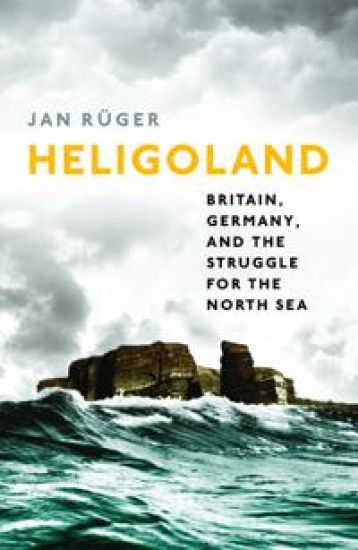
On 18 April 1947, British forces set off the largest non-nuclear explosion in history. The target was a small island in the North Sea, thirty miles off the German coast, which for generations had stood as a symbol of Anglo-German conflict: Heligoland. A long tradition of rivalry was to come to an end here, in the ruins of Hitler's island fortress. Pressed as to why it was not prepared to give Heligoland back, the British government declared that the island represented everything that was wrong with the Germans: 'If any tradition was worth breaking, and if any sentiment was worth changing, then the German sentiment about Heligoland was such a one'. Drawing on a wide range of archival material, Jan Rüger explores how Britain and Germany have collided and collaborated in this North Sea enclave. For much of the nineteenth century, this was Britain's smallest colony, an inconvenient and notoriously discontented outpost at the edge of Europe. Situated at the fault line between imperial and national histories, the island became a metaphor for Anglo-German rivalry once Germany acquired it in 1890. Turned into a naval stronghold under the Kaiser and again under Hitler, it was fought over in both world wars. Heavy bombardment by the Allies reduced it to ruins, until the Royal Navy re-took it in May 1945. Returned to West Germany in 1952, it became a showpiece of reconciliation, but one that continues to bear the scars of the twentieth century. Tracing this rich history of contact and conflict from the Napoleonic Wars to the Cold War, Heligoland brings to life a fascinating microcosm of the Anglo-German relationship. For generations this cliff-bound island expressed a German will to bully and battle Britain; and it mirrored a British determination to prevent Germany from establishing hegemony on the Continent. Caught in between were the Heligolanders and those involved with them: spies and smugglers, poets and painters, sailors and soldiers. Heligoland is the compelling story of a relationship which has defined modern Europe.

Rewriting German History offers striking new insights into key debates about the recent German past. Bringing together cutting-edge research and current discussions, this volume examines developments in the writing of the German past since the Second World War and suggests new directions for scholarship in the twenty-first century.

This book is about the theatre of power and identity that unfolded in and between Britain and Germany in the decades before the First World War. It explores what contemporaries described as the cult of the navy: the many ways in which the navy and the sea were celebrated in the fleet reviews, naval visits and ship launches that were watched by hundreds of thousands of spectators. At once royal rituals and national entertainments, these were events at which tradition, power and claims to the sea were played out between the nations. This was a public stage on which the domestic and the foreign intersected and where the modern mass market of media and consumerism collided with politics and international relations. Conflict and identity were literally acted out between the two countries. By focusing on this dynamic arena, Jan Rüger offers a fascinating new history of the Anglo-German antagonism.
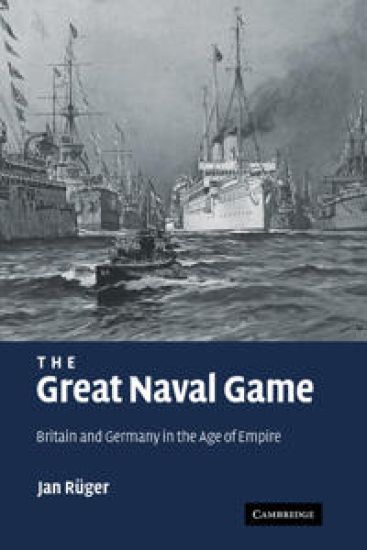
This book is about the theatre of power and identity that unfolded in and between Britain and Germany in the decades before the First World War. It explores what contemporaries described as the cult of the navy: the many ways in which the navy and the sea were celebrated in the fleet reviews, naval visits and ship launches that were watched by hundreds of thousands of spectators. At once royal rituals and national entertainments, these were events at which tradition, power and claims to the sea were played out between the nations. This was a public stage on which the domestic and the foreign intersected and where the modern mass market of media and consumerism collided with politics and international relations. Conflict and identity were literally acted out between the two countries. By focusing on this dynamic arena, Jan Rüger offers a fascinating new history of the Anglo-German antagonism.