

Kirjailija
Jan Selby
Kirjat ja teokset yhdessä paikassa: 4 kirjaa, julkaisuja vuosilta 2003-2024, suosituimpien joukossa Water, Power and Politics in the Middle East. Vertaile teosten hintoja ja tarkista saatavuus suomalaisista kirjakaupoista.
4 kirjaa
Kirjojen julkaisuhaarukka 2003-2024.

Divided Environments
Jan Selby; Gabrielle Daoust; Clemens Hoffmann
Cambridge University Press
2022
sidottu
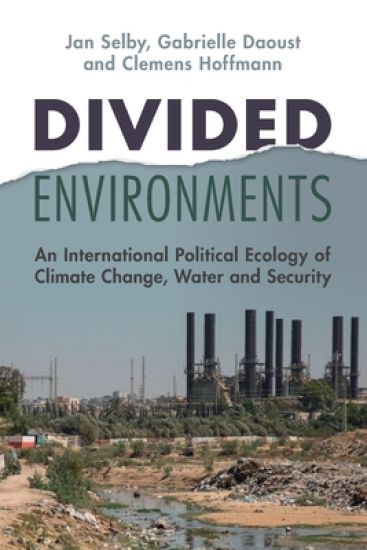
What are the implications of climate change for twenty-first-century conflict and security? Rising temperatures, it is often said, will bring increased drought, more famine, heightened social vulnerability, and large-scale political and violent conflict; indeed, many claim that this future is already with us. Divided Environments, however, shows that this is mistaken. Focusing especially on the links between climate change, water and security, and drawing on detailed evidence from Israel-Palestine, Syria, Sudan and elsewhere, it shows both that mainstream environmental security narratives are misleading, and that the actual security implications of climate change are very different from how they are often imagined. Addressing themes as wide-ranging as the politics of droughts, the contradictions of capitalist development and the role of racism in environmental change, while simultaneously articulating an original 'international political ecology' approach to the study of socio-environmental conflicts, Divided Environments offers a new and important interpretation of our planetary future.
Divided Environments
Jan Selby; Gabrielle Daoust; Clemens Hoffmann
Cambridge University Press
2022
pokkari
What are the implications of climate change for twenty-first-century conflict and security? Rising temperatures, it is often said, will bring increased drought, more famine, heightened social vulnerability, and large-scale political and violent conflict; indeed, many claim that this future is already with us. Divided Environments, however, shows that this is mistaken. Focusing especially on the links between climate change, water and security, and drawing on detailed evidence from Israel-Palestine, Syria, Sudan and elsewhere, it shows both that mainstream environmental security narratives are misleading, and that the actual security implications of climate change are very different from how they are often imagined. Addressing themes as wide-ranging as the politics of droughts, the contradictions of capitalist development and the role of racism in environmental change, while simultaneously articulating an original 'international political ecology' approach to the study of socio-environmental conflicts, Divided Environments offers a new and important interpretation of our planetary future.
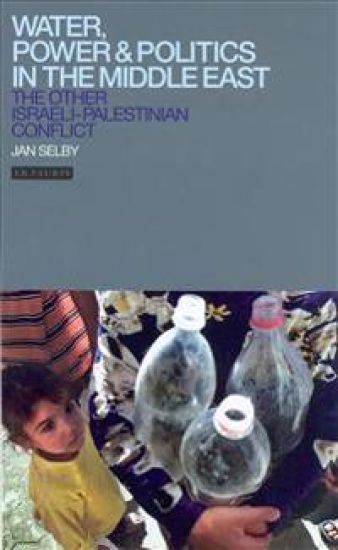
This original analysis of the Middle East water problems highlights questions and issues which have so far only received minimal attention. The author develops a multi-layered account of the nature and causes of the conflict and the Pealestinian water crisis. Each chapter addresses a particular aspect of the Israeli-Palestine water conflict and the author uses these to illustrate both the broader nature of Israeli-Palestinian relations and factors that the existing water literature underplays or simply gets wrong. The book should interest students, scholars and practitioners in a wide range of disciplines including Middle East studies, politics and international relations, water policy, geography, environmental studies and environmental management.